Hey there! You know, sometimes life feels like it’s moving a million miles an hour, right? It can be so overwhelming.
But here’s the thing—we’ve all got that simple tool right within us. Yep, it’s our breath!
Seriously, breathing isn’t just about keeping us alive. It can actually help calm our minds and bring some peace when things get rough.
I mean, think back to those moments when you felt stressed or anxious. Can you remember how just taking a deep breath kind of changed the game? Those little moments of inhaling and exhaling matter a lot more than we realize.
Let’s chat about some breathing techniques that can seriously help you chill out and find your center again. Sound good?
Transform Your Mental Health: Discover Powerful Deep Breathing Techniques for Inner Peace
Breathing—it’s something we all do, but did you know it can totally transform your mental health? Seriously! When you tap into the power of deep breathing techniques, you can find that inner peace that sometimes feels, well, out of reach.
First off, let’s talk about what deep breathing really is. It’s not just taking a big breath in and puffing it out. It’s about slowing down the breath to help calm your mind and body. Basically, when you breathe deeply, you’re sending a signal to your brain that it’s time to chill out. And who doesn’t want that?
You might be wondering how exactly this works. When you take slow, controlled breaths, your body activates the parasympathetic nervous system. This system helps lower your heart rate and blood pressure. Imagine your body as a car; when you breathe deeply, it’s like shifting into neutral after you’ve been revving high in traffic.
Now let’s get into some specific techniques that can help you find that sweet spot of tranquility:
- Diaphragmatic Breathing: This is where you focus on using your diaphragm rather than just your chest for breathing. Place one hand on your chest and the other on your belly. Breathe in through your nose for a count of four—make sure your belly rises while keeping your chest relatively still.
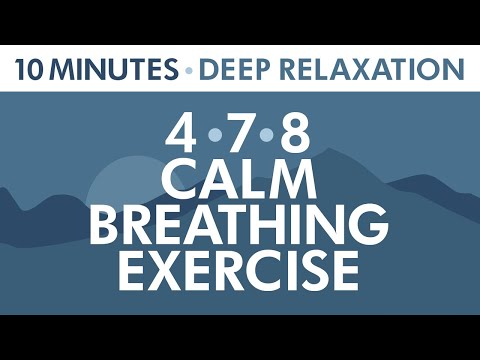
- 4-7-8 Breathing: Here’s a simple one—inhale through your nose for four seconds, hold that breath for seven seconds (yes, seven!), then exhale slowly through the mouth for eight seconds. Do this a few times to feel more grounded.
- Nostril Breathing: This technique involves closing one nostril with a finger while inhaling through the other nostril. Then switch! It helps balance both sides of the brain and can be super calming.
I remember when I first discovered these techniques; I was feeling overwhelmed after a long day at work. My mind was racing, thoughts swirling like leaves in a gusty wind. So I decided to try diaphragmatic breathing right there at my desk. Almost instantly—like magic!—I felt my heartbeat slow down and my mind clear up just a bit.
Just remember: it might take practice before these techniques feel natural or have their full effect. That’s totally okay! Like learning any new skill—you wouldn’t expect to play Mozart on the piano overnight.
If you’re trying to integrate these deep breathing exercises into daily life, set small reminders throughout the day—maybe when you’re waiting for coffee or taking a break at work? You’d be surprised how much those little moments add up!
Lastly, make sure you’re comfortable while practicing these techniques. Whether you’re sitting cross-legged on the floor or lounging back on the couch with some soft music playing in the background—it all counts! You deserve those moments of peace.
In short, if life ever feels chaotic—and let’s be real; sometimes it does—embracing deep breathing practices can seriously help bring clarity and calmness into those hectic moments. Give yourself permission to pause and breathe; it’s one simple way to make mental health feel more manageable and peaceful in this busy world we live in.
Unlock Inner Peace: Top Breathing Techniques for Mental Health on YouTube
Breathing techniques can seriously be game-changers for your mental health, you know? When you’re feeling overwhelmed or anxious, just taking a moment to focus on your breath can help. Seriously, it’s like hitting the reset button on your mind. You might even find that some YouTube channels offer guided breathing exercises that make it super easy to follow along.
1. Diaphragmatic Breathing: This is all about breathing from your belly instead of your chest. You lie down or sit comfortably, place one hand on your chest and the other on your belly. When you breathe in through your nose, aim to inflate your belly while keeping your chest still. It’s crazy how grounding this feels!
2. Box Breathing: Imagine drawing a box with your breath. Inhale for four counts, hold for four counts, exhale for four counts, and then hold again for four counts before starting over. It definitely helps clear the clutter from my mind when I’m feeling anxious.
3. 4-7-8 Technique: This one’s pretty popular too! Inhale through your nose for four seconds, hold that breath for seven seconds, and then exhale slowly through your mouth for eight seconds. Just picture yourself letting go of all that stress with each exhale; it really does make a difference.
4. Alternate Nostril Breathing: This technique is honestly kind of fun! You use one hand to close off one nostril while inhaling through the other, then switch sides when you’re ready to exhale. It’s said to balance both sides of the brain—how cool is that?
Honestly, even if you can’t get into yoga or meditation yet (we’ve all been there), these techniques can fit easily into even the busiest schedules. Just a few minutes here and there can create space for inner peace.
You might find some great videos on YouTube where instructors guide you through these methods step by step. The soothing voices paired with calming visuals can really enhance the experience—like being in a mini retreat without leaving home.
So next time you’re feeling stressed or just need a moment to gather yourself, remember there’s power in those breaths! And who knows? One little practice could lead you toward more moments of calm throughout the day.
Is 4-7-8 Breathing Safe? Understanding the Risks and Benefits for Mental Health
4-7-8 breathing has been getting a lot of buzz lately. You might’ve heard about it as a quick way to chill out or even help with sleep. But you’re probably wondering, is it actually safe? Let’s break it down.
This technique, developed by Dr. Andrew Weil, involves inhaling for 4 seconds, holding your breath for 7 seconds, and exhaling for 8 seconds. Sounds simple enough, right? The idea behind it is to slow your heart rate and calm your mind by focusing on your breathing.
But here’s the thing: while many find this technique really helpful, it may not be for everyone. Some people might feel a bit dizzy or lightheaded if they hold their breath too long or struggle with the timing. If you have any pre-existing conditions like asthma or anxiety disorders, it’s wise to approach this cautiously.
There are definitely benefits that come with practicing 4-7-8 breathing. It can help lower stress levels and promote relaxation. Many folks report feeling more grounded and less anxious after giving it a try. And hey, if you’re having trouble sleeping? This method might just do the trick—lots of people swear by it!
However, not every practice is universally safe. For example:
- If you have a respiratory condition like COPD or severe asthma, the holding and extended exhalation could cause discomfort.
- People prone to anxiety might initially feel more anxious when trying something new like this.
- It’s worth mentioning that anyone with cardiovascular issues should consult their healthcare provider before starting.
It’s super important to listen to your body while practicing this technique. If you start feeling uncomfortable—like really lightheaded—or if your heart races too much, you should stop immediately.
And here’s a real-life example: my friend Sarah tried 4-7-8 breathing on the advice of her therapist during stressful workdays. At first, she felt incredible peace after each session! But one day she pushed herself too hard while trying to hold her breath longer than usual and ended up feeling dizzy. She learned that moderation is key!
In summary, 4-7-8 breathing can be an awesome tool for many folks looking to improve their mental health and find some inner peace. Just keep an eye on how you’re feeling when using it! If you’re unsure whether it’s safe for you personally—especially considering any health conditions—definitely check in with a healthcare provider first.
So go ahead; give it a shot but make sure you take care of yourself along the way!
You know, breathing seems like something we do automatically—just a basic human function. But when you really stop and think about it, it’s a lot more than that. Like, have you ever noticed how your breath changes when you’re stressed? It gets shallow and quick, right? Suddenly, you’re not just feeling anxious; you’re also making your body act that way. Crazy, huh?
I remember this one time when I was wrapped up in my own head. It was one of those days where everything felt heavy, and I was spiraling a bit. I sat down for a few minutes and tried some deep breathing exercises. I took a long inhale through my nose, held it for a sec, and then slowly exhaled. It’s wild how just focusing on my breath let me hit pause on all the noise. In those moments, it felt like I was hitting reset—like the world around me faded away just enough for me to find some calm amid the chaos.
Breathing techniques are all about reconnecting with yourself. They help slow down that racing mind and bring your attention back to the here and now. Whether it’s simple deep breaths or something more structured like alternate nostril breathing (which sounds fancy but is really just a neat way to balance out your energy), these methods can help reduce anxiety and boost your mood.
And let’s be real—sometimes just taking five minutes to breathe can feel like an act of self-care in itself. You’re giving yourself permission to pause, to notice what you’re feeling without getting swept up in it all.
There’s actually science behind this too! When you practice controlled breathing, you’re basically sending signals to your brain that it’s okay to chill out a little bit. It’s like telling yourself “Hey buddy! It’s cool; no need to panic.” Your body responds by lowering heart rates and reducing cortisol levels—the stress hormone.
So next time life feels overwhelming or you’re caught in emotional turbulence, maybe consider taking some time for those sweet breaths of yours. It sounds simple—and it is! But sometimes the simplest things turn out to be the most powerful tools for mental health and inner peace.
At the end of the day, feeling grounded starts with recognizing how we breathe—and that’s something we all have the power to change whenever we need it.