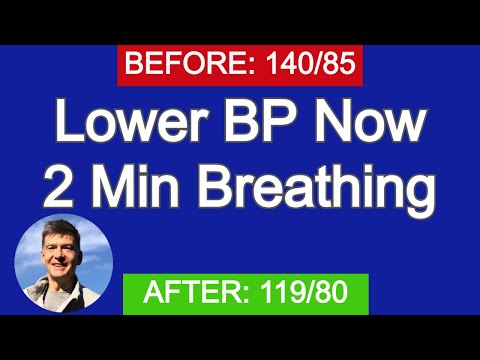
Hey! You know how life can get a bit overwhelming sometimes? Like, stress is just lurking around every corner, and on top of that, high blood pressure can feel like this annoying extra weight.
Well, I totally get it. Between work, family stuff, and all those tiny (or big) worries, it’s easy to feel like you’re about to explode. But what if I told you that just focusing on your breath could really help chill things out?
Seriously! Breathing isn’t just for yoga class or when you’re trying not to freak out in a meeting. It’s a simple tool right at your fingertips. Let’s explore some breathing techniques that might help you manage those pesky pressures of life both in your mind and body. Ready to breathe a little easier?
Effective Breathing Techniques to Lower Blood Pressure Naturally
So, you might be wondering how something as simple as breathing can actually help with something serious like high blood pressure. Well, it turns out that when you breathe right, you’re not just filling your lungs with air—you’re really sending a message to your body to chill out. This lowers stress and can help manage your blood pressure naturally.
Breathing techniques focus on how you inhale and exhale. A lot of folks don’t realize that the way we breathe can impact our whole system. Stress often causes us to take short, quick breaths that keep us in that fight-or-flight mode. By learning to breathe deeply and slowly, we can send signals to our body saying, “Hey, relax.”
- Diaphragmatic Breathing: This is a biggie! Picture this: instead of just expanding your chest when you breathe, try pushing your belly out. Lie down or sit comfortably. Take a deep breath through your nose for about four counts—let that belly rise! Then hold it for a second and exhale slowly through pursed lips for six counts. Doing this for just five minutes a day can be a game-changer.
- 4-7-8 Breathing: This technique is super easy to remember. Breathe in through your nose for 4 counts, hold it for 7 counts (yeah, that’s the tough part!), then exhale through your mouth for 8 counts. You might feel silly at first—like you’re doing some sort of yoga chant—but after a few rounds, you’ll feel calmer and more grounded.
- Nasal Breathing: Sounds basic but hear me out! Nasal breathing helps filter the air entering your body and slows down your breath rate naturally. Try inhaling slowly through your nose while counting to five, then exhaling through the same nostrils on a count of five or six. It’s like giving your lungs an upgrade!
You know what’s cool? When I first started using these techniques in my daily routine, I noticed how much calmer I felt even during stressful moments—like when I was stuck in traffic or when deadlines were looming over my head.
If you’re serious about managing blood pressure or stress levels with these breathing exercises, consider setting aside some time each day just to practice them—maybe first thing in the morning or right before bed. Consistency is key! And don’t worry if it feels weird at first; practice makes perfect.
Incorporating breathing techniques into your life isn’t some magic solution but more like adding tools to handle stress better—it’s totally doable! Remember that slow and steady wins the race here.
Effective Strategies to Ease Anxiety During Blood Pressure Checks
You know that feeling when you’re about to get your blood pressure checked? Yeah, it can be a bit nerve-wracking. Your heart races, maybe you sweat a little, and suddenly, that cuff feels tighter than ever. Seriously, anxiety during these checks is super common. So let’s talk about some effective strategies to help ease those nerves.
First off, breathing techniques can work wonders. They help calm your mind and body, which is what you need when the pressure’s on—literally!
- Deep Breathing: Take a moment to breathe deeply before the check. Inhale through your nose for four counts, hold for four counts, and exhale through your mouth for six counts. You follow me? This slows your heart rate and lowers anxiety.
- Box Breathing: Think of it like a square. Inhale for four counts, hold for four counts, exhale for four counts, and then hold again for four counts. Repeat this a few times. It’s grounding—you’ll feel like you have control.
Then there’s visualization. Picture yourself in a calm place—a beach or maybe on top of a mountain overlooking the view. Close your eyes and really immerse yourself in that scene while waiting for the check to start.
Another great strategy? Progressive Muscle Relaxation. This one can feel a bit silly at first but give it a shot! Tense up each muscle group starting from your toes up to your head. Hold the tension for five seconds then let go completely—it’s like releasing all that built-up stress.
And don’t forget about talking to yourself positively. Seriously! Instead of letting negative thoughts swirl around like crazy in your head, try affirmations. Tell yourself things like “I’m okay” or “I’ve got this.” You might feel kind of goofy at first but it really helps shift your mindset.
Lastly, prepping ahead of time can take some weight off those shoulders too. Make sure to know what’s coming—like how the process works or what the equipment looks like—so nothing catches you off guard.
So next time you’re sitting there with that cuff on your arm feeling anxious, just breathe and remember: These strategies are right there with you! You might even surprise yourself with how much easier it gets over time.
Effective Strategies to Manage High Blood Pressure Linked to Stress
Managing high blood pressure, especially when it’s linked to stress, can feel overwhelming. But don’t worry, there are ways to take control of it. You know how life can get hectic? Your blood pressure might spike when you’re stressed out about work, family issues, or just the craziness of everyday life. Let’s break down some effective strategies that might help you keep that pressure in check.
Breathing Techniques are a great place to start. Just taking a few moments to breathe deeply can actually make a big difference. You’ll want to practice this at least once a day:
Repeat this for about five minutes. Seriously, it sounds simple, but it works wonders! You might find yourself feeling way more relaxed.
Another handy technique is Progressive Muscle Relaxation. This is super cool because it gets you to focus on different muscle groups in your body:
This method not only reduces tension but also helps you recognize where you hold stress in your body.
Don’t forget about Mindfulness Meditation. It’s all about being present and aware without judgment. Try this:
This practice trains you to respond more calmly instead of freaking out when stress hits.
Another biggie is Regular Physical Activity. Exercise isn’t just good for the heart; it’s great for the mind too. Think of fun ways to get moving—whether it’s dancing around in your living room or going for walks in nature:
Oh, and don’t forget about Adequate Sleep. Sleep really affects everything—your mood, energy levels, and yes, blood pressure too! Try creating a bedtime routine where you wind down with calming activities like reading or gentle stretching.
And hey, if you’re feeling overwhelmed by stress or if these strategies aren’t enough, don’t hesitate to reach out for help from a professional. Therapy can provide you with more tools tailored specifically for what you’re dealing with.
So remember: managing blood pressure linked to stress doesn’t have to feel like an uphill battle. Small changes can lead toward big improvements over time!
Breathing techniques can really be a game changer, you know? I remember this one time when I was super stressed out about a big presentation at work. My heart was racing, and it felt like the walls were closing in on me. A friend suggested some breathing exercises. Honestly, I was skeptical at first. But I thought, what’s the harm in trying?
So, I took a deep breath, held it for a count of four, then slowly exhaled like deflating a balloon. It felt weird at first—almost too simple or something. But after just a few rounds of this simple practice, things started to shift. My body relaxed a bit, and my thoughts became clearer.
You see, when you’re feeling overwhelmed or anxious—like when your blood pressure’s spiking—your body goes into this fight-or-flight mode. It’s basically your brain saying “Run for your life!” even if you’re just sitting at your desk stressing over deadlines. Breathing techniques help flip that switch back to calm.
One popular method is diaphragmatic breathing or belly breathing. It’s like using your stomach instead of your chest to breathe. When you do this, you can take deeper breaths that actually deliver more oxygen to your system. It calms your nervous system and can lower those pesky stress hormones.
And it’s not just about relaxation; there’s some evidence suggesting these techniques might help with high blood pressure too! Like if you can bring down your stress levels through controlled breathing, it could have an impact on how your heart and blood vessels function.
But honestly? The biggest benefit is how accessible these techniques are. You don’t need fancy equipment or even a lot of time—just pause for a sec wherever you’re at, breathe in deeply through the nose… hold… then let it all go through the mouth. Seriously, give yourself two minutes; it might just become one of those little rituals in your day.
Sometimes all it takes is being more mindful about how we breathe to bring our bodies back into balance amidst the chaos we face every day. So next time stress hits hard or you feel that blood pressure creeping up? Just remember: Deep breaths can be way more powerful than they seem!