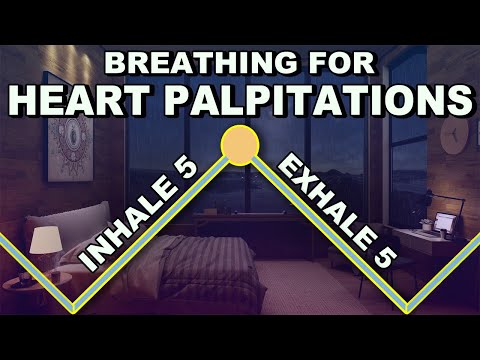
You know those moments when your heart starts racing out of nowhere? It’s a bit freaky, huh? Like, you could be chilling on the couch, and suddenly you feel like you just ran a marathon.
Palpitations can hit hard. And then there’s that anxiety swirling around. Seriously, it’s no fun. But here’s the thing: breathing techniques can really help calm things down.
Just think about it. What if something as simple as your breath could pull you back from that edge? Sounds pretty cool, right?
So, let’s chat about some easy ways to use your breath to ease those racing hearts and anxious minds. You in?
Effective Strategies to Overcome Anxiety and Heart Palpitations Naturally
Anxiety can be a major buzzkill, right? You know the feeling—your heart starts racing out of nowhere, and suddenly you’re feeling all jittery. It’s like your body is throwing a mini party while your mind just wants some peace. Luckily, there are effective strategies to help you chill out naturally. Let’s get into some breathing techniques that can really make a difference.
First things first: let’s talk about why our hearts do that little dance when we’re anxious. Basically, when you’re stressed or anxious, your body goes into fight-or-flight mode. This triggers adrenaline release, making your heart race and leaving you feeling shaky. But guess what? You can take the reins back with simple breathing exercises.
- Deep Breathing: This one’s a classic for good reason! Try inhaling deeply through your nose for a count of four, holding for four seconds, and then exhaling slowly through your mouth for another count of four. Repeat this for several minutes. It helps slow down your heart rate and brings in more oxygen.
- Box Breathing: Picture a box in your mind—you’re going to breathe in and out along its edges. Inhale for four counts, hold for four counts, exhale for four counts, and hold again for another four counts before starting over. It’s super grounding!
- Pursed Lip Breathing: This one’s pretty simple but effective! Breathe in through your nose and then purse your lips like you’re about to whistle as you slowly exhale through them. This technique slows down your breathing and gives your body more time to calm down.
Try these techniques when those palpitations hit or even just when you’re feeling anxious throughout the day—like before a big meeting or during that endless wait at the DMV! You might feel silly at first but give it time; it really works.
If you want to amp up the relaxation game even more, consider coupling these breathing exercises with other calming activities like yoga or meditation. Now, I know yoga might sound intimidating if you’re not into it—but even just stretching while focusing on your breath can bring some sweet relief.
You should also pay attention to what’s happening around you—things like caffeine intake or how well you’re sleeping can seriously affect anxiety levels too. Cutting back on that extra cup of coffee or ensuring you get enough rest can keep those palpitations at bay.
The thing is: everyone has their unique triggers and responses to anxiety. So don’t be discouraged if one technique doesn’t work right away; keep experimenting until you find what fits best with *you*. Seriously though—it can feel frustrating sometimes, but remember that progress isn’t always linear.
Your journey towards managing anxiety is just that—a journey! Be patient with yourself as you’re figuring things out step by step. The key lies in finding those natural strategies that resonate most with how *you* feel inside.
Effective Exercises to Alleviate Palpitations and Improve Heart Health
Feeling your heart race out of nowhere? That can be seriously unsettling. But there are some effective exercises and breathing techniques that can help calm those palpitations and improve your overall heart health. Here’s what you need to know.
First up, let’s talk about deep breathing. This isn’t as simple as just taking a big breath in and letting it out. It’s all about being intentional with your breathing to signal your body to chill out. One popular method is called the 4-7-8 technique.
- Breathe in through your nose for 4 seconds.
- Hold that breath for 7 seconds.
- Breathe out slowly through your mouth, making a whoosh sound for 8 seconds.
You might feel a bit silly at first—like, do I really have to count?—but give it a shot! This can help lower anxiety and ease those racing heartbeats. Also, try doing this for a few minutes whenever you feel panicky. You might even notice you start feeling more grounded.
An anecdote here: I once had this friend who’d get palpitations before big presentations. So, she started using the 4-7-8 technique right before going on stage. After a week or so, she told me how much calmer she felt—not only during practice but also on the actual day!
Next, consider trying guided imagery or visualization techniques. This type of exercise involves picturing a peaceful scene—a sunny beach or a quiet forest—and focusing on how it makes you feel calm. Basically, you’re training your mind to switch focus away from whatever stressor is triggering those palpitations.
- Sit in a comfortable position and close your eyes.
- Breathe deeply as you picture that calming scene in vivid detail.
The goal here is to distract yourself from what’s going on inside while simultaneously reducing any feelings of anxiety. Seriously effective stuff!
You can also explore other physical exercises like aerobic workouts. Think walking, jogging, or dancing—anything that gets your heart rate up but also allows you to control that pace. Regular aerobic activity strengthens your heart over time and helps manage stress levels too.
- Aim for at least 150 minutes of moderate exercise each week, like brisk walking or cycling.
- If you’re feeling adventurous, try high-intensity interval training (HIIT) styles where you alternate between high-effort bursts and rest periods.
This doesn’t just improve heart health; it helps regulate adrenaline levels that sometimes contribute to those pesky palpitations when you’re anxious.
If you’re looking for something more centered around relaxation though, give yoga or tai chi a try! Both promote deep breathing and mindfulness while allowing you to move gently through postures that ease tension in the body and calm racing thoughts.
- Your focus remains on the breath and movements instead of what’s causing anxiety—super helpful!
- The gentle stretching feels amazing too.
Your emotional state plays a huge role when it comes to heart health and palpitations. So be kind to yourself! The more aware you are of how you’re feeling physically and emotionally, the better equipped you’ll be at managing those moments when things start racing again.
Your heart’s got rhythms; it’s just about finding yours! So practice these exercises regularly—that’s key—and take note of how they make you feel over time. You’ve got this!
Effective Strategies to Manage GERD-Related Palpitations: Tips for Relief and Wellness
Managing GERD-related palpitations can be, well, a bit tricky. If you’ve ever felt your heart race after a meal or while lying down, you know what I mean. It’s not just about that annoying chest tightness but also the anxiety that can creep in. So, let’s take a look at some effective strategies to help you find relief.
First up is breathing techniques. Seriously, simple deep breathing can work wonders. When you feel those palpitations kicking in, try this: inhale slowly through your nose for a count of four, hold for four, and then exhale through your mouth for another count of four. Repeat this several times. It calms your nervous system and helps reduce anxiety—two birds with one stone!
You might want to pay attention to dietary choices as well. GERD often flares up with spicy foods, caffeine, and acidic beverages like coffee or soda. Keeping a food diary can pinpoint what triggers your symptoms. But here’s the thing: it’s not just about avoiding the bad stuff; incorporating soothing foods like oatmeal or bananas can also help keep things calm inside.
And let’s talk about posture. It may sound silly, but how you sit or lay down matters big time! Avoid lying flat right after eating; instead, prop yourself up with pillows or try staying upright for at least two to three hours after meals. This little tweak helps prevent stomach acid from creeping back up and causing chaos.
When life feels overwhelming and those palpitations start adding stress to your day-to-day—a good routine might do the trick. Establishing regular meals at consistent times keeps your digestive system in check. Pair that with some gentle exercises like walking or yoga to keep your body relaxed and healthy.
Another nifty tip? Meditation. Just taking ten minutes daily to focus on quieting your mind can significantly lower stress levels which reduces palpitations linked to anxiety too! You could try guided meditation apps if sitting in silence isn’t your jam.
Finally, don’t underestimate the power of talking things out with someone who gets it—like a therapist or support group for GERD and anxiety management. Sometimes sharing experiences helps clear mental clutter and emits those pesky worries out into the open where they don’t seem quite so heavy anymore.
So yeah, managing GERD-related palpitations isn’t always easy but using these strategies can bring some relief while helping you feel more balanced overall! You deserve to enjoy life without that racing heartbeat stealing the show!
Okay, so let’s chat about breathing techniques for easing those racing hearts and that pesky anxiety. I mean, we’ve all had moments when our hearts felt like they were doing a marathon, right? Picture this: you’re sitting in a meeting, and suddenly your chest tightens. Heart pounding away like it’s trying to break free. You know the feeling? It’s super uncomfortable.
Breathing can be such a game-changer in those moments. Seriously, just taking a few deep breaths can help to ground you. You inhale through your nose slowly, hold it for a sec—just let everything settle—and then exhale through your mouth, like you’re blowing out candles on a cake that’s way too big to finish alone. Kind of silly, but it works!
When you’re anxious, your body goes into overdrive, thinking it’s prepared for some imaginary threat. So what happens is you start breathing faster and more shallowly. That spike in heart rate? Totally related! But here’s where the magic happens: focusing on your breath can tell your body “Hey, chill out!” It activates that fancy parasympathetic system of yours—the one that helps calm everything down.
Let me tell you about my friend Jane. She used to struggle with anxiety during exams. The night before would have her heart pounding like crazy. One day she decided to try some simple breathing exercises before her big test instead of cramming all night long for hours on end. She was skeptical at first—like who wouldn’t be?—but she gave it a shot anyway.
So there she was in the bathroom stall (you know how stressful school can be!), practicing her breathing techniques. Inhale deeply… hold… exhale… And guess what? By the time she walked into that exam room, she felt surprisingly calm! Sure enough, Jane aced her test without all the pre-test jitters weighing her down.
You see? It’s amazing how something as simple as our breath can help us pull back from the edge when anxiety starts creeping in or when those heart palpitations kick up a notch. Next time you feel that familiar thumping or racing pulse—just breathe! You might surprise yourself with how much control you actually have over those feelings. Plus, it’s good practice to remind yourself: you’re not alone in this battle against anxiety; we’ve all got our own techniques to find peace amidst chaos!