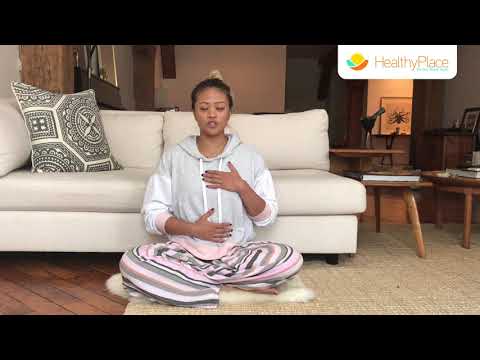
Hey, so let’s chat about something that’s been on my mind lately—anxiety and depression. They’re a couple of those pesky emotions that can really weigh us down, right? Seriously, some days feel like you’re wading through mud.
But here’s the thing: breathing techniques can actually help! Yep, just that simple act of breathing. It sounds a bit cliché, I know. But trust me, they can be total game changers.
Imagine being able to pause for a moment and just breathe when things get heavy. Sounds nice, doesn’t it? So let’s explore this together and find some ways to help you feel lighter and more centered. You with me?
Exploring the Connection: Can Tylenol Alleviate Anxiety Symptoms?
So, let’s chat about this interesting idea: can Tylenol, you know, that common pain reliever, actually help with anxiety symptoms? It might sound a bit out there at first. I mean, most of us think of Tylenol as something for headaches or even fevers. But recent research has been digging into this connection more.
First off, it’s important to know that anxiety is often tied to emotional and physical discomfort. You may feel tension in your body, your heart races, and, seriously, it can be a rollercoaster ride. Now here’s the twist—some studies suggest that **acetaminophen**, the active ingredient in Tylenol, might help with those emotional pains too.
- Research Findings: Some studies have shown that acetaminophen can reduce social anxiety. In one study where participants took acetaminophen before social tasks, they reported feeling less anxious compared to those who didn’t take anything. It was like taking the edge off for them.
- Inflammation Link: There’s this theory that connects inflammation to mental health issues including anxiety. If you think about stress as a physical response—a fight or flight kind of deal—your body could be reacting by inflaming certain areas. Acetaminophen can help reduce inflammation, which might indirectly ease anxiety symptoms.
- Not a Cure-All: Here’s the thing though—you shouldn’t rely solely on Tylenol for your anxiety. It’s not designed for that purpose! While some people might find temporary relief through its use, it doesn’t address the root causes of anxiety disorders like therapy or medication would.
Now let’s take a moment to imagine someone named Sarah. She’s always been anxious in social situations; even small gatherings make her feel overwhelmed. After hearing about acetaminophen’s potential benefits, she decided to give it a shot before an upcoming party. To her surprise, she felt less jittery and more relaxed during conversations! But afterward, she realized that while it helped somewhat in the moment—she still needed her therapy sessions to work through deeper issues.
Another angle is breathing techniques—like you mentioned earlier—that are often used alongside other treatments to help manage anxiety better. These techniques can be super effective because they focus on calming the body down when your mind is racing.
In summary, while there seems to be some connection between **Tylenol** and alleviating certain anxiety symptoms due to its effects on inflammation and emotional discomfort—that doesn’t mean it’s a standalone solution. If you’re struggling with anxiety overall or looking for real relief strategies? That’s where working with professionals comes into play! So let me know if there are other aspects of mental health you’re curious about!
7 Effective Strategies to Break the Cycle of Anxiety and Depression
Anxiety and depression can feel like a heavy fog you just can’t shake off. It’s like, one minute you’re okay, and the next, you’re stuck in this swirling mess of thoughts and feelings. But hey, there are ways to break that cycle! Let’s talk about some effective strategies you can use, focusing especially on breathing techniques.
1. Deep Breathing
This is one of the most straightforward methods out there. Sit or lie down comfortably. Inhale deeply through your nose for about four seconds. Hold it for four seconds, then exhale slowly through your mouth for six seconds. Sounds easy, right? But seriously, it helps calm your mind by sending oxygen to your brain.
2. Progressive Muscle Relaxation
Here’s where breathing meets muscle action. While taking a deep breath in, tense a specific muscle group—maybe your fists or shoulders. Then, when you breathe out, release that tension completely. It’s amazing how physically releasing tension can also lighten that mental load.
3. 4-7-8 Breathing
Okay, this one has a quirky name but trust me; it’s super effective! Inhale for four seconds, hold for seven seconds (yup, that feels long), and then exhale slowly for eight seconds. Doing this not only slows down your heart rate but also interrupts anxious thoughts by focusing purely on your breath.
4. Box Breathing
Picture a box while you breathe—literally! Inhale for four counts (one side), hold for four counts (the next side), exhale for four counts (the third side), and then hold again for another four counts (the last side). It’s like painting a square with your breath! This technique is often used by athletes and even military personnel to center themselves.
5. Mindful Breathing
This gets into the whole mindfulness thing—so important! Simply focus on your breath as it flows in and out of your body. Notice how it feels in your nose as you inhale or how your chest rises and falls with each breath. When distractions pop up—and they will—just gently bring yourself back to focusing on those breaths.
6. Visualization with Breath Work
Imagine breathing in positive energy and exhaling negativity or stress—it’s like cleaning out the junk from inside you! Close your eyes if it helps; visualize light entering while inhaling and darkness leaving while exhaling.
7. Daily Practice
None of these techniques will be magic wands overnight—you’ve gotta practice them regularly! Just set aside a few minutes each day to do any of these breathing exercises; consistency makes all the difference in managing anxiety or depression over time.
Incorporating these strategies into your routine could really help ease those feelings of anxiety or depression over time—you just have to give them a shot! Remember that everyone’s journey is different; what resonates with one person might not vibe with another, so feel free to mix things up until something clicks for you!
Understanding the 3-3-3 Rule for Anxiety: A Simple Guide to Managing Your Stress
The 3-3-3 rule is a super handy trick for those moments when anxiety feels a bit overwhelming. It’s like a quick reset button for your brain. Here’s how it works—you pay attention to your surroundings and engage with them, grounding yourself in the present.
Basically, you look around and notice three things you can see. It could be anything—like that cozy couch, the cat snoozing in the corner, or even that funky poster on the wall. This helps distract your mind from those racing thoughts.
Next, you focus on three things you can hear. Maybe it’s the sound of traffic outside, birds chirping, or even the hum of your fridge. Listening closely helps pull you away from worries.
And finally, think about three things you can touch. It could be the texture of your shirt, the coolness of a glass of water in your hand, or perhaps the soft fuzz of your favorite blanket. Feeling something physical brings attention back to your body.
So why does this technique work? Well, it distracts you from panic and gets you focused on reality instead. When I first tried this during an anxiety attack at a crowded event—ugh, I could feel my heart racing!—it really helped me calm down. I started with three things I saw: a friendly face across the room, colorful decorations around me, and my phone on my lap. Then came sounds: laughter nearby, music playing softly, and conversations buzzing in my ears. Finally, I touched my chair’s armrest—it felt solid and safe under my fingertips.
Sometimes just remembering to breathe while doing this can help too! Inhale deeply as you count through those three steps; it gets oxygen flowing and sort of resets your nervous system.
Try using this trick whenever life feels chaotic or if anxiety starts creeping in again. It’s simple but really effective! The more you practice it, the easier it gets to pull out when needed. Give it a shot!
Breathing techniques can feel a bit like magic, right? I mean, one minute you’re feeling all knotted up inside, and the next, you’re breathing your way back to some sense of calm. It’s crazy how something so simple can have such a powerful effect.
I remember this one time when my friend Jamie was having a rough patch. She kept saying she felt like she was carrying the weight of the world on her shoulders—anxiety and depression were knocking at her door. One evening, I suggested we try some deep breathing exercises together. At first, she was skeptical—who wouldn’t be? But I convinced her to give it a shot.
We sat cross-legged on her living room floor and started with just a simple inhale through the nose, then slowly exhaling through the mouth. It sounds elementary but hear me out: as we breathed in deeply, our bellies expanded like balloons. When we let it all out slowly, it was like releasing all these pent-up worries into the air. Jamie’s shoulders dropped a little; I could see it happening right before my eyes.
What’s interesting about these breathing exercises is that they not only help your body get more oxygen but also send signals to your brain that chill us out. When you’re stressed or anxious, your body’s all hyped up—a little too revved up for comfort—and deep breathing helps flip that switch back to calm mode.
Now don’t get me wrong; this isn’t a cure-all for anxiety or depression. Sometimes those feelings are heavier than anything you can shake off just by taking a few breaths. But when you’re feeling overwhelmed—even if just slightly—practicing these techniques can be relief in moments that feel too intense.
You know, it’s about finding those small moments where you can reconnect with yourself and remind yourself that it’s okay to breathe through things. So next time life gets crazy and feels unmanageable? Just pause for a moment, take a few deep breaths…you might find it can make even the hardest days just a little bit easier to bear.