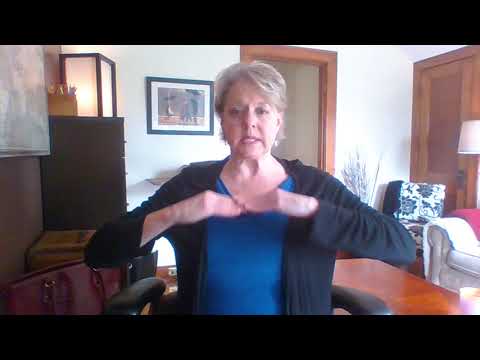
Hey, have you ever felt that tightness in your chest, like you just can’t catch a break with your breath? It’s such a frustrating feeling, right?
If you or someone you know is dealing with emphysema, that struggle can be even tougher. Breathing shouldn’t feel like a chore, but sometimes it does.
But guess what? There are some pretty cool breathing techniques that can actually help. Not just for your lungs, but for your whole mental health vibe too!
Imagine feeling more relaxed and in control, even when your lungs are acting up. Sounds great, doesn’t it? Let’s chat about how simple breaths can make a big difference.
Enhancing Breathing Techniques for Better Living with Emphysema
So, let’s talk about how breathing techniques can really make a difference in living with emphysema. If you or someone you know is dealing with this condition, finding ways to breathe better is super important—not just for physical health, but for mental well-being too.
Emphysema affects your lungs, making it tough to breathe. When you’re struggling to get enough air, it can stir up feelings of anxiety or frustration. That’s why learning some breathing techniques can be a game-changer.
- Pursed-Lip Breathing: This one’s like a classic move! You inhale through your nose and then exhale slowly through pursed lips—like you’re blowing out a candle. It helps keep your airways open longer and makes it easier to take deeper breaths.
- Diaphragmatic Breathing: Ever noticed how babies breathe? Their bellies rise and fall, not their chests. That’s the magic of diaphragmatic breathing! You want to focus on using your diaphragm when you breathe. Place one hand on your chest and the other on your belly. Inhale deeply through your nose, letting your belly expand. Then exhale slowly. Easy peasy!
- Breath Counting: This technique can be pretty calming and helps reduce anxiety too! Count each breath as you inhale and exhale—maybe up to five or ten breaths—and then start over. It keeps your mind focused and helps slow everything down.
Now, here’s the thing: These techniques aren’t just for when you’re feeling overwhelmed. Try practicing them regularly—even when you’re feeling okay! Like my buddy Tom found out; he used pursed-lip breathing during a stressful meeting at work and came out feeling way more relaxed than usual.
Another key point is to create a comfortable environment for practicing these techniques. Find a quiet spot where you won’t be interrupted, sit or lie down comfortably, and just give yourself permission to focus on your breath.
The emotional side of things matters here too—especially since managing a chronic condition like emphysema can weigh heavily on anyone’s mind. When you engage in these breathing practices regularly, they not only help with physical symptoms but also foster a sense of control over what often feels uncontrollable.
This journey is all about finding what works best for you. Maybe some days you’ll feel awesome practicing diaphragmatic breathing while other days pursed-lip breathing might hit the spot better! The magic lies in variety!
Your lungs may face challenges every day due to emphysema, but enhancing these breathing techniques could seriously uplift both how you feel physically and emotionally. Remember that every deep breath counts—literally!
Effective Strategies to Enhance Quality of Life for COPD Patients
Sure thing! Let’s talk about how breathing techniques can really help improve the quality of life for folks dealing with COPD, especially emphysema. It can be a tough road, but there are effective strategies out there.
Understanding COPD and Emphysema
Chronic Obstructive Pulmonary Disease (COPD) is an umbrella term that includes emphysema and chronic bronchitis. In emphysema, the air sacs in your lungs are damaged, which makes it harder to breathe. That can lead to feelings of anxiety and panic because, let’s face it, breathing is kind of essential! Think about a time when you felt out of breath—maybe after running or even during a stressful moment. It’s uncomfortable!
The Importance of Breathing Techniques
Learning the right breathing techniques can make a world of difference for someone with COPD. When you practice these techniques regularly, you can improve your lung function and feel more relaxed overall. Here are some ways to enhance your quality of life:
- Pursed Lip Breathing: This method helps slow down your breathing and keeps your airways open longer. To do this: inhale through your nose for two counts, then exhale slowly through pursed lips for four counts. It’s like blowing out a candle gently! This technique can help reduce shortness of breath during everyday activities.
- Diaphragmatic Breathing: Also known as belly breathing, this technique encourages full oxygen exchange and reduces the work it takes to breathe. Place one hand on your chest and the other on your belly. As you breathe in slowly through your nose, try to make your belly rise while keeping your chest still.
- Relaxation Techniques: Stress doesn’t do any favors when it comes to breathing difficulties. Practices like mindfulness meditation or yoga can help calm your mind and promote deeper breaths. You know those moments when life just feels overwhelming? Taking a few minutes to meditate or stretch can be huge!
- Structured Exercise: Although it might feel counterintuitive because of breathlessness, regular physical activity is super important for people with COPD. Gentle exercises like walking or low-impact aerobics build strength without overexerting yourself.
- Paced Breathing: This involves coordinating breaths with movements—like taking a breath in before lifting something heavy or moving up stairs—so that you remain steady throughout each movement.
Coping with Anxiety
Let’s not overlook how anxiety often tags along when dealing with breathing issues like emphysema. You might find yourself worrying about getting short of breath during simple tasks, which creates a vicious cycle: anxiety leads to difficulty breathing, which leads to more anxiety! Engaging in breathing exercises regularly helps break this cycle.
Anecdote Time!
I remember chatting with a friend whose dad struggled with COPD for years. He got super anxious whenever he had to walk up even a few stairs because he was always worried he wouldn’t catch his breath up there! Once he started using pursed lip breathing during his walks around the neighborhood, things changed for him. He felt calmer and more in control—not only could he take on those stairs without panic but also regained some confidence!
The Bottom Line
Incorporating breathing techniques into daily routines isn’t just beneficial for physical health; it supports mental well-being too! Those little changes add up over time and create lasting improvements in quality of life for someone living with COPD and emphysema.
So yeah, if you or someone you know is managing these conditions, having these strategies under their belt can really foster a better overall experience—even if it’s just one breath at a time!
Top Exercises for Enhancing Lung Function and Boosting Mental Well-Being
Breathing exercises can be a game changer, especially if you’re dealing with something like emphysema. It’s all about making your lungs work better while also giving your mental health a little boost. You know how we sometimes forget to breathe deeply when we’re stressed? Well, learning to control your breath can really help calm you down and make it easier to deal with various situations.
One of the top exercises is **diaphragmatic breathing**. This technique helps you engage the diaphragm, which is super important for efficient breathing. Basically, when you take deep breaths that fill your belly instead of just your chest, it really opens up your airways. Here’s how to do it:
- Find a comfy spot, either sitting or lying down.
- Place one hand on your chest and the other on your belly.
- Breathe in slowly through your nose for about 4 seconds, keeping your chest still and letting your belly rise.
- Hold that breath for 2 seconds.
- Breathe out through pursed lips for 6 seconds, feeling your belly fall.
Try doing this for about five minutes daily. Not only can it help with lung function, but some folks report feeling more relaxed afterward!
Then there’s the **4-7-8 breathing** technique which is great if you’re feeling anxious or stressed out—perfect after a long day! You basically inhale for 4 seconds, hold that breath for 7 seconds (yeah, it’s tough but worth it), and then exhale slowly over 8 seconds.
- This method actually slows down your heart rate.
- It floods you with oxygen.
And let’s not forget about **pursed-lip breathing**. This one’s perfect during physical activities because it helps keep airways open longer.
- Breathe in through your nose.
- Purse your lips as if you’re going to whistle.
- Exhale slowly through those pursed lips – think a good long sigh!
This technique encourages better ventilation in the lungs; just give it a go while walking or even climbing stairs!
Then there’s something like **yoga**, which blends both movement and breath control nicely. Just practicing gentle postures combined with controlled breathing can lighten up both body tension and mental stress.
Finally, never underestimate the power of simply being outside in nature. Fresh air does wonders! Taking walks while focusing on deep breaths can remind you of the simple joys life has to offer.
Incorporating these exercises into your daily routine doesn’t have to be complicated. Just take a few moments each day to focus on how you’re breathing; over time you’ll likely notice improvements not just in lung function but also in how you handle stress and anxiety.
Look, taking care of yourself is important—physically and mentally! It’s all connected; good lung function means better oxygen flow to the brain which supports mood regulation too! So give these exercises a shot; they might just brighten up both your body and mind.
Breathing techniques can really be a game changer when you’re dealing with emphysema. I remember my aunt Mary, who bravely battled this condition for years. Watching her struggle for breath was tough; it was like seeing someone trying to run a race while stuck in slow motion. But she found some comfort in breathing exercises that helped her manage anxiety and improve her breathing.
So, what’s the deal with these techniques? Well, they’re not just about inhaling and exhaling. It’s more about being intentional with your breath, you know? Like, focusing on your breath can distract you from all the overwhelming feelings swirling around in your head or even the physical discomfort that comes with lung issues.
One popular method is called diaphragmatic breathing. Instead of just using your chest to breathe, you actually engage your diaphragm—basically a big muscle under your lungs—to help pull air deeper into your lungs. This can feel more satisfying and help reduce that feeling of breathlessness. It’s really calming too. When Mary practiced this, she often said it felt like taking a mini-vacation inside her mind.
Another technique is pursed-lip breathing. This one’s super simple: you inhale through your nose for a count of two and then exhale slowly through pursed lips—like you’re blowing out candles on a birthday cake—for about four counts. Sounds easy, right? But it really helps slow down the breathing rate and improves oxygen delivery.
The cool thing is that these techniques don’t just aid physical health; they also support mental well-being. Focusing on your breath can ground you when anxiety hits or when life feels a bit too intense. There are times when Mary would start feeling overwhelmed at family gatherings because of all the laughter and chatter—it could get noisy—but whenever she took time to practice those breaths, she would calm down pretty quickly.
Incorporating these practices into daily life isn’t hard either! Even if it’s just five minutes here and there while sipping morning coffee or watching TV—it helps create moments of peace amidst the chaos.
So yeah, if you’re dealing with emphysema or know someone who is, getting into some breathing exercises could really make a difference—not just in managing symptoms but also in lifting the mental load that often tags along with chronic illness. It’s about finding little ways to reclaim some control over how you breathe—and how you feel inside.