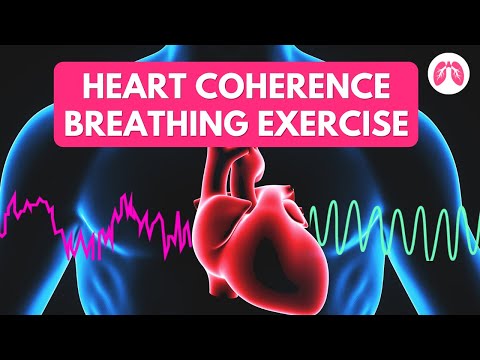
Hey there! So, let’s chat about something pretty important—mental health and heart failure. It might not seem like they go hand in hand, but trust me, they totally do.
When your heart’s having a tough time, it can really mess with your head too. Stress and anxiety can creep in, making everything feel heavier. You know what I mean?
But here’s where it gets interesting. Simple breathing exercises can actually be a game-changer. Seriously! Just taking a few moments to breathe deeply can help calm those racing thoughts and ease that melt-down feeling.
So, grab a comfy seat and let’s explore how focusing on your breath can lighten the load for both your heart and mind. You ready?
Unlocking Mental Wellness: The Power of Breathing Exercises for Better Mental Health
Breathing exercises, yeah, they might sound simple, but they can actually be pretty powerful for your mental wellness, especially when it comes to dealing with stress or anxiety. Think about a time when you were feeling overwhelmed. Maybe your heart was racing, and you couldn’t catch a break. What if someone told you that just focusing on your breath could help calm all that chaos? Sounds intriguing, doesn’t it?
The truth is, your breath is like a bridge between your body and mind. When we breathe deeply and intentionally, we send signals to our brain to chill out. This can be super helpful in situations where anxiety creeps in or when you’re feeling overwhelmed by emotions.
You see, there’s something magical about slowing things down. Breathing exercises can lower stress hormones—those pesky little guys that ramp up your anxiety levels. It’s like giving your nervous system a hug! So let’s get into some of the benefits:
- Reduces Stress: By focusing on deep breathing, you can lower cortisol levels in your body.
- Improves Focus: When you’re centered and calm, it’s easier to concentrate on tasks without feeling frazzled.
- Eases Anxiety: Breathing techniques can help bring down feelings of panic during anxious moments.
- Enhances Mood: Deep breathing increases oxygen flow to the brain, which can boost your overall mood.
Let’s talk about **the how** for a second because it’s not just about knowing breathing exercises; it’s about actually doing them! One popular technique is called the 4-7-8 method. Basically, you breathe in through your nose for 4 seconds, hold that breath for 7 seconds (try not to explode!), and then exhale through your mouth for 8 seconds. Give it a shot next time you’re feeling anxious; it might surprise you!
For folks with heart issues like heart failure—where stress management is super critical—these exercises can help too. Imagine sitting in a quiet room and doing these simple breaths while visualizing calmness washing over you. That helps both mind and body relax.
So remember that moment I mentioned earlier? Picture this: someone going through heart failure feels anxious because their heart’s racing at an irregular pace. By tuning into their breath—taking slow inhales and exhales—they’re not just calming their minds; they’re helping their bodies find balance too.
Don’t overlook the power of something as fundamental as **breathing**! It’s available anytime you need it: at work during a stressful meeting or even at home while winding down after a long day.
Incorporating breathing exercises into daily life isn’t just some new-age trend; it’s a simple yet profound way to enhance mental health powerfully. So whether you’re dealing with anxiety or just trying to manage the stresses of everyday life—including health challenges—don’t underestimate the strength of taking a nice deep breath!
Exploring the Benefits of Breathing Exercises for Heart Failure Management
When we talk about heart failure, it’s easy to feel overwhelmed. You’re juggling not just the physical symptoms but also emotional challenges. Breathing exercises can really help here, and it’s more than just taking a deep breath—it’s about creating a calm space in your mind and body.
Breathing exercises offer several benefits for managing heart failure. They can help reduce anxiety and stress, which is crucial because emotional well-being affects heart health. When you’re stressed, your heart works harder, which isn’t what you want when dealing with heart failure.
- Improved oxygen circulation: Deep breathing helps increase the oxygen level in your blood. More oxygen means better functioning of your body’s organs—especially important for a struggling heart.
- Lowered heart rate: Just by focusing on your breath, you can slow down that racing heartbeat. It’s like hitting the brakes on your stress response.
- Better relaxation: Regular practice of these exercises encourages relaxation. You might find that you fall asleep easier or feel more at peace during the day.
- Mood enhancement: Breathing techniques stimulate the release of feel-good hormones like serotonin. This can boost your mood and make dealing with chronic issues more manageable.
A while back, I had a friend who was navigating her own battle with heart failure. She often felt anxious, especially before her check-ups. She started practicing simple breathing exercises before her appointments. Instead of spiraling into worry, she focused on her breath—counting to four as she inhaled and then again as she exhaled. Over time, she noticed that those anxious feelings became less intense.
Breathe in slowly through your nose; let it fill up your lungs first then release through your mouth. It sounds so simple right? But each breath can be a step toward feeling better emotionally and physically.
If you’re wondering how to get started, just pick a comfortable spot—maybe even close your eyes if that helps—and let yourself tune into the rhythm of your breath for a few minutes each day. You don’t need fancy equipment or classes; just you and some quiet time is all it takes!
In summary: Breathing exercises are not just about taking air in; they’re about giving yourself a chance to relax and recharge while managing heart failure symptoms more effectively.
You got this! Remember that small steps can lead to big changes over time—just like those breaths you’re taking!
Unlock Calm: Discover the Benefits of the 4-8-8-4 Breathing Technique for Stress Relief
Hey, so let’s chat about this breathing technique called the 4-8-8-4 method. It’s pretty neat and can help you chill out, especially if you’re dealing with stress or something like heart failure. Breathing exercises like this are cool because they can make a real difference in how we feel mentally and physically.
Alright, so here’s the breakdown. The idea behind the 4-8-8-4 technique is super simple. You breathe in for four seconds, hold it for eight seconds, and then breathe out for four seconds. Sounds easy, right? But hang on; there’s a bit more to it.
- Inhale for 4 seconds: Take a deep breath through your nose. Fill those lungs up. Imagine you’re inflating a balloon! This step is all about getting oxygen flowing.
- Hold for 8 seconds: Now hold that breath. This part might feel a little weird at first but stick with it! It helps your body absorb all that good oxygen.
- Exhale for 4 seconds: Slowly breathe out through your mouth. Picture letting go of all that stress and tension you’ve been carrying around.
- Repeat: Try doing this cycle about four times in a row, or as many times as feels good. The key is to go at your own pace.
The beauty of this breathing exercise is how it gets your body to relax. See, when you’re stressed, your breathing tends to get shallow and fast—like you’re running late or something! By focusing on longer breaths with pauses, you’re basically telling your body it’s okay to calm down and chill out.
I remember when my friend Jake went through some tough health issues—heart problems and all that jazz—and he was always anxious about what was next. Someone introduced him to the 4-8-8-4 method, and honestly? It changed everything for him! Whenever he felt that anxiety creeping in during doctor appointments or just daily life, he’d take a moment, breathe through the technique, and come back feeling more centered.
Now let’s talk about why this is especially useful for folks with heart issues. Stress can seriously mess with our hearts—it increases blood pressure and just makes everything feel heavier. Using techniques like 4-8-8-4 can really help mitigate some of that stress-induced weight.
Plus, focusing on breathing helps shift your mind away from anxious thoughts onto something simple: just breathing! This mindfulness aspect taps into both mental health benefits—like reducing anxiety—and can even have physical perks by promoting better circulation and stability in heart function.
So whether you’re feeling overwhelmed from life stuff or dealing with ongoing health challenges like heart failure—give this breathing technique a shot! Just remember: it’s totally okay if it takes some time to get used to it; everyone’s different after all.
In short? The 4-8-8-4 breathing technique is an easy way to find calm amidst life’s chaos! So try it out next time you need to hit pause—your mind (and heart) will thank you!
Okay, so let’s chat a bit about breathing exercises and how they can be super helpful for mental health, especially for folks dealing with heart failure. I mean, life can get overwhelming sometimes, you know? You might feel anxious or stressed out about your health – that’s totally understandable.
I remember talking to a friend who was really struggling with anxiety after being diagnosed with heart issues. She felt like her world had flipped upside down. Every day brought a new wave of worry. It’s tough when your body and mind are at odds like that. So we started exploring some simple breathing techniques together, and honestly, it was a game changer for her.
Breathing exercises aren’t just about filling your lungs with air; they’re more like little tools for handling stress and anxiety. When you take the time to breathe deeply, it can send signals to your brain that it’s okay to chill out for a moment. You know that feeling when you take a long breath in and then release it? It’s kind of like hitting the reset button on your nervous system.
There are different ways to approach this. For example, you could try something called diaphragmatic breathing. Basically, you focus on making your belly rise as you inhale deeply through your nose, then slowly exhale through your mouth. Feels pretty good! It calms the nerves and helps clear the clutter in your mind.
What’s really cool is how these techniques not only help manage anxiety but also connect back to heart health itself—less stress means better management of that heart condition, right? And let’s face it: feeling more relaxed can lead to better decision-making about health choices.
Incorporating these exercises into daily routines doesn’t have to be complicated either. Just taking five minutes here or there can make a big difference! It’s all about creating those moments of peace amid the chaos. You follow me? Like taking just a minute in between tasks or even while waiting for an appointment—it feels good!
So if you’re dealing with something like heart failure, seriously consider adding some breathing exercises into the mix—it might not solve everything (wouldn’t that be nice?), but they definitely help lighten the load a bit!