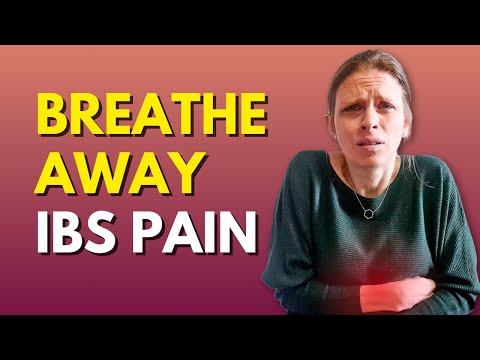
You know that tight feeling in your stomach when stress hits? Yeah, it’s the worst. For folks dealing with irritable bowel syndrome (IBS), that’s like a daily thing.
But here’s the deal—what if you could ease some of that discomfort just by breathing? Sounds simple, right? Well, it kind of is!
Breathing techniques can be a game changer. Seriously. They help reduce stress and calm those IBS symptoms down.
Let’s chat about some ways to breathe your way to feeling better. Ready?
Exploring the Impact of Klonopin on IBS Symptoms: Can it Help?
So, Klonopin, huh? It’s one of those medications that gets thrown around in conversations about anxiety and panic disorders. But what about its impact on IBS symptoms?
Irritable Bowel Syndrome (IBS) can be a real pain—literally. It often comes with a bunch of digestive issues like bloating, cramping, and changes in bowel habits. Stress levels can make it even worse. So, what’s the connection here? Well, some people have noticed their IBS flares up when they’re stressed or anxious.
Klonopin is a benzodiazepine that works by calming your brain and nerves. That sounds great when you’re feeling anxious, right? But here’s the kicker: by easing stress and anxiety, it might help some folks deal with their IBS symptoms too. But it’s not that simple.
- Stress Reduction: Since Klonopin can reduce overall anxiety levels, people might see an improvement in their IBS symptoms because they feel less stressed out.
- Muscle Relaxation: Klonopin may help relax the muscles in your gut, which could alleviate some of the cramping associated with IBS.
- Side Effects: On the flip side, this medication isn’t without its drawbacks—like fatigue or dizziness—which aren’t exactly helpful if you’re dealing with IBS already.
You see, while Klonopin could potentially help manage stress-related flare-ups of IBS, it’s not like a magic pill for everyone. I read about someone who took it for anxiety and found their digestive issues improved significantly because they weren’t as tense all the time. But another person I know had to stop taking it because they felt too foggy to function well at work.
There are also other ways to tackle both stress and IBS symptoms without diving into meds headfirst. Breathing techniques, for example—simple exercises can really help ground you during those stressful moments and could ease your gut in return.
This is super important: Always have a chat with your doctor before starting or stopping any medication like Klonopin. They’re gonna help you figure out what works best for you based on your unique situation.
The bottom line? While there might be some benefits of using Klonopin for managing IBS symptoms through anxiety relief, it’s not a one-size-fits-all solution. And don’t forget: good old-fashioned breathing exercises can be pretty beneficial too! So why not give those a shot while keeping an eye on how your body reacts?
Effective Strategies for Managing IBS Anxiety: A Comprehensive Guide
Managing IBS anxiety can feel like an uphill battle sometimes. You know, it’s not just about tummy troubles; it’s about how those gut issues mess with your head too. Seriously, the connection between your brain and gut is super real. Stress and anxiety can really ramp up the symptoms of Irritable Bowel Syndrome (IBS), and that’s where some effective strategies come into play.
First off, let’s talk about **breathing techniques**. They might sound simple, but they can have a huge impact on your anxiety levels and even help ease those pesky IBS symptoms.
Diaphragmatic Breathing is one of the go-to techniques. This involves breathing deeply from your diaphragm rather than shallowly from your chest. Here’s how you do it:
Doing this for just a few minutes each day can lower stress levels tremendously. Think of it like giving yourself a mini-vacation right at home.
Another technique? 4-7-8 Breathing. This method is perfect if you’re feeling particularly anxious about an upcoming event or flare-up.
Trust me, it sounds a little odd at first but give it a try! The idea is to focus entirely on breathing instead of whatever’s stressing you out.
Then there’s Meditative Breathing, which combines breath work with mindfulness. You can do this anywhere—at home or even in line at the grocery store when anxiety flares up!
This helps ground you in the present moment—like pulling yourself back from that spiral of anxious thoughts to just *being*.
And hey, don’t overlook **progressive muscle relaxation**! This technique helps relieve tension throughout the body, which can also translate to less stress on the gut.
Start by tensing each part of your body—like fists or shoulders—hold for a few seconds then relax completely while taking deep breaths. • You’ll notice that when muscle tension goes down, so does mental tension too!
The thing is—practicing these techniques regularly makes them more effective over time. It’s like building muscle; the more you work at it, the stronger you’ll get!
But take it slow. Maybe challenge yourself to try one new technique each week or incorporate them into moments when IBS symptoms hit hardest—for instance during social events or stressful situations that trigger anxiety.
So yeah, managing IBS anxiety isn’t about eliminating stress completely—that’s basically impossible! It’s more about learning how to cope with it positively so it doesn’t rule your life—or mess with those digestive issues any further.
7 Effective Mental Strategies to Overcome IBS Symptoms and Improve Your Well-Being
Living with IBS can, honestly, feel like a never-ending rollercoaster. One moment you’re feeling fine, and the next, everything is just all over the place. Stress doesn’t help either; it’s like adding fuel to a fire. But here’s the thing: you can use some mental strategies to deal with IBS symptoms and boost your well-being overall. Let’s break down some effective techniques that might help.
1. Mindful Breathing
When you’re hit with those cramps or discomfort, just taking a step back and focusing on your breath can be a real lifesaver. It’s super simple: inhale slowly through your nose for a count of four, hold for four, then exhale through your mouth for six. This not only calms your mind but also helps relax your gut. Seriously, it works!
2. Visualization
Picture this: You’re sitting somewhere peaceful—a beach maybe or a quiet garden—and you let all anxious thoughts just drift away like clouds in the sky. It’s about creating that mental space where IBS doesn’t have a hold on you anymore. Visualization helps reduce anxiety and makes those uncomfortable symptoms feel less overwhelming.
3. Progressive Muscle Relaxation (PMR)
So here’s how it goes: you tense up certain muscle groups one by one and then let them go completely. You start from your toes and work all the way up to your head—or vice versa! Doing this can really lower stress levels, making those IBS flare-ups feel more manageable because tension in the body often leads to tension in the gut.
4. Journaling Your Feelings
There’s something therapeutic about putting pen to paper when you’re feeling overwhelmed—like getting all those crazy thoughts out of your head and onto paper really lightens the load! Write down what you’re feeling physically and emotionally; it could pinpoint triggers that set off symptoms or even just serve as an emotional release.
5. Positive Affirmations
You know what they say about self-talk? It matters! Try repeating simple affirmations like “I am calm and in control” or “My body is strong.” These little pep talks can shift how you view yourself during tough times—helping to ease anxiety around IBS.
6. Consider Your Diet Mentally
Food connects deeply with both our bodies and minds—it’s all intertwined! Keeping tabs on what makes you feel good versus what stirs up trouble is key here. When yah eat something that works for ya mentally too—like nourishing foods—it sets a positive tone for dealing with any IBS-related stress.
7. Seek Social Support
Sometimes, chatting with someone who gets it can make all the difference—friends or support groups can be great outlets! Sharing experiences helps normalize what you’re going through and reminds you that you’re not alone in this journey.
The path of managing IBS isn’t always smooth sailing, but by incorporating these mental strategies into your routine, there’s hope for feeling better both physically and mentally! So try these techniques out; see which ones vibe with you best—it might just surprise you how much improvement you notice in both your symptoms and overall mood!
You know, sometimes you just stumble upon a little gem that makes a big difference. A friend of mine was battling IBS – seriously, it was like a ninja in her gut. One day, she mentioned she’d started trying breathing techniques to help with her symptoms, and I was intrigued. I mean, who would’ve thought something as simple as breathing could help tackle that?
So here’s the deal: when you’re stressed or anxious, your body tends to hold onto that tension. It’s like you’re bracing for an impact all the time. But guess what? Deep breathing can totally flip the script on that! When you take slow, deep breaths, it sends signals to your brain saying, “Hey! Calm down over there!” This can help smooth out those IBS symptoms which often flare up when stress is through the roof.
I remember sitting with her while she demonstrated this technique. She inhaled deeply through her nose for a count of four, held it for another four, and then exhaled slowly through her mouth for six counts. It seemed so simple but somehow felt profound at the same time. As we practiced together, I could feel this warm sensation spreading through me – like letting go of weights I didn’t even know I was carrying.
What happens is you bring your focus back to the present moment instead of spiraling into worries about whatever’s stressing you out or what’s going on in your tummy. You get grounded again. And seriously? That can make such a huge difference not just in managing IBS but also in dealing with everyday life stuff.
So if you ever find yourself feeling overwhelmed or your stomach doing flips at the most inconvenient times, give those breathing techniques a shot! It might not be a magic bullet, but hey – every little bit helps, right? You might just find yourself feeling lighter and more relaxed. Plus, who doesn’t want to take a moment to breathe deeply and chill out once in awhile?