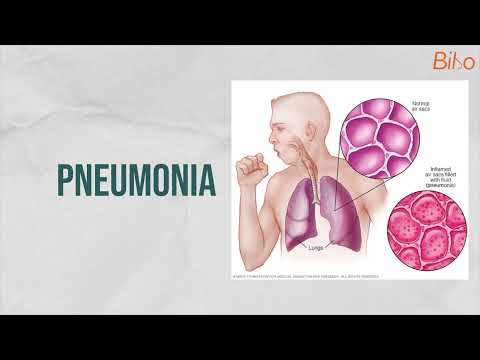
Hey! So, let’s talk about something pretty important—recovering from pneumonia. Ugh, I know! It can really take a toll on you, both physically and mentally. You might feel tired, anxious, or just kind of out of it, right?
But here’s the good news: there are ways to help yourself heal. Breathing exercises? Yeah, they can work wonders. They’re not just for yoga lovers or meditation gurus. Seriously! Just a few simple breaths can make you feel a lot better.
Imagine taking a deep breath in and feeling that tightness in your chest ease up a bit. Sounds nice, huh? In this chat, we’ll dive into some easy breathing exercises that can really help you bounce back after pneumonia.
So grab a comfy seat and let’s get started with some good vibes and fresh air!
Benefits of Breathing Exercises After Pneumonia: A Guide to Recovery
Breathing exercises can do wonders for your recovery after pneumonia. Seriously, they’re not just about getting air into your lungs; it’s a whole process that can help you bounce back. Let’s talk about why these exercises are super beneficial.
First off, breathing exercises enhance lung function. After pneumonia, your lungs may feel a bit like they’re on a vacation—out of shape and sluggish. By practicing deep breathing, you can help clear out mucus and improve overall lung capacity. It’s like giving those lungs a workout!
You might be wondering what kind of exercises to do. Well, here are some easy ones:
- Diaphragmatic Breathing: This technique focuses on using your diaphragm rather than your chest. You just breathe deeply through your nose, letting your belly rise and fall.
- Pursed-Lip Breathing: Breathe in slowly through your nose and then exhale gently through pursed lips. It slows down breathing and makes each breath more effective.
- Incentive Spirometry: Using this device encourages you to take deep breaths by measuring how much air you inhale.
Now let me tell you, doing these exercises regularly can really make a difference in how quickly you recover. It’s not just about the physical aspects either; it helps mentally too.
When you’re recovering from pneumonia, it can feel pretty isolating and frustrating at times. Breathing exercises can actually reduce feelings of anxiety and stress—it calms the mind while helping the body heal! Just picture yourself sitting outside on a sunny day, focusing on those deep breaths; it brings this sense of peace that’s hard to beat.
Another biggie is increasing oxygen levels. After being sick, your body craves good oxygen flow to heal itself. So the more efficiently you breathe, the more oxygen gets delivered to your organs and muscles. This helps boost energy levels which can be pretty low after being ill.
And let’s not forget about improving circulation. When you take deep breaths, it promotes better blood flow. Your heart has to work less hard when the body gets enough oxygen! That means faster healing overall—who wouldn’t want that?
Also worth mentioning is how these techniques promote mindfulness too. Focusing on your breath draws attention away from discomfort or frustration during recovery. It’s like giving yourself a mini-vacation from negative thoughts—you’re fully present in that moment.
So if you’re recovering from pneumonia or know someone who is, encourage them (or yourself!) to incorporate breathing exercises into their routine. It doesn’t have to be complicated or time-consuming—not at all! Just set aside a few minutes each day for those calming breaths.
In short, breathing exercises aren’t just fluff—they’re like little healing tools for both mind and body post-pneumonia. You’ll likely find yourself feeling stronger and more relaxed as time goes on when you stick with it! Keep it simple, stay patient with yourself or loved ones during recovery—it all adds up over time.
Essential Steps to Heal Your Lungs After Pneumonia: A Comprehensive Guide
I get that pneumonia can really take a toll on your lungs and your overall well-being. Healing is a journey, and it’s crucial to focus on what you can do to help your lungs bounce back. So, let’s chat about some **breathing exercises** and general tips that might help you along the way.
Rest and Recovery
First off, you gotta give yourself time. Rest is super important for recovery. Your body needs energy to repair itself. Think of it this way: if you’ve just had a marathon (even if it was just pneumonia), you wouldn’t want to jump right back into training the next day. You know what I mean?
Stay Hydrated
Water is your best friend here. Keeping hydrated helps thin mucus in your lungs, making it easier to clear out stuff that doesn’t need to be there. Aim for plenty of fluids throughout the day—like water, herbal teas, or broths.
Breathing Exercises
Now, let’s get into those breathing exercises! They can strengthen your lungs over time. Start with some simple ones:
- Diaphragmatic Breathing: Lie on your back with knees bent or sit comfortably. Place one hand on your belly and the other on your chest. Inhale deeply through your nose, feeling your belly rise more than your chest, then slowly exhale through pursed lips.
- Pursed Lip Breathing: This one’s handy for controlling shortness of breath. Inhale through your nose for 2 counts and then purse those lips like you’re about to whistle while exhaling for 4 counts.
- Coughing Techniques: Gentle coughing can help clear out mucus without straining yourself too much. Take a deep breath in through the nose and then use controlled coughs (three in a row) from deep within.
Try these exercises a few times daily—just don’t overdo it at first!
Lung Hygiene
Keeping the air around you clean matters too! Avoid smoke, strong odors, or anything dusty while you’re healing. Good air quality makes breathing easier.
Nutritional Support
Nourishing yourself plays a big role in recovery as well! Foods rich in vitamins C and E, along with zinc, can support lung health. Fruits like berries and oranges are awesome picks.
Avoiding Respiratory Irritants
Smoke? Nope! Pollution? No thanks! Stay away from anything that could irritate those recovering lungs as much as possible.
And remember: listen to your body throughout this process. If something feels off or you’re struggling even after trying these steps, reach out to healthcare professionals who understand what you’re going through.
Getting back to full strength can feel like an uphill battle at times—but every small step matters! Focus on progress each day, even if it’s just taking deeper breaths or enjoying fresh air outside for a little while. You’ve got this!
Understanding Breathing Recovery: How Long After Pneumonia Can You Expect Improvement?
Breathing recovery after pneumonia can take some time. It varies from person to person, depending on a few factors, like your overall health and how severe the pneumonia was. Generally, you might start feeling better within a couple of weeks, but full recovery can stretch over several months.
After battling pneumonia, your lungs are likely still healing. This means that even if you’re out of bed and back to most activities, your lungs might still be a bit sluggish. You could feel winded just from simple tasks, like climbing the stairs or walking a short distance. That’s pretty normal! Just remember to listen to your body.
It’s all about strengthening those lung muscles again and helping them regain their full capacity. Here are some key points:
- Initial Recovery: Most people start feeling noticeable improvements within 2-4 weeks.
- Continued Healing: Expect gradual improvement for about 6-12 weeks post-pneumonia.
- Breathing Exercises: They can really help! Techniques like deep breathing or pursed lip exercises can assist in regaining strength.
- Listen to Your Body: Don’t push it too hard; fatigue can be part of the process.
Breathing exercises can be super helpful during this phase. They not only aid in improving lung function but also help reduce anxiety and stress. It’s amazing how much your mind and body connect when you’re focusing on your breath; you get this sense of calm that feels pretty good!
In my buddy Sarah’s experience with pneumonia last year, she found that every week she tried breathing exercises, she felt stronger. At first, just sitting on the edge of her bed and taking deep breaths felt exhausting! But after a month or so? She could walk around her block without gasping for air.
So if you’re recovering from pneumonia, be patient with yourself. You’ll likely notice improvements every little step you take, but be prepared for it to take time—especially if your pneumonia was rougher than usual.
And hey, don’t forget to check in with a healthcare provider if things feel off or not improving as expected. Sometimes you need an extra set of eyes on your recovery journey!
So, let’s chat about breathing exercises, okay? You know, when you’ve been through something tough like pneumonia, it can really take a toll on both your body and mind. I mean, it’s not just about feeling weak physically; emotionally, it’s like you’re carrying around this heavy backpack filled with anxiety and fear. I remember a friend of mine who had pneumonia last year. She told me how after she recovered, she still felt this tightness in her chest—like a constant reminder of what she’d been through.
Breathing exercises can be a game-changer in situations like this. They might sound simple, but they’re powerful. To start with, focusing on your breath can help calm that mental chaos, which is super important after an illness that leaves you feeling vulnerable. When my friend began practicing deep breathing techniques every day, she said it helped her reconnect with her body in a gentle way.
One popular method is the 4-7-8 technique: you breathe in for four counts, hold for seven counts, and exhale for eight counts. It’s like giving your lungs a little workout while also sending soothing signals to your mind. Seriously! Each time you inhale deeply—imagine filling up those lungs fully—it’s almost like you’re reclaiming space inside yourself.
And let’s not forget about the soothing part of it all. As you’re breathing deeply and slowly, there’s this wave of relaxation that washes over you. It can ease that lingering anxiety or fear about being unwell again… which I think we all face at some point after an illness.
Plus—here’s another thing—mindfulness plays nicely with breathing exercises. If you focus on your breath while letting thoughts come and go without judgment, it’s kinda freeing! You realize you’re not just the worries swirling in your head but something much bigger than that.
So yeah—after pneumonia or any tough time really—it’s not just about getting back to normal physically; it’s also about healing mentally and emotionally. Breathing exercises are like a bridge back to yourself when you’ve been feeling lost for a bit. If you’re kind of hesitant or unsure where to start? Just try setting aside five minutes each day to focus on your breath; it’ll start feeling natural before long.
Just remember: healing takes time—and being kind to yourself is part of the journey too!