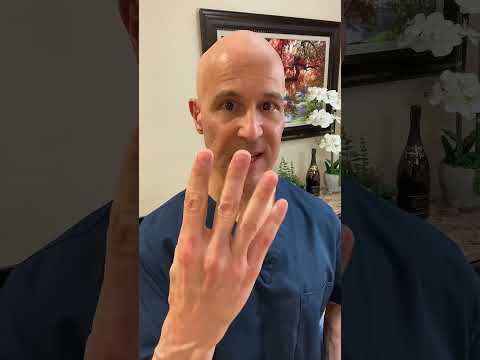
Hey! So, let’s chat about breathing. Yeah, I know it sounds simple, but there’s a lot more to it than you might think.
You ever feel like your mind is running a marathon? Like, thoughts are just racing and you can’t catch a break? Totally relatable. And guess what? Breathing exercises can really help with that chaos.
Plus, they’re not just for calming your mind. They can actually help reduce inflammation in the body too. Crazy, right?
Seriously though, taking a few moments to focus on your breath might just be the game-changer you need. So why not give it a shot together? Let’s take a deep breath and dive in!
Breathe Easy: Techniques to Reduce Inflammation Through Breathwork
Breathing, it turns out, is more than just a thing we do to stay alive. It can actually help calm your mind and reduce inflammation in the body. Yeah, it’s true! When you’re stressed or anxious, your breathing tends to get shallow, which can trigger all sorts of inflammation-related problems. So, what’s the deal with breathwork? Let’s break it down.
First off, what is breathwork? It’s basically any technique that focuses on controlling your breath. That could be taking deep breaths or practicing specific patterns of inhaling and exhaling. There are tons of methods out there, but here are a few that really stand out for calming your mind and potentially reducing inflammation:
- Diaphragmatic Breathing: This is where you breathe deeply into your belly rather than just filling up your chest. It triggers the relaxation response in your body. You can try this by lying down and placing one hand on your belly and the other on your chest. Inhale deeply through your nose so that only your belly rises—your chest should barely move! Exhale slowly.
- 4-7-8 Breathing: This one’s a classic! You breathe in for 4 seconds, hold it for 7 seconds, and then exhale slowly over 8 seconds. Seriously, giving yourself those extra beats helps lower anxiety levels and enhances oxygen flow.
- Nadi Shodhana (Alternate Nostril Breathing): Sounds fancy, right? You use one nostril at a time to focus on breathing. Close one nostril with a finger while you inhale through the other—then switch! This method is said to balance both sides of the brain while calming everything down.
Now let’s chat about how this helps with inflammation specifically. Basically, when you’re stressed out, your body goes into “fight or flight” mode. Your heart races and inflammatory responses kick in because that’s how our bodies used to handle threats—from bears or whatever! But with controlled breathing techniques like we talked about earlier, you send signals to your brain that it’s okay to chill out.
Another key point is the connection between breathwork and mindfulness. Engaging fully with each breath can keep you grounded in the moment rather than spiraling into worries about yesterday or tomorrow. Mindfulness has been shown to help lower chronic inflammation markers in both psychological studies and real-life scenarios.
Think about this: a friend of mine struggled with chronic pain due to inflammation related to stress—it was something she carried around daily like an old backpack full of bricks. She started incorporating some simple breathwork exercises into her routine—like those I mentioned above—and noticed her pain levels dropped significantly over time! Not saying it’s a miracle cure or anything but hey, it made her feel more in control.
So yeah, whether you’re looking to chill on a stressful day or want something manageable for ongoing health concerns like inflammation, these breathing exercises might just be worth exploring further. And if nothing else? They give you great tools for those moments life throws curveballs at you—just stop for a second…and breathe!
Discover the Calming Breathing Technique to Soothe Your Mind
So, let’s talk about breathing. You might not think much about it, but it’s one of those things we do automatically, you know? But when stress hits, our breathing can become shallow and rapid. This is where a simple breathing technique can really help. It’s all about taking control of your breath to calm your mind and maybe even soothe some physical tension.
Calming Breathing Technique is basically a way to slow down and deepen your breaths. You know how when you take a nice deep breath, it kinda feels like a mini-reset for your brain? That’s the vibe here.
First off, find yourself a comfy spot. It doesn’t have to be anything fancy—just somewhere where you won’t be interrupted. Now get into a position that feels good for you, whether that’s sitting or lying down.
Next up, focus on your inhaling. Try inhaling deeply through your nose for a count of four. Seriously, fill up those lungs! Picture filling up a balloon with air; you want it full but not bursting.
Then comes the exhaling part. Do it slowly through your mouth for a count of six or even eight if you can manage it! Think of blowing out birthday candles—nice and gentle but controlled.
Now here’s where it gets cool: while you’re doing this, pay attention to how your body feels. Notice any tightness in your shoulders or maybe how tense your jaw feels? Just let that stuff go as you breathe out.
You might want to repeat this cycle for five minutes at first. It sounds super simple, but there’s real magic in those breaths. With practice, you’ll start to notice that calming effect kicking in more quickly each time.
Also, consider trying some visualization. Imagine something peaceful—like waves gently crashing on the shore or leaves rustling in the wind—as you breathe in and out. It can add another layer to helping your mind relax.
And hey, if you’re dealing with inflammation too (not just mental stress), studies suggest that calming techniques like these breathe some life back into our body’s healing processes by lowering cortisol levels—a hormone related to stress.
Incorporating this technique into daily life could be seriously beneficial for both mental clarity and overall well-being. Give it a shot during stressful moments or even as part of winding down before bed; who knows? You might find yourself looking forward to those deep breaths!
Unlock Your Brain’s Potential: Boost Cognitive Power Through Breathing Techniques
Breathing techniques can be a real game changer for unlocking your brain’s potential. You might not realize this, but the way you breathe can actually affect how well your brain works. It sounds pretty wild, huh? But it’s true! When you engage in specific breathing exercises, not only can they help calm your mind, but they also may reduce inflammation and boost cognitive power.
So basically, when you take deep breaths, you’re increasing oxygen flow to your brain. More oxygen means better focus and clarity. It’s kind of like giving your brain a refreshing drink of water after being parched. And the thing is, our brains really love that hydration!
Think about this: Have you ever felt super anxious or overwhelmed? What do we tend to do? Take shallow breaths! That’s our body’s way of saying, “Whoa there!” Those shallow breaths send our brains into overdrive. This is where breathing techniques come into play.
Here are some key benefits you might get from breathing exercises:
- Reduces stress: Slowing down your breath can trick your mind into thinking everything’s okay.
- Enhances focus: When you’re calm and centered, it’s easier to concentrate on tasks.
- Improves memory: Better oxygen levels can lead to sharper memory retention.
- Decreases inflammation: Breathing deeply may help reduce chronic inflammation in the body.
Let’s consider a simple technique called diaphragmatic breathing. You know the one—where you breathe deeply into your belly instead of just puffing up your chest? Here’s how it goes: Sit comfortably and place one hand on your belly and the other on your chest. As you inhale through your nose for about four seconds, feel that belly rise. Then exhale slowly through your mouth for about six seconds—let that tummy fall. Repeating this several times can help lower stress levels and get those cognitive gears turning again.
Another goodie is the 4-7-8 method. Inhale through your nose for a count of four seconds, hold it for seven second (yes, seven!), and then exhale slowly through pursed lips for eight seconds. As strange as it sounds, this technique not only calms anxiety but improves sleep quality too—definitely a win-win!
Remember that feeling when you’ve been sitting at the computer too long? Your mind feels foggy and restless? Taking five minutes to try these techniques can literally clear that mental clutter away and boost creativity.
It’s honestly kind of remarkable how something as simple as breathing—something we do all day without even thinking—can have such profound effects on our mental health and cognitive powers! Just try incorporating these exercises into your day whenever things feel chaotic.
So go ahead, give these breathing techniques a shot; they might just unlock some serious cognitive potential within you! And who knows? With a little practice, you could find yourself feeling more focused, more creative—and maybe even kinder to yourself along the way!
You know, life can get pretty overwhelming sometimes, right? Like, one minute you’re coasting along, and the next you’re hit with stress from all angles—work, relationships, just everything. Recently, I was feeling that pressure build up inside me. One night, my mind was racing, and I just couldn’t shake that anxious feeling. It got me thinking about how essential it is to find ways to calm ourselves.
That’s when I stumbled upon breathing exercises. Seriously, it sounds simple, but it’s like magic for your mind and body. Breathing deeply can help slow everything down. You take a deep breath in… then slowly let it out. It’s kind of amazing how such a basic act can work wonders for your mental state.
Research shows that deep breathing can actually reduce inflammation too. Inflammation is that sneaky thing connected to all sorts of health issues—stress can ramp it up big time. So when you focus on your breath, it’s like giving both your brain and body a break from the chaos.
I’ve tried a few different techniques—a simple one called «box breathing» has become my go-to lately. You inhale for four counts, hold for four counts, exhale for four counts, and then hold again for another four counts. Just feels right! The first time I did it, I felt this wave of calm wash over me—it was such a relief!
But let’s be real here: committing to these exercises regularly takes some effort. It’s easy to forget about them when life gets busy or stressful again—so sometimes I slip up! Yet every time I return to those breathing techniques after a rough patch or when my mind goes haywire; it’s like recharging my mental battery.
So yeah, if you’ve ever felt overwhelmed or noticed how stress messes with your body? Breathing exercises might just be worth exploring. They’re not some magical cure-all but they can sure help calm the storm inside us while reducing those pesky physical symptoms too! Seriously worth a shot!