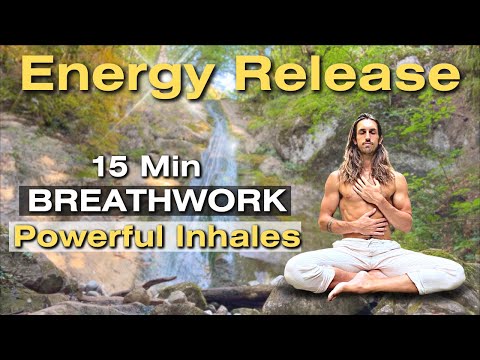
You know those days when everything feels a bit too much? Yeah, I get it.
Life can throw some serious curveballs. Stress, anxiety, the whole shindig. It’s exhausting, right?
But what if I told you there’s a simple way to find a little peace in all that chaos? Seriously, it’s not as complicated as it sounds.
Breathing. Sounds easy, doesn’t it? But there’s a catch. It can be super powerful.
In this little chat, we’re gonna dive into breathing—not just taking air in and out—but using it to boost your emotional resilience. You ready for this? Let’s go!
Exploring the Concept of Breathable Liquid: Is It a Science Fiction Reality?
The idea of breathable liquid sounds like something out of a sci-fi movie, right? But what if I told you there’s some serious science backing this concept? It involves a combination of biology and fluid dynamics that could, in theory, allow humans to breathe liquids. How wild is that?
So, let’s break it down. The basic idea is to have a liquid that can carry oxygen in a similar way to how our lungs do. Our lungs are great at extracting oxygen from air, but if we could swap air for certain liquids, we might be able to take in oxygen that way too. This isn’t just about cool sci-fi plots; it’s actually been researched!
In the real world, scientists have experimented with oxygen-rich perfluorocarbon liquids. These liquids can dissolve much more oxygen than water can. Imagine swimming in a pool of this stuff and actually being able to breathe! Sounds like something straight from «The Abyss,» right?
- The first practical attempts were seen during the 1960s with artificial blood substitutes.
- There’re clinical studies where patients used these types of fluids for medical purposes.
- Some experimental applications are aimed at treating patients with severe lung diseases.
You might wonder why this matters beyond just fun ideas about swimming without holding your breath. Well, breathing liquid could open doors for improving emotional resilience and calmness for people facing stress or anxiety.
Think about it: If you had access to breathing fluid technology, it might reduce panic during situations where air supply is compromised or improve overall mental health by allowing deep relaxation through controlled breathing.
But here’s the kicker: there are hurdles. We’re talking major biological challenges here! Our lungs are designed for gas exchange with air—not liquids—and introducing foreign substances into our body can always come with risks.
To sum up, while breathable liquid may sound like pure fantasy now, ongoing research keeps pushing the boundaries of what’s possible. You know? It makes you think about how innovative human beings can really be when faced with limitations!
Unlock Emotional Resilience and Calm Your Mind with Breathing Techniques
Feeling overwhelmed, anxious, or just plain stressed out? You’re not alone. Life can throw all sorts of curveballs at us, and sometimes it’s hard to keep your cool. That’s where breathing techniques come into play. Seriously, these simple exercises can help you tap into your emotional resilience and bring some calm back into your life.
When you breathe deeply, you’re not just filling your lungs with air. Nope! What you’re doing is sending calming signals to your brain. This can help lower stress hormones like cortisol and kickstart relaxation responses in your body. So, let’s break down a few breathing techniques that may help you find that zen moment.
Diaphragmatic Breathing: Also known as belly breathing, this is super effective for easing anxiety. Here’s how it works:
- Find a comfortable place to sit or lie down.
- Place one hand on your chest and the other on your belly.
- Inhale deeply through your nose, letting your belly rise while keeping your chest still.
- Exhale slowly through pursed lips (like you’re blowing out a candle), feeling your belly fall.
Just five minutes of this can make a world of difference! Think about that time when everything felt chaotic—taking a moment to breathe like this could’ve helped you regain control.
Box Breathing: This one’s great for calming racing thoughts. It’s simple and structured:
- Breathe in through your nose for a count of four.
- Hold that breath for another count of four.
- Breathe out through your mouth for four counts.
- Hold again for four counts before repeating.
Next time you’re gearing up for something stressful—like a big presentation or an awkward family dinner—give this technique a shot!
Nasal Breathing: Breathing through the nose can feel more natural and helps filter the air before it gets into our lungs. Plus, it promotes more oxygen absorption and reduces anxiety! Feel free to try inhaling slowly through one nostril while blocking the other with a finger, then switch sides after exhaling.
Now let me tell ya about my friend Sarah; she used to struggle with panic attacks whenever she had to drive in busy traffic. One day she decided to try diaphragmatic breathing before hitting the road. That little change turned her whole experience around! Instead of gripping the steering wheel in fear, she was able to take deep breaths and actually enjoy her drive.
The thing is, these techniques are super versatile—use them during stressful moments at work or before bed when thoughts are racing through your mind like it’s rush hour on the freeway.
So really, having these tools up your sleeve can help you build emotional resilience over time. It might feel awkward at first—you know?—but with practice comes comfort. Just remember: nobody’s expecting perfection here; it’s all about finding what works best for you!
Incorporating some simple breathing exercises into our daily routines isn’t just practical—it’s also empowering! Next time life feels like it’s spinning outta control, close those eyes and take some deep breaths—you might be surprised at how much clarity it brings.
Master the Navy SEAL 4-7-8 Breathing Technique for Better Mental Health and Stress Relief
The Navy SEAL 4-7-8 breathing technique is one of those tools that can seriously help you chill out. Seriously, if you’re feeling anxious or just overwhelmed, this simple method might be exactly what you need. So, what’s the deal with it? Well, it’s all about rhythm and purpose.
First off, let’s break it down. The idea is pretty straightforward: you inhale for a count of 4 seconds, hold your breath for 7 seconds, and then breathe out for 8 seconds. Yep, that’s the basic structure. It sounds simple enough but trust me; there’s more magic to it than you might think.
Step-by-Step Breakdown
- Inhale deeply through your nose for a slow count of 4 seconds.
- Hold your breath and count to 7 seconds.
- Exhale slowly out of your mouth for a full 8 seconds.
Easy peasy, right? You might be thinking: “What does counting have to do with anything?” Well, here’s the thing: counting helps you focus. When you’re in a stress-filled moment—like when you’re stuck in traffic or facing a big deadline—it’s easy to feel everything spiraling. Focusing on your breath creates space between you and that chaos.
Think about how you actually feel when you’re stressed. Your heart races, breathing gets quick and shallow—you know the drill. This technique switches up that pattern by encouraging slower breaths and deeper oxygen intake. Basically, the longer exhale triggers your body’s relaxation response.
Now, real talk: I remember trying this method for the first time before giving a presentation at work. My hands were sweaty; my mind was racing like crazy! Then I thought—why not give this a shot? So I found a quiet corner (thankful for headphones!), did the 4-7-8 breathing maybe three times…and wow—it was like hitting pause on my anxiety button!
The Benefits
So why should you bother mastering this technique? Here’s some stuff to consider:
- You can reduce anxiety levels significantly.
- This method may help improve sleep quality if practiced before bed.
- Breathe deeper means better oxygen flow which can boost overall health.
With regular practice—maybe even every day—you’ll start noticing changes over time. The beauty is in how easy it is to incorporate into daily life; no special equipment or fancy apps needed here.
Just remember though—it might feel awkward at first. That’s totally normal! Don’t sweat it if it’s tough initially; just keep at it! Breathing is something we do naturally but training yourself to breathe mindfully takes practice.
So there you have it—the Navy SEAL 4-7-8 breathing technique laid out in plain terms. You’ve got this! It’s one of those tools that can really shift how you handle life’s little stresses without breaking a sweat (well, except for those moments right before). Just breathe in… hold… and let it go!
Breathing is something we all take for granted, right? I mean, it’s just what our bodies do. But let me tell you, when life gets intense—like that time I was juggling work stress and personal stuff—I realized how powerful breathing can be. It’s like this secret weapon we all have!
You know those moments when anxiety creeps in? Maybe you’re about to give a big presentation or you just got some bad news. Your heart races, your palms sweat. It’s like your body flips a switch to panic mode. Well, that’s where breathing comes into play.
When I learned about deep breathing techniques, it felt like finding an old friend who had been hiding away for ages. Just inhaling deeply through my nose and exhaling slowly helped me feel more grounded. Suddenly, I wasn’t spiraling into worry; I was anchoring myself in the present.
Here’s the thing: deep breaths not only calm your mind but also send signals to your body that everything’s okay. You know? It reduces the stress hormones flying around and gives your brain a little break. Seriously, next time you feel overwhelmed, pause for a second and take a few slow breaths. You might notice how much lighter you feel afterward.
It’s not just about avoiding panic attacks or calming down from stress; it’s also about building emotional resilience over time. Think of it as training your brain like a muscle! Every deep breath you take can help make facing challenges feel easier down the line.
So yeah, breathing fluidly isn’t just some airy-fairy concept; it’s about finding calm amid chaos and learning how to navigate life with a little more grace. You deserve those moments of clarity—even if they’re just fleeting—and honestly? Those simple breaths could be the key to lasting emotional strength in tough times. Try it out—you might find yourself surprised at how much something so simple can change everything!