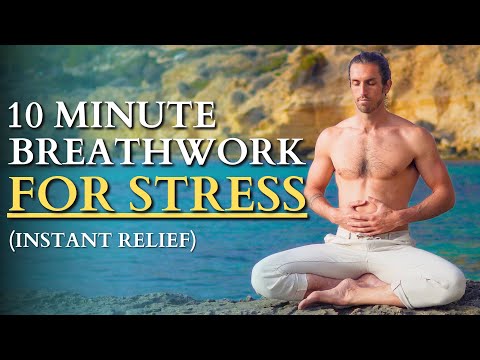
You know that feeling when life gets a bit too much? The weight of the world on your shoulders? Yeah, we all hit those moments. Stress and anxiety can feel like uninvited guests who just won’t leave.
But here’s the thing: there’s a way to kick them to the curb. And it’s something you’ve got right under your nose—literally! Breathing techniques might sound simple, but trust me, they can pack a punch.
So, if you’re ready to breathe easier and chill out a little more, stick around. Let’s chat about how you can turn those heavy breaths into light ones.
Unlocking the 4 A’s of Stress Management: Effective Strategies for a Healthier Mind
Stress can feel like a heavy backpack you just can’t shake off, right? You know, the kind that makes your shoulders ache and your mind race? So, tackling it is super important if you want to chill out and get back to feeling like yourself. Let’s talk about the 4 A’s of Stress Management: Avoid, Alter, Adapt, and Accept. Each of these strategies can help you manage stress a little better.
First up is Avoid. Sometimes the best way to deal with stress is simply to steer clear of what’s stressing you out. If work has you feeling overwhelmed, maybe limit your exposure to project overloads or set boundaries with demanding colleagues. What if it’s social media that gets your anxiety levels up? Maybe take a break from scrolling for a bit. Just remember: it’s totally okay to say no once in a while.
Next on our list is Alter. This one’s about changing the situation when you can. If there are aspects of your life that are driving you nuts—like unrealistic deadlines—talking it over with someone could make a world of difference. Speak up! It could lead to more realistic goals or even just getting some support when things get tough. Open communication really helps lighten that load.
Then we have Adapt. Sometimes life throws curveballs and we gotta roll with them, right? Adapting means figuring out how to respond differently when faced with stressors we can’t control. For example, let’s say your favorite coffee shop closed down (I know, tragic!). Instead of moping about it, why not explore new places? You might just find an even better spot! Flexibility in thinking can ease tension.
Last but not least is Accept. This one’s tricky but super important. There are things in life that just won’t change—like unexpected traffic or long lines at the grocery store. Accepting these frustrations instead of battling against them can really lighten your mental load. When something annoying happens, try reminding yourself it’s okay for things not to go as planned sometimes—it happens to all of us.
And let’s talk about breathing techniques here because they fit perfectly into managing stress and anxiety along these lines! One quick breathing exercise involves inhaling deeply through your nose for four counts, holding for four counts, and then exhaling slowly through your mouth for four counts again. It sounds simple but seriously works wonders! Doing this for about five minutes can really help reset those racing thoughts and calm you down.
In short, managing stress isn’t about eliminating it completely; it’s more about how we deal with it when it pops up. Using those 4 A’s—Avoiding what stresses us out when possible, Altering situations we actually can change, Adapting our mindset when needed, and Accepting what we can’t control—alongside some solid breathing techniques helps keep our minds healthier and calmer.
Give these strategies a shot! Who knows—the next time life throws something at you unexpectedly; you’ll be ready to take it on like a pro instead of letting stress drag you down.
Calm Your Mind: Effective Breathing Techniques to Reduce Anxiety
When anxiety hits, it can feel like your mind is racing a mile a minute, right? But here’s the thing: one of the simplest ways to regain control is through your breath. Seriously, you’d be surprised how effective breathing techniques can be for calming your mind.
Deep Breathing is probably the most well-known technique. It’s super straightforward! You just inhale deeply through your nose, letting your belly fill with air. Hold that breath for a moment and then slowly release it through your mouth or nose. This method activates your body’s relaxation response. You know when you’ve been holding your breath during an anxious moment? Deep breathing counters that by bringing in oxygen and slowing down your heart rate.
You might also try the 4-7-8 Technique. It goes like this:
- Breathe in quietly through your nose for a count of 4.
- Hold that breath for a count of 7.
- Then exhale completely through your mouth for a count of 8.
This method not only helps calm anxiety but can also help you fall asleep faster! I mean, who doesn’t want that?
If you prefer something visual, Box Breathing can be really handy. Picture drawing a box in the air with each breath:
- Inhale deeply for 4 counts (1 side of the box).
- Hold for 4 counts (2nd side).
- Exhale slowly for 4 counts (3rd side).
- Hold again for 4 counts (last side).
This rhythmic pattern brings focus and clarity. And honestly, it feels kinda cool to visualize yourself ‘drawing’ while you breathe!
Pursed Lip Breathing is another great option. You breathe in through your nose and then purse your lips as if you’re about to whistle while breathing out slowly through those pursed lips. This simple technique creates back pressure on the airway, which helps keep airways open longer and lets you take deeper breaths. It’s fantastic when you’re feeling overwhelmed or rushed.
The key is to actually practice these techniques regularly—not just when you’re feeling anxious—so they become second nature when stress creeps up on you. A friend once told me about using deep breathing before public speaking—it changed everything for her! She felt way more centered and confident afterward.
You might feel silly at first or think it won’t work, but trust me! Just give it a shot next time you’re feeling anxious, even if it’s just a quick few breaths in the middle of chaos. Who knows? It could help more than you think!
If you’re curious about how these techniques fit into broader therapeutic approaches—like CBT or mindfulness—just keep exploring! Breathing practices are often woven into various therapies because they ground us and remind us we have control over our bodies even when our minds are chaotic.
The bottom line? Calmness can start with something as simple as focusing on how you breathe. So why not give it a whirl?
Mastering Anxiety Relief: How to Use the 4-7-8 Breathing Technique for Instant Calm
So, you’re feeling anxious and need a quick way to chill out? The 4-7-8 breathing technique might just be the ticket. It’s simple, and it can work wonders for calming your mind and body. Let’s break it down so you can get right into it.
What is the 4-7-8 Breathing Technique?
Basically, it’s a way of breathing that helps activate your body’s relaxation response. You inhale for four seconds, hold that breath for seven seconds, and then exhale for eight seconds. Sounds easy, right? The design of this technique is to slow you down, which is super helpful when you’re feeling stressed or anxious.
How to Do It:
1. Find a comfortable position, whether sitting or lying down.
2. Close your eyes if that feels good.
3. Start by taking a **deep breath** in through your nose for **four seconds**.
4. Hold that breath for **seven seconds**.
5. Exhale slowly through your mouth for **eight seconds**, making a whoosh sound as you let it all go.
Do this cycle about four times initially, just to get started.
Why It Works:
You might be wondering why counting matters here. Well, focusing on the numbers helps divert your mind from whatever’s freaking you out—like an impending deadline or an awkward conversation ahead. Plus, this deep breathing gets oxygen flowing better through your body and can lower anxiety levels.
You know how sometimes when you’re really panicking or feeling overwhelmed, everything just feels like too much? Well, I had a friend who’d get super anxious before public speaking. One day she tried out the 4-7-8 technique before heading up on stage and said it made such a difference! She felt grounded instead of freaked out.
When Should You Use It?
You can whip out this technique anytime anxiety hits—before big events like interviews or exams, during anxiety attacks, or even when you’re just chilling at home but feeling restless.
Just remember: practice makes perfect! The more you do it, the easier it’ll become to reach that calm state of mind quickly.
A Few Tips:
In summary: mastering anxiety relief with the 4-7-8 breathing technique is totally doable! Just breathe in deeply for four seconds; hold it for seven; let it go slowly over eight—and feel yourself relax little by little. Give it a shot next time stress comes knocking!
You know, when life gets super hectic, stress and anxiety can creep in like uninvited guests. We’ve all been there, right? Those moments when your heart races and your mind feels like a hamster on a wheel. It’s a real struggle. But what if I told you that something as simple as your breath could help?
Breathing techniques are kinda like little tools you can pull out when you’re feeling overwhelmed. I remember this one time at work when I was freaking out about a big presentation. My palms were sweaty, and my head was buzzing with what-ifs. A friend suggested I try some breathing exercises to calm down. At first, I thought it was silly—like, how could breathing help my anxiety? But desperate times call for desperate measures, so I gave it a shot.
There’s this technique called “diaphragmatic breathing.” It sounds fancy, but really it’s just about using your belly instead of your chest to breathe deeply. You sit comfortably, inhale slowly through your nose while letting your belly rise, and then exhale through your mouth. Feels weird at first, but there’s something grounding about focusing on each breath. As I did this in my car before heading into work, it felt like the chaotic thoughts started to untangle themselves just a bit.
Another one is the «4-7-8 method,» which is pretty cool too! You breathe in for a count of four, hold it for seven seconds (yeah that can feel long), and then exhale for eight counts. It’s kinda mind-blowing how just changing the way you breathe can shift things in your body and brain. When you’re focused on those numbers and the rhythm of breath, it’s hard to hold onto that stress.
The cool part is anyone can do these techniques at any moment—no need for fancy equipment or even a quiet space (although that helps). Whether you’re stuck in an elevator or waiting for an appointment, you can practice without anyone knowing what you’re up to.
Honestly though? These breathing techniques don’t magically make stress vanish; they just create little pauses where you get to reconnect with yourself amidst the chaos outside or inside your head. Sometimes that’s all we need—a moment of calm amidst life’s storms.
So why not give it a shot next time you’re feeling anxious? You might be surprised at how much better you feel after just taking a few deep breaths!