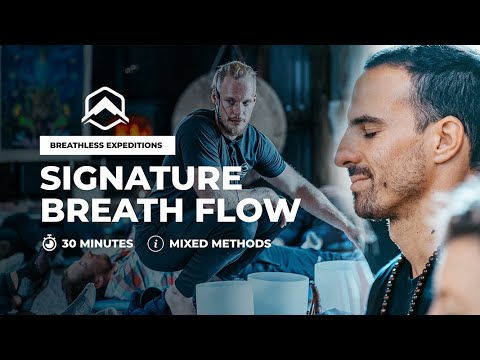
You know how sometimes life feels like it’s just a bit too much? Like, your mind’s racing, and you can’t catch a break?
Well, if I told you that something as simple as breathing could help with that, would you believe me? Seriously.
Breathwork is where it’s at. It’s not some fancy yoga class or a mystical ritual. It’s just about tuning into your breath and using it to elevate your mood and clear your head.
Imagine feeling lighter, more present, and way less overwhelmed. That’s what we’re talking about with this “Breathing Gym” thing.
So let’s take a deep breath together and explore how this can totally shift your mental health game!
Unlocking Mental Wellness: The Transformative Power of Breathwork for Better Mental Health
Breathwork is becoming a popular tool for mental wellness, and for good reason! It’s all about using your breath to help you feel better, both physically and emotionally. But what exactly does that mean? Well, you know how sometimes you feel anxious or stressed? Just taking a moment to focus on your breathing can really shift your mood.
Breathwork techniques usually involve specific patterns of inhaling and exhaling to calm the mind or energize the body. Some folks find it helpful for clearing their heads, while others use it during moments of overwhelming stress or anxiety.
When practicing breathwork, you might try things like deep belly breathing, where you fill up your stomach instead of just your chest. This type of breathing can trigger relaxation responses in your body. And seriously, it’s amazing how much a few deep breaths can change how you feel. Imagine sitting in a meeting, feeling totally overwhelmed. You take a moment to breathe deeply and suddenly feel more grounded.
There’s science behind this too! Research shows that controlled breathing can actually lower levels of stress hormones like cortisol. Less stress means better mental health overall. What happens is when we control our breath, we activate our parasympathetic nervous system—basically telling our bodies to chill out.
Another benefit? Breathwork can enhance mindfulness. It helps you stay present and focused on the here and now instead of spiraling into thoughts about what’s next or what went wrong in the past. Just think about being in nature or enjoying time with friends—often those moments come from being fully engaged with your experience.
Sometimes people use breathwork alongside therapy. You know how therapy can sometimes feel intense? Integrating some breath techniques into those sessions can create a space for emotional release and healing without feeling too overwhelming.
Here are a few simple ways you could start practicing:
- Diaphragmatic Breathing: Sit comfortably and place one hand on your belly. Breathe in slowly through your nose, allowing your belly to rise, then exhale through your mouth.
- Nostril Breathing: Close one nostril with a finger and inhale through the other side; then switch sides for an exhilation.
- Box Breathing: Breathe in for four counts, hold for four counts, breathe out for four counts, then hold again before inhaling.
Giving yourself even just 5-10 minutes of focused breathwork each day could lead to some pretty uplifting changes over time. It’s kind of like giving your mind its own little spa day!
Ultimately, integrating breathwork into daily life doesn’t have to be complicated or time-consuming—not at all! Find what works for you and keep showing up for yourself because that’s what really matters in nurturing mental wellness.
Box Breathing vs. 4-7-8 Technique: Which Breathing Exercise Enhances Mental Wellness?
So, let’s chat about breathing exercises—specifically, Box Breathing and the 4-7-8 Technique. Both of these methods are designed to help you chill out and boost your mental health. Seriously, taking a moment to focus on your breath can make worlds of difference when life gets a little crazy.
First up is Box Breathing. This one’s easy to remember. You inhale for four seconds, hold that breath for four seconds, exhale for four seconds, and then hold again for four seconds. Just picture a box! You basically want to create that rhythm. This technique is great because it gives your mind something to latch onto—the counting helps keep those pesky thoughts at bay. Many folks find it really useful when they’re feeling stressed or need a quick reset during the day.
On the other hand, we have the 4-7-8 Technique. It’s got a slightly different vibe. Here’s how it works: you breathe in for four seconds, hold your breath for seven seconds, and then blow it all out over eight seconds. The idea is to lengthen the exhale more than the inhale which kind of tricks your body into relaxing. You know? It’s like saying “Hey body! Chill out!” This technique often gets recommended for helping with sleep issues and anxiety since that longer exhale activates your parasympathetic nervous system—think of it like hitting the brakes on stress.
Both techniques have their perks but also serve slightly different purposes:
- Focus: Box Breathing keeps you centered and focused—ideal before a big meeting or presentation.
- Anxiety Relief: 4-7-8 goes deeper into relaxation, so it’s perfect if you’re feeling overwhelmed or restless at night.
- Simplicity: Box Breathing is straightforward and can be done anywhere without drawing attention.
- Sedation: The 4-7-8 technique might be better suited when you’re trying to settle down after an active day.
A little story comes to mind here—last month, my friend Lisa was having some serious work stress. Her boss was piling on deadlines like there was no tomorrow. One night she couldn’t sleep at all! So I suggested she try the 4-7-8 method before bed. A week later, she said she finally started getting some good shut-eye after using that technique regularly!
What really matters in choosing between these techniques is what feels right for you personally. Seriously! If you’re looking for focus during your day-to-day grind, go with Box Breathing; it might be just what you need to clear those racing thoughts. But if you feel like you’ve got some anxiety keeping you up at night? The 4-7-8 could wind down that overactive brain.
In summary, each breathing exercise has its flair depending on what you’re hoping to achieve—so why not give both a whirl? Whether it’s a calm center or deep relaxation you’re after, tuning in to our breath can truly enhance mental wellness in everyday life!
Is Box Breathing Safe? Understanding the Risks and Benefits for Mental Wellness
Box breathing, or the four-square breathing technique, has been gaining popularity as a way to enhance mental wellness. You might be wondering if it’s safe and what risks, if any, come with it. So, let’s break it down.
First off, box breathing is all about controlling your breath. You inhale deeply for a count of four, hold for four, exhale for four, and then hold again for another four. Pretty simple, right? Doing this helps calm your mind and body.
But is it safe? For most people, yes! It’s generally seen as a safe practice to incorporate into your daily routine. Many find it effective in reducing stress and anxiety—something we could all use from time to time.
However, there are some important things to keep in mind. If you have certain health conditions like asthma or other respiratory issues, you might want to approach box breathing with caution. Sometimes holding your breath can cause discomfort or even panic if you’re not used to it. Seriously, I remember trying out a breath control technique once and feeling lightheaded—it was like my brain was saying “What on earth are you doing?”
Here are some key points to consider:
- Benefits: It promotes relaxation and can help lower your heart rate.
- Anxiety Relief: Many people report feeling calmer after practicing.
- Mental Clarity: Regular practice may improve focus and concentration.
Now onto the risks. Even though box breathing seems harmless for most folks, there are exceptions:
- Panic Attacks: If you’re prone to panic attacks or anxiety disorders, holding your breath could trigger symptoms.
- Dizziness: Some people might feel dizzy or lightheaded when starting out.
So here’s the thing: if you’re new to this kind of stuff or have underlying health issues, it’s always a good idea to chat with a healthcare professional first before diving into any new practices.
You know, breath is something we all do without thinking about it. It’s automatic, like our heart beating or blinking. But what if I told you that just by focusing on your breath, you can actually boost your mental health? That’s where breathwork comes in, and it’s kind of amazing how much power we have right under our noses—literally!
I remember the first time I tried a breathing exercise. I was feeling super overwhelmed with work and life in general. Just this constant buzz of anxiety swirling around my head, you feel me? So, a friend suggested I join her for a session focused on breathwork. Honestly, I was skeptical at first. How could simple breathing help me? But as soon as I started paying attention to my inhales and exhales, something shifted. It was like turning down the volume on all those frantic thoughts.
Breathwork can take many forms—it might be deep diaphragmatic breathing or more dynamic styles like holotropic breathing that really gets your heart racing. Each type has its own vibe and can help with different things—stress reduction, emotional release, mental clarity—you name it! By engaging with our breath intentionally, we’re kind of signaling to our body that it’s okay to chill out.
So picture this: You’re in a cozy room with soft lighting and calming music playing gently in the background. You start breathing deeply; inhale for four counts, hold for four counts, then exhale for six counts. It feels slow at first; your mind might wander to the grocery list or tomorrow’s meeting—but then there’s this moment when everything melts away . . . those nagging thoughts start fading into the background.
The cool part is that these techniques are totally portable! You can practice them anywhere. In line at the grocery store? Take a few deep breaths! Stuck in traffic? Yep—breathe through it. It’s all about reestablishing that connection between your body and mind.
As someone who often gets lost in overthinking—trust me when I say—the simplest stuff often holds the most power. Breathwork isn’t some fancy therapy session; it’s just you getting back to yourself amidst chaos.
So next time life feels like it’s spinning out of control—or even if it’s just an ordinary day—give some mindful breathing a shot! Who knows? You might just find that peace is only a few breaths away.