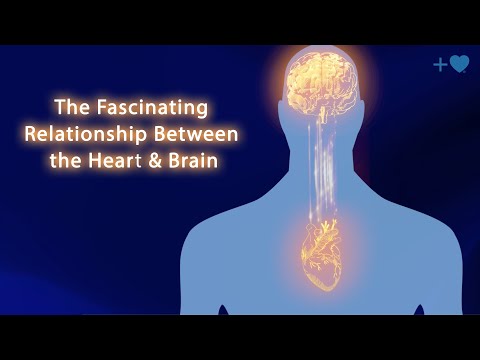
You know those days when your heart feels like it’s racing for no good reason? Or when your mind is buzzing like a beehive? Yeah, that’s the mind-heart connection doing its thing.
Sometimes it’s wild how our emotions and breathing are linked. Like, have you ever noticed how you share your biggest laugh and suddenly feel lighter? That’s what I mean.
Breathing isn’t just for staying alive; it helps keep your emotions in check, too. Seriously! Just taking a moment to breathe can shift everything.
So, let’s chat about how we can use our breath to balance those heavy feelings. It might just change the way you handle stress or anxiety. Sound good?
Mastering Calm: Understanding the 3 3 3 Rule for Anxiety Relief
Anxiety can feel like this heavy fog that just rolls in and makes everything harder, right? One technique people often talk about to help clear that fog is the **3 3 3 Rule**. It’s simple, but powerful. Basically, it’s all about grounding yourself when things get a bit too much.
Here’s how it works. First, you look around and notice **three things** you can see. Maybe it’s the color of a chair, a picture on the wall, or even a tree outside. Just take a moment to really see them. This helps pull your focus away from what’s stressing you out.
Next up, you listen for **three sounds**. This could be the hum of your fridge, distant chatter outside, or even your own breathing. Just let those sounds wash over you. It’s like tuning into the world around you instead of getting lost in anxiety’s chaos.
Finally, touch **three things** nearby. Maybe it’s the surface of your desk, your clothes, or your hair. Feel their texture and temperature; this brings you back into the moment and away from overwhelming feelings.
You might be wondering why this works so well. It turns out that anxiety often makes us feel disconnected from reality—like we’re floating in our thoughts rather than being present in our bodies and surroundings. The **3 3 3 Rule** helps bridge that gap by engaging your senses and grounding you.
Here are some reasons why this method can be so effective:
- Reduces Overwhelm: When you’re anxious, everything can seem huge and insurmountable. Focusing on small details shifts your perspective.
- Encourages Mindfulness: This practice nudges you toward living in the moment instead of worrying about what’s next or what has already happened.
- Connects Body and Mind: Engaging with your senses links physical sensations to emotional experiences—it reminds you that you’re here now.
So let me tell ya—one time I was feeling super anxious before giving a presentation at work. My heart was racing like crazy! I remembered this technique and took a minute to look around the conference room: I noticed three framed photos on the wall (they had really unique frames!), then listened for sounds (the click of keyboards), and touched my notes (they were kind of warm). By the time I stood up to present, I felt way more centered; like I had taken my anxiety down several notches.
It might take some practice to get used to this rule—or any new calming strategy—but give it some time! The key here is to remember that even during moments when everything feels chaotic inside your head, there are always ways to guide yourself back to calmness with simple tricks like these!
Exploring the Connection Between Breathing Techniques and Emotional Well-Being
Breathing techniques and emotional well-being? Yeah, that’s an interesting connection. Have you ever noticed how taking a deep breath can sometimes instantly chill you out? It’s not just in your head; there’s real science behind it. Basically, when you focus on your breathing, you’re, like, sending signals to your brain that everything’s cool. It helps manage stress and boosts your mood.
When we talk about the mind-heart connection, we’re really emphasizing how our emotional state affects our physical health and vice versa. Stress and anxiety can lead to tightness in the chest or even heart problems. But guess what? Proper breathing techniques can help bring some balance back into play.
- Deep Breathing: This is super simple yet powerful. Just inhaling deeply through your nose and exhaling slowly can slow down your heart rate. It kind of tricks your body into feeling relaxed.
- Box Breathing: This technique is about creating a square pattern with your breath. You inhale for four counts, hold for four counts, exhale for four counts, and hold again for four counts before repeating. It’s like giving your mind something to focus on.
- Diaphragmatic Breathing: Here’s where it gets a little technical but hang with me! You breathe deeply into your belly instead of just puffing out your chest. This activates the relaxation response in your body more effectively.
You know, I once had this friend who had serious anxiety issues before public speaking—like major sweating and shaking! One day, she decided to try deep breathing right before going on stage. She told me that just pausing to take a few deep breaths helped ground her when she felt her heart racing out of control.
So why does this work? Well, when you breathe deeply, it activates the parasympathetic nervous system. That’s the part responsible for calming you down after stress kicks in. It lowers cortisol levels (that’s our main stress hormone) while increasing oxygen flow to your brain—pretty neat stuff!
Incorporating these techniques into daily life can make a big difference too. For instance, try taking a few minutes each morning or evening just to breathe consciously—like sitting there without distractions and tuning into your breath. Over time, this can help develop resilience against stress.
Also remember that everyone is different; what works wonders for one person might not do much for another. It’s all about finding what clicks with you personally! And honestly, if you’re ever feeling overwhelmed by emotions or situations around you, remember: it’s okay to pause and take some breaths.
In sum, embracing these breathing techniques could offer a little gift back to yourself—a way of enhancing not only emotional balance but overall well-being too! So keep an open mind about it—you never know how much good some simple breaths might do for you in tough moments.
Mastering Heart-Focused Breathing: The First Steps to Cultivating Positive Emotions
So, let’s talk about heart-focused breathing. It might sound a bit woo-woo at first, but trust me, it’s pretty solid when it comes to boosting your emotional health. You know how sometimes, when you’re stressed or anxious, it feels like your heart’s racing and you can hardly catch your breath? Well, heart-focused breathing is all about calming that chaos and connecting your feelings with your physical self.
When you focus on your breathing and the area around your heart, you’re essentially telling your body to chill out. Think of it as a gentle reminder to slow down. Here’s how you can start practicing it:
Step 1: Find Your Space
First things first—you want to be comfortable. Look for a quiet spot where you won’t be interrupted. Maybe it’s on the couch with a cozy blanket or sitting by a window where you can enjoy some fresh air.
Step 2: Get Comfortable
Sit or lie down in a way that feels good for you. Relax those shoulders and just let your body settle. Seriously, no need to overthink this part!
Step 3: Shift Your Focus
Now here comes the heart part! Close your eyes gently and take a moment to notice how you’re feeling right now. Then shift your attention to your chest area—imagine drawing breath into that space.
Step 4: Breathe in Peace
Take a slow, deep breath in through your nose… and visualize that air filling up around your heart. Hold for just a second then gently breathe out through your mouth like slowly letting go of tension.
Step 5: Repeat & Embrace
Keep this going for several minutes—aim for five if you can! As you breathe in and out, let positive feelings come into focus—maybe gratitude or love—and really feel them settle into that heart space.
Here’s what happens next: as you keep practicing heart-focused breathing, you’ll likely notice changes in how emotions hit you day-to-day. Stressful moments might feel less overwhelming; anger could transform into understanding; anxiety may ease up altogether.
The cool part? This technique connects directly with what scientists call the «mind-heart connection.» Basically, it means our emotions are closely tied to our physical state—and vice versa! When we tend to one aspect (like our breathing), we help balance the other (our emotions).
But remember, consistency is key! Like any skill worth having, this takes practice. It won’t happen overnight—but seriously, give yourself grace along the way.
Practicing heart-focused breathing regularly can open up pathways for positive emotions. You’ll find yourself more resilient during tough times and open-hearted during joyful ones.
And hey, this isn’t just theory; tons of folks have seen real benefits from giving their hearts some tender love care through this method. So why not give it a shot? You might end up pleasantly surprised by how balanced and peaceful life can feel when you’re tuning into both mind and heart together.
You know, there’s something kind of magical about the way our minds and hearts work together. Like, have you ever noticed how your emotions can really mess with your breathing? When you’re anxious or stressed, you might catch yourself holding your breath or breathing really shallow. It’s wild how our bodies respond to what’s going on up there in our heads.
I remember a time when I was going through a tough breakup. I was all over the place—sad, angry, confused. One day, while trying to calm down, I took a moment to just focus on my breath. At first, it felt strange but slowly it became this grounding thing for me. I’d inhale deeply and feel my chest rise and then exhale all that pent-up emotion. It was like I was giving my heart and mind a little tune-up.
The connections between your emotions and physical reactions are pretty fascinating. Seriously, breathing can serve as this bridge between the chaos in your mind and the feelings in your heart. By paying attention to how you breathe, you can actually cultivate emotional balance. So if you’re feeling overwhelmed or stuck in a loop of anxiety or sadness—trying some deep breaths might help clear things up.
And it’s not just about feeling better in the moment; over time, incorporating conscious breathing into your routine can help rewire how you respond to stressors. When you breathe deeply—filling up your belly and then slowly releasing—you’re sending signals to your brain that it’s okay to relax. It’s like telling yourself that everything’s cool.
So yeah, tapping into that mind-heart connection through something as simple as breathing can be pretty transformative. Next time you’re feeling all those heavy emotions tugging at you, remember that sometimes a few deep breaths are all it takes to bring you back to center.