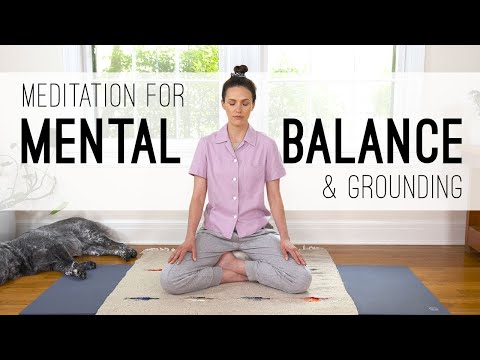
You know those days when your mind feels like a jumbled mess? Like, seriously, thoughts racing everywhere and you can’t even find a moment to chill?
Well, breathing meditation might just be your new best friend.
It’s super simple and honestly kind of magical. You take a few moments to focus on your breath, and bam! Things start to clear up.
I remember this one time when I was juggling way too much—work, relationships, you name it. I tried this breathing thing out, and wow, it felt like someone hit the reset button in my brain!
If you’re craving some mental clarity and emotional calm, stick around. Let’s get into how breathing meditation can help you feel more centered and balanced.
Breathing Techniques for Enhanced Mental Clarity: A Guide to Mindful Breathing
Breathing techniques can really make a difference when it comes to mental clarity and emotional balance. You know how, when you’re feeling overwhelmed or stressed, everything seems clouded? Well, a few mindful breaths can help clear that fog right up. Seriously, it’s amazing what focusing on your breath can do.
First off, let’s talk about **what mindful breathing actually is**. Basically, it’s just being aware of your breath and using it as a tool to bring your mind back into the present moment. When you pay attention to how air flows in and out, it’s like hitting the reset button for your brain. You might find yourself feeling less anxious and more focused after just a few minutes.
Here are some methods you might find helpful:
- 4-7-8 Breathing: Inhale through your nose for 4 seconds, hold that breath for 7 seconds, then exhale slowly through your mouth for 8 seconds. This technique calms your nervous system.
- Diaphragmatic Breathing: Place one hand on your chest and the other on your belly. Take deep breaths that make your belly rise instead of your chest. This helps engage the diaphragm and promotes full oxygen exchange.
- Nadi Shodhana: Also known as alternate nostril breathing. Close one nostril with a finger while inhaling through the other. Then switch sides. It’s kinda like giving each side of your body some love!
You see? Each technique can be done in as little as five minutes and fits pretty easily into most days.
I remember a friend who was always stressed about work deadlines; she couldn’t focus at all! One day she tried breathing exercises before her shifts, like the 4-7-8 method I mentioned earlier. It was game-changing! She found herself approaching her tasks more calmly and with clearer thoughts—we’re not talking about turning her into a Zen master overnight, but she felt more centered.
Breathwork also helps anchor our emotions—because let’s be real; life throws some heavy stuff at us sometimes. When you’re feeling overwhelmed or super anxious, taking even just a minute to breathe mindfully can help slow down those racing thoughts.
The science backs this up too! Studies show that focused breathing reduces anxiety levels by activating our parasympathetic nervous system—the part responsible for relaxation—and lowers cortisol levels (that stress hormone). So yeah, there’s actual brain chemistry at play here!
But hey, while these techniques are great for occasional anxiety relief or post-trauma grounding moments, they don’t replace therapy or professional help if you need it! They’re just tools in the toolbox to help you feel better day-to-day.
So next time you’re feeling cluttered mentally or emotionally out of sorts, take a moment to breathe deeply and mindfully—trust me; you’ll feel that lift once you start paying attention to those inhales and exhales!
Essential Breathing Meditation Techniques for Beginners to Enhance Mental Well-being
Breathing meditation is a simple yet powerful tool you can use to feel more grounded and emotionally balanced. Seriously, you don’t need a fancy app or even a quiet room to get started. Just you, your breath, and maybe a comfy spot to sit.
To begin with, focus on your breath. This might sound obvious, but it really sets the stage for everything else. Try sitting comfortably with your back straight but not too stiff. Take a deep breath in through your nose and let it fill your belly—like you’re blowing up a balloon. Then exhale slowly through your mouth. Doing this for even just a minute can help quiet the chatter in your head.
So here’s where it gets interesting:
. Instead of trying to breathe in any specific way, simply notice how you breathe naturally. Maybe it’s fast, maybe it’s slow—whatever it is, just observe it without judgment. Think of this as getting to know yourself better.
Another good technique is called counting breaths. It’s super helpful if you find your mind wandering. You can count each inhale and exhale up to ten, then start over again. Like if you breathe in and say «one,» then exhale “two,” and so on. If you lose track—it happens to everyone—just gently bring your focus back without getting frustrated.
And hey, if you’re feeling overwhelmed or anxious? Try some deep belly breathing. Sit down or lie down comfortably and place one hand on your belly and the other on your chest. As you breathe in deeply through your nose, feel that hand on your belly rise more than the one on your chest. That’s how deep breathing feels! The aim is to fill up as much of those lungs as possible. It can be such a game changer for calming anxiety.
Remember how I said this was simple? Even just dedicating 5-10 minutes each day can make a big difference in how you deal with stress or racing thoughts. It’s like giving yourself a mini-vacation from life for just a bit!
Don’t forget about visualization techniques, either! Picture something calm—like waves washing over the shore or leaves rustling in the wind—as you breathe in and out. This adds another layer of relaxation that helps further clear mental clutter while promoting emotional balance.
Incorporating these techniques into daily life doesn’t have to feel overwhelming either! You might try doing them first thing in the morning or right before bed—it’s all about what fits best into YOUR routine.
So there you have it! Breathing meditation isn’t just for yogis sitting cross-legged atop mountains; it’s something anyone can do anywhere at any time! Remember: with practice comes ease, so take it slow and enjoy the journey toward greater mental clarity and emotional well-being!
Mastering Anxiety: The Power of Breathing Meditation for Mental Well-Being
Anxiety can feel like a heavy backpack you’re lugging around, right? You know, the kind that just keeps getting heavier the more you try to ignore it? Breathing meditation is one way to lighten that load. It’s all about using your breath to find a bit of peace amid the chaos in your mind.
When you’re feeling anxious, your body goes into fight-or-flight mode. Your heart races, and you might start sweating. That’s when deep breathing comes in handy. It’s a simple tool. By focusing on your breath, you can send messages to your brain that it’s time to relax.
Here’s how breathing meditation works:
- Focus on Your Breath: Start by finding a comfortable spot. Close your eyes if you feel comfy doing that. Bring your attention to your breath. Feel the air flow in and out.
- Count Your Breaths: Inhale deeply through your nose for a count of four. Hold it for four counts, then exhale slowly through your mouth for six counts. This counting helps ground you.
- Release Tension: Visualize tension leaving your body with each exhalation. Picture it flying away like balloons drifting into the sky.
You might notice that within just a few minutes, things start calming down a bit. I remember my friend Jess dealing with anxiety before big presentations at work. She felt like she was about to explode every time she had to speak in front of people. One day she tried breathing meditation before her meeting and told me it was like flipping a switch; her nerves turned into calm energy.
Breathing doesn’t just help in stressful situations; it can also be part of a daily routine for long-term benefits—kinda like exercise for the mind! Incorporating just ten minutes each day can really boost your mood and mental clarity over time.
What’s cool is that there are different styles of breathing techniques too! For instance:
- The 4-7-8 Method: Breathe in for four seconds, hold it for seven seconds, and breathe out for eight seconds.
- Nadi Shodhana (Alternate Nostril Breathing): A yoga technique where you alternate closing off one nostril while breathing through the other—it sounds fancy but is super simple!
Each technique has its own flavor and purpose; some are good for calming nerves, while others sharpen focus or energize you.
And don’t worry if your mind starts wandering during practice; it’s totally normal! Just gently guide yourself back to your breath without judgment—think of it as training a puppy who keeps getting distracted by shiny things!
Over time, these practices help create new neural pathways in our brains associated with relaxation instead of anxiety—like teaching yourself an essential new skill!
So next time anxiety starts creeping up on you like an uninvited guest at a party, remember: all you’ve gotta do is breathe! It’s such an easy tool right at your fingertips—literally—and with some practice, you’ll find yourself better equipped to handle whatever life throws at ya.
Breathing meditation? Oh man, it’s one of those things that sounds super simple, but it can really turn your whole mental game around. You know how life gets hectic sometimes? It’s like you’re juggling a million different things, and then your brain feels like a shaken-up soda can—ready to explode at any moment. I’ve totally been there.
A friend of mine was going through a tough time last year. She was always anxious and felt like her thoughts were racing way too fast, you feel me? Then she stumbled onto breathing meditation. At first, she was skeptical. Who wouldn’t be? Just sitting there and focusing on your breath seems kinda boring or even silly. But she gave it a shot anyway.
The thing is, when you really focus on your breath—like taking deep inhales and longer exhales—you can feel the chaos start to calm down a bit. It’s like hitting the reset button in your mind. I remember visiting her one evening; she looked so much more relaxed! She shared how just five minutes of intentional breathing helped her find clarity in her swirling thoughts and reined in those overwhelming emotions.
While you’re doing this breathing stuff, it’s not just about oxygen or whatever — it’s about creating space in your head. A lot of people carry their stress or anxiety right in their chest, so this kind of meditation helps shift that weight around a bit. You start noticing how each breath feels and suddenly everything else fades into the background for a moment.
And honestly? It’s not all serious business either! Sometimes I catch myself giggling because I realize I’m getting lost in my own mind while trying to breathe deeply! But that’s okay too; it’s all part of the process.
So if you’re feeling foggy or emotionally all over the place, maybe give this breathing thing a shot. You might find something special hidden behind every inhale and exhale—like clarity waiting patiently for you to notice it! And who knows? Maybe it’ll help lighten that load you’ve been carrying around for far too long!