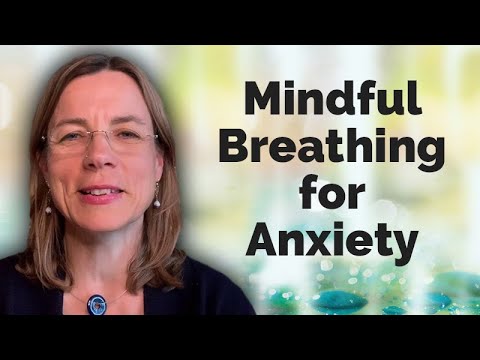
You know those days when anxiety just creeps in outta nowhere? It can feel like a weight on your chest, right?
Well, here’s something you might find handy: breathing meditation. Seriously, it’s not just some new-agey trend. It’s about getting grounded and finding calm, even in the chaos.
Imagine taking a moment to breathe deeply, letting everything else fade away. Sounds nice, huh? In this chat, we’ll dig into why breathing meditation can be a game-changer for managing anxiety.
So grab a comfy seat, and let’s take this journey together!
Essential Breathing Meditation Techniques for Beginners to Boost Mental Wellness
Breathing meditation is like a secret weapon for your mental health. Seriously, it can help you chill out and manage anxiety in a super simple way. You know how sometimes your mind goes all over the place? Well, focusing on your breath can ground you and bring you back to the here and now.
First off, let’s talk about the basics. The most common technique involves taking deep breaths. Just sit comfortably, close your eyes if that helps, and start by taking a slow, deep breath in through your nose. Hold it for just a moment, then let it out through your mouth. It’s like you’re filling up a balloon, then letting the air escape.
Here are some techniques that you can start with:
So why does this work? When you’re anxious or stressed, your breath tends to become shallow and quick—almost like you’re running from something! Slowing it down sends signals to your brain that everything’s okay. It’s like telling yourself to take a breather — literally.
Imagine you’re at work, stressing over an upcoming presentation. Your heart’s racing; thoughts are spinning like crazy! Instead of spiraling deeper into panic mode, take five minutes: find a quiet space and try one of these techniques. You might discover that when you come back to reality after focusing on your breathing, things don’t seem as bad as they did before.
The beauty of breathing meditation? You can do it anywhere! Stuck in traffic? Take some deep breaths instead of honking at everyone around you. At home feeling overwhelmed? Close those eyes and breathe away.
Remember: meditation isn’t about making all thoughts disappear; it’s about noticing them without judgment and gently bringing yourself back to focus on the breath whenever your mind wanders off track.
With regular practice—like incorporating these breathing techniques into daily routines—you’ll notice improvements not just in managing anxiety but also in overall mental wellness too.
So give it a whirl! Your mind deserves some TLC just like everything else in life does.
Ultimate Guide to Mindfulness Exercises for Anxiety: Free PDF Download
Mindfulness exercises can be super helpful for managing anxiety, and breathing meditation is a fantastic tool in this area. It’s all about tuning into your breath and letting go of those racing thoughts. You know how sometimes your mind feels like it’s running a marathon? Well, breathing meditation helps to slow it down.
When you focus on your breath, you’re bringing yourself back to the present moment. This can be a game changer! Here’s how you can get started with some simple breathing exercises:
1. Basic Breathing Exercise
Find a comfy spot to sit or lie down. Close your eyes if you’re comfortable doing that. Now, take a deep breath in through your nose, feeling your belly expand. Hold it for just a moment, then slowly breathe out through your mouth. Picture the air leaving your body as if you’re blowing out candles on a cake.
Do this for about five minutes, and notice how it feels.
2. Counting Your Breaths
This one is cool because it gives you something to focus on! Start the same way as before—get comfy and close those eyes if you want. Inhale deeply while counting «1.» Exhale slowly while counting «2.» Keep going like this up to 10 and then start again at 1.
If you lose count? No problem! Just start back at 1 without stressing too much.
3. 4-7-8 Breathing Technique
For this exercise, you inhale for four seconds through your nose, hold that breath for seven seconds, then exhale through your mouth for eight seconds. This might feel challenging at first but trust me; it becomes easier with practice.
It’s really calming and can even help with sleep!
4. Body Scan
Now this one’s a bit different but super effective too! Lie down comfortably and start focusing on each part of your body from head to toe. Take deep breaths and consciously relax each area—your forehead, shoulders, hands…just let go of any tension as you breathe out.
Doing this regularly helps connect both mind and body and brings awareness to where you’re holding stress.
These techniques can help lower anxiety levels by allowing you to center yourself instead of spiraling into worry or panic mode. And remember: practice makes perfect—don’t get discouraged if it doesn’t feel easy right away!
So the next time you’re feeling anxious or overwhelmed? Just take a moment to breathe deeply or try one of these exercises. It’s all about finding what works best for *you*. Being mindful isn’t just trendy; it’s an incredible tool when anxiety barges into our lives uninvited!
10 Essential Mindfulness Exercises: Download Your Free PDF Guide
Mindfulness exercises are all about being present, and they can be super helpful for managing anxiety, especially techniques like breathing meditation. Seriously, it’s like hitting the pause button on your racing thoughts. So, let’s get into some mindfulness exercises that can help you find your calm.
1. Deep Breathing
This is the classic one. You sit comfortably, close your eyes if you want, and take a deep breath in through your nose. Hold it for a moment, then slowly exhale through your mouth. Just focus on the air coming in and out. You might notice how this simple act slows everything down.
2. 4-7-8 Breathing
Here’s a fun variation! Inhale for 4 seconds, hold for 7 seconds, and exhale for 8 seconds. Sounds easy? Give it a shot! It’s like embracing a mini relaxation session right there.
3. Body Scan
Lie down or get comfy in a chair. Start at your toes and work your way up to your head, tuning in to how each part feels—tight? Relaxed? This will help you become aware of where tension lives in your body.
4. Mindful Walking
Instead of just rushing from point A to B, try walking slowly and paying attention to how each step feels against the ground. Feel the movement of your legs and arms; it’s pretty grounding.
5. Noting Thoughts
When thoughts pop up (and they will), just note them without judgment—like saying “thinking” or “worrying.” Then gently return to focusing on your breath or whatever you were doing.
6. Guided Visualization
Close your eyes and imagine yourself in a peaceful place—a beach maybe? Picture every detail: the sounds of waves, the feel of sand underfoot—it’s like taking a mini vacation without leaving home!
7. Mindful Eating
Next time you snack, slow down! Take tiny bites and really savor each flavor instead of shoving food down mindlessly while scrolling through social media.
8. Gratitude Journaling
At the end of each day, jot down three things you’re grateful for—even small stuff counts! It shifts focus from anxiety toward what feels good in life.
9. Progressive Muscle Relaxation
Tense each muscle group for a few seconds before releasing them—start from your toes up to your head or vice versa! It’s kind of like giving yourself an internal hug.
10. Mindful Listening
When chatting with someone or even listening to music, fully engage with what you hear—don’t just let it wash over you but really tune into it.
These exercises are not magic cures but can be real game changers when dealing with anxiety! The more you practice them, the easier they’ll become—and soon enough, they’ll blend into your daily routine like second nature!
You know how sometimes anxiety can feel like a runaway train? It’s like your thoughts start speeding down the tracks, and before you know it, you’re in this whirlwind of worry. I’ve definitely been there. Just last week, I found myself pacing my apartment, heart racing over some work deadlines that seemed impossible. Then, I remembered something simple yet powerful: breathing meditation.
Breathing meditation is like a little mental reset button. It’s amazing how just focusing on your breath can bring you back to the present moment. The thing is, when you’re caught up in anxious thoughts, the future feels overwhelming. But when you take a minute to breathe deeply and intentionally, it feels like someone pulled the brakes on that train.
So here’s how it usually goes for me: I find a quiet corner—could be my couch or even sitting on my bed—and close my eyes. I take a deep breath in through my nose, hold it for just a second, then slowly breathe out through my mouth. After just a few rounds of this, I start to feel lighter. My thoughts might still be swirling around but they don’t grip me quite as tightly anymore.
It’s kind of funny because breathing seems so simple—like everyone does it without thinking—but when you do it mindfully? That’s where the magic happens. You shift your focus from all those chaotic thoughts to something grounding and steady: your breath.
I remember one time during an especially stressful week at work; everything felt like too much. So I decided to set aside just five minutes for this breathing meditation before diving into projects again. To be honest, at first, I was skeptical if it would help much at all. But after those precious few minutes of letting go and focusing solely on inhaling and exhaling, I felt surprisingly calm and collected when tackling my tasks afterward.
It’s not always about completely erasing anxiety—because let’s face it; that’s pretty unrealistic—but rather learning to manage it better. Using breathing meditation as a tool allows you to observe those anxious feelings without being swept away by them.
Look, I’m not saying it’s going to solve everything overnight or replace therapy or anything serious if you’re struggling hard. But finding moments throughout your day to check in with your breath? That’s definitely worth trying out. It can create space between you and those whirlwinds of thought—just enough room to catch your breath and gather yourself again!