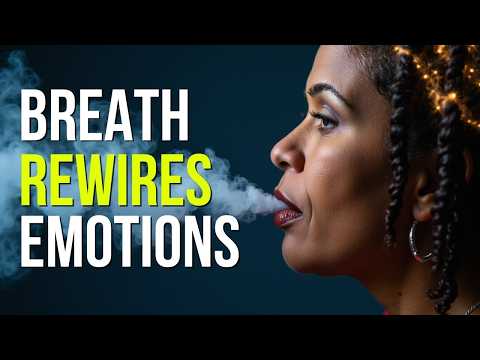
You know when life feels, like, just a bit too much? Yeah, we’ve all been there.
Sometimes it’s that nagging anxiety creeping in or just overwhelming stress.
But guess what? There’s this simple tool right at your fingertips: breathing.
I’m not talking about just any breathing; I mean really focusing on it. It can change how you feel, no joke.
Think about those deep breaths you take when you’re trying to chill out. They actually work wonders!
In this chat, we’ll explore how honing your breathing skills can seriously boost your mental wellbeing.
So, grab a comfy seat and let’s breathe our way to feeling better together!
10 Effective Breathing Exercises to Reduce Stress and Boost Mental Well-Being
Breathing exercises can be like a secret weapon against stress. It’s wild how something we do naturally can actually help us feel more chill and focused. You know, when life gets hectic, taking a moment to focus on your breath can just shift your whole mood. Let’s check out some effective breathing techniques that can really make a difference.
1. Diaphragmatic Breathing
This one is all about using your diaphragm properly. Place one hand on your belly and the other on your chest. Inhale deeply through your nose, letting your belly rise while keeping your chest still. Exhale slowly through your mouth. It’s like filling up a balloon in your belly! Seriously, it calms you down fast.
2. 4-7-8 Breathing
This method is pretty cool and simple! You breathe in through your nose for 4 seconds, hold for 7 seconds, then exhale through your mouth for 8 seconds. It’s almost as if you’re hitting the reset button on stress—try it before bed for better sleep!
3. Box Breathing
Imagine drawing a box with your breath! Inhale for 4 seconds, hold for 4 seconds, exhale for 4 seconds, and hold again for 4 seconds before repeating. This exercise helps ground you, especially in overwhelming situations—like when you’re trapped in traffic.
4. Equal Breathing
Just as it sounds! Inhale and exhale for the same count; start with maybe 3 or 4 seconds each way. This promotes balance and clarity of thought—perfect before tackling any big tasks at work or school.
5. Alternate Nostril Breathing
Okay, this one is neat! Use your thumb to close one nostril while inhaling through the other, then switch and exhale from the opposite side. Do this several times to center yourself; it brings balance to both sides of the brain—impressive stuff!
6. Pursed Lip Breathing
You’ve probably seen someone do it without even knowing it! Breathe in through your nose slowly and then purse your lips like you’re blowing out a candle as you exhale slowly through them—not too quick now! This helps keep airways open longer; hence more oxygen gets absorbed.
7. Progressive Muscle Relaxation with Breathing
This combines breathing with muscle relaxation! While inhaling deeply, tense up a muscle group (like fists or shoulders) tightly as you can, then release them while exhaling slowly—it feels amazing afterward!
8. Sighing Breath
Feeling stressed? Try this: take a deep breath in through the nose and exhale with an audible sigh through the mouth—ahhhh! It sounds silly but releases pent-up tension almost instantly.
9. Visualization Breaths
Breathe deeply while imagining inhaling calmness or peace—a color that represents relaxation might help too—and exhaling stress or negativity like dark smoke drifting away. It adds an extra layer that feels powerful—you follow me?
10. Candle Breath
Picture this: You have a candle lit right in front of you (or imagine one). Inhale deeply; then blow softly at the “flame” without blowing it out completely—that gentle control keeps things steady and calms down racing thoughts.
So there you go; these breathing exercises are super handy tools to reduce stress and boost mental well-being anytime—seriously! Don’t underestimate what just slowing down can do for you; give them a shot next time life gets overwhelming!
10 Effective Breathing Exercises for Anxiety: Free PDF Guide to Calm Your Mind
Breathing exercises can be a total game-changer when it comes to managing anxiety. It’s wild how something so basic, like taking a breath, can have such a powerful impact on your mental state, right? The thing is, deep breathing helps calm your nervous system. When you focus on your breath, it signals to your brain that it’s time to chill out.
Here are some effective breathing techniques you might find helpful:
- Diaphragmatic Breathing: This one’s all about engaging your diaphragm. Sit or lie down comfortably and place one hand on your chest and the other on your belly. Inhale deeply through your nose, allowing your belly (not your chest) to rise. Exhale slowly through pursed lips. It’s like a mini retreat!
- 4-7-8 Breathing: This technique is super simple but effective. Inhale for 4 seconds, hold that breath for 7 seconds, then exhale slowly for 8 seconds. Repeat this cycle a few times. You’ll feel like you’re floating after just a few rounds.
- Nostril Breathing: Close one nostril with your thumb and inhale deeply through the other side. Then switch sides and exhale through the opposite nostril. This technique balances your energy and helps clear the mind.
- Pursed Lip Breathing: Inhale through your nose for about two counts; then pucker your lips as if you’re going to whistle and exhale slowly and gently for four counts. It helps regulate oxygen flow and slows down your breathing.
- Belly Breathing: Similar to diaphragmatic breathing but with focus on expanding the belly during inhalation while lying down or sitting relaxed; this makes it easier to let go of tension.
- Box Breathing: Inhale for 4 counts, hold for 4 counts, exhale for 4 counts, then hold again for another 4 counts before repeating. It’s like drawing a box with your breath—it creates structure in chaos!
- Counting Breath: Just inhale deeply and count up from one to five or more as you do it—this keeps you focused while promoting stress relief.
- Sighing Breath: Take a deep breath in through your nose, then let out a big sigh as you exhale with an audible sound—kind of like letting go of all that built-up tension!
- Candle Breathing: Imagine blowing out a candle gently instead of just puffing it out quickly; inhale deeply through the nose first before blowing out slowly with pursed lips—it’s calming.
- Loving Kindness Breathing: Start by taking deep breaths while focusing on someone you care about. Inhale positivity towards them; exhale any negativity away from yourself—it spreads good vibes!
It can feel strange at first if you’ve never really paid attention to how you breathe before, but give yourself some grace—you’ll get used to it! And remember that each technique might work differently depending on where you’re at emotionally or mentally at any given time.
One time I was feeling overwhelmed during finals week at college—seriously felt like my head was going to explode! I tried the 4-7-8 technique in my dorm room—I ended up feeling so much more grounded afterward.
So if you’re dealing with anxiety or just need an escape route from chaotic feelings now and then, these techniques could help bring some peace into those moments when everything feels too much.
Give yourself permission to breathe—it sounds simple but really embracing it can make such a difference! Honestly? There isn’t one correct way; just find what resonates most with you!
Transform Your Mood: Effective Breathing Exercises to Alleviate Anxiety and Depression
Breathing, huh? You might think it’s just something we do without even thinking about it, but the way you breathe can actually change how you feel. Seriously. When you’re stressed or down, your breathing often becomes shallow and quick. That can make everything feel worse! But there are some simple breathing exercises that can help you get back on track and calm those racing thoughts.
First off, let’s talk about diaphragmatic breathing. It’s also known as belly breathing. With this one, you’re using your diaphragm—y’know, that muscle under your lungs—rather than just your chest. When you inhale deeply through your nose, let your belly expand instead of sucking it in. You hold that breath for a few seconds and then slowly breathe out through your mouth. This exercise promotes relaxation and helps reduce anxiety.
Next up is the 4-7-8 technique. It’s super easy and goes like this: Inhale through your nose for a count of 4, hold the breath for 7 seconds (this might feel like forever at first!), and exhale through your mouth for a count of 8. The goal here is to create a rhythm that slows down your heart rate. Try doing this a few times when you’re feeling overwhelmed or slightly anxious.
Then there’s box breathing, which is awesome if you like structure! Picture a box: when you inhale for 4 seconds, that’s one side of the box; holding for 4 seconds makes the top; exhaling for 4 seconds forms the next side; and then holding again completes the box. Repeat this until you feel more centered. It’s like meditating but in a simpler format!
And let’s not forget about counted breaths. This one’s pretty straightforward: count each inhale and exhale up to ten. If you lose track or get distracted—totally normal! Just start over again from one. It creates focus and keeps those anxious thoughts at bay.
All these techniques are great for building awareness around how you’re feeling emotionally. I remember one night after a long day when I was spiraling into anxiety about work deadlines—I tried diaphragmatic breathing while lying on my bedroom floor (yeah, it was cozy). By just focusing on my breath instead of what was stressing me out, I felt calmer in no time.
So yeah, giving these exercises a shot could be beneficial whether you’re dealing with anxiety or depression—or maybe both at once! It takes practice to use them effectively: don’t sweat it if they don’t work right away or if they seem awkward at first.
Just remember to be patient with yourself while developing these skills—they really can turn things around if you stick with them!
Breathing, huh? Seems simple enough, right? But, honestly, it’s something we often take for granted. Just think about those moments when you’re feeling overwhelmed. Your breath tends to go all wonky—short and quick. That’s your body’s way of signaling you’re in fight-or-flight mode. But here’s the cool thing: tuning into your breath can really help with your mental wellbeing.
I remember a time when I was stressed out about work. It felt like I was drowning in deadlines and expectations. One day, a friend suggested I try some deep breathing exercises. At first, I was like, “Seriously? Breathing?” But dude, it actually helped! Just slowing down and focusing on my breath turned down the volume of my racing thoughts.
You know how it feels when you take a deep breath and let it out slowly? That sense of relief is something real. It’s like you can feel your shoulders drop a bit, the tightness in your chest easing up. By harnessing that simple act of breathing—taking deep breaths in through your nose and letting them out through your mouth—you can create this little bubble of calm around yourself.
But it’s not just about managing stress; breathing skills can also help with anxiety and even improve focus. If you’re sitting in class or at work feeling scattered, a couple minutes of conscious breathing can pull you back to the present moment. You’re hit with clarity instead of chaos.
It’s wild how something so basic can pack such a punch when it comes to our mental health. Next time life feels like too much, maybe give those breathing techniques a whirl—become besties with your breath! You might just find that your mind gets a little clearer and lighter along the way.