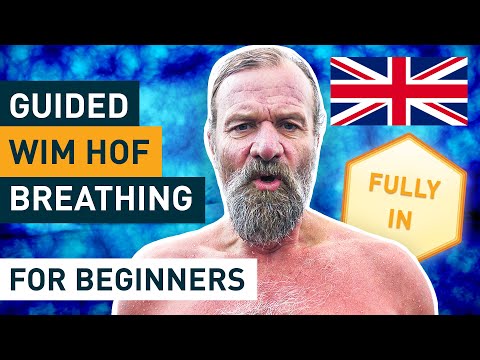
Hey there! So, let’s talk about something that sounds a bit out there but is super cool—Wim Hof breathing.
You know how life can be all kinds of stressful and overwhelming? Sometimes it feels like we’re juggling flaming swords while trying to keep our balance, right?
Well, this breathing technique might just be your secret weapon. Seriously, it can help you chill out when everything’s going nuts.
I mean, who doesn’t want a little more calm in their life? It’s like having a reset button for your brain.
You ready to dive into this? Let’s see how you can harness this breathing to build mental resilience and find some peace.
Exploring the Calming Effects of Wim Hof Breathing: A Guide to Mental Wellness
Wim Hof breathing, right? It’s gained a lot of buzz lately, and for good reason! Basically, it’s this technique that combines controlled breathing, cold exposure, and meditation. People say it helps with stress, anxiety, and even boosts mental resilience. Let’s unpack what this is all about.
First off, the basics. The Wim Hof Method consists of three main components: breathing exercises, cold exposure, and commitment (which is just a fancy way to say «stick with it»). The breathing part usually involves a series of deep breaths followed by breath retention. So you take about 30 quick inhales and exhales—kind of like blowing up a balloon—then exhale fully and hold your breath for as long as you can. Sounds simple enough, right?
Now you might be wondering why anyone would want to do this. Well, the calming effects come from how this method can alter your body’s response to stress. When you’re doing these breathing exercises, your body releases endorphins—it’s like a natural high! This can create feelings of euphoria or just plain relaxation. You’re basically training your nervous system to handle stress better.
And let’s talk about the science behind it for a sec. Research shows that controlled hyperventilation (which is what happens in Wim Hof breathing) can shift your body into a more relaxed state by decreasing levels of cortisol—yup, that pesky stress hormone. This means less anxiety over time.
Now here’s where it gets personal. Imagine you’ve had one of those days where everything feels overwhelming—work stress, relationship drama, whatever it is. You take ten minutes to practice Wim Hof breathing in your living room. After focusing on those breaths and feeling that rush of energy followed by calmness wash over you—you suddenly feel more centered. It’s kind of magical!
Plus, incorporating cold exposure, like taking cold showers or ice baths after the breathing exercises can amplify these effects even more! This whole combo trains your body to not only manage external stresses but also gives it a chance to recover better.
If you want to give this a go yourself—here are some key points to remember:
- Start Slow: Don’t rush into ice baths; build up gradually.
- Find Your Space: Pick somewhere quiet where you won’t be bothered during the exercises.
- Breathe Deeply: Focus on each inhale and exhale; let thoughts drift away.
- Stay Relaxed: It’s not about forcing anything; ease into the experience.
The idea here isn’t just about following steps—it’s also about connecting with yourself on a deeper level through this practice. People have shared stories where they felt more grounded afterward or found themselves able to tackle challenges with renewed vigor.
Anyway, if nothing else resonates with you from this method or makes sense in your life right now? That’s cool too! Just know there are many ways to explore mental wellness out there—and sometimes all it takes is one little technique like Wim Hof’s breathing to make a big difference in how we manage our minds and emotions day-to-day.
Unlocking Brain Benefits: The Impact of Wim Hof Breathing on Mental Health
So, let’s talk about Wim Hof breathing and how it can help your mental health. Seriously, this stuff is super interesting. It’s not just a trend; it’s got some real potential benefits for your mind.
Wim Hof, known as the «Iceman,» developed a technique that mixes breathing exercises, cold exposure, and meditation. The breathing method focuses on controlled breaths, helping you tap into your body’s potential. You take thirty quick inhalations and exhalations followed by a breath hold. It might sound simple, but there’s a lot happening in your body during this process.
The thing is, when you practice these breathing techniques regularly, it can lead to an improved mood and decreased anxiety levels. You know how sometimes life feels overwhelming? That’s where Wim Hof breathing can step in and help bring calm to the chaos.
Now, let me share a little story with you. A friend of mine used to struggle with anxiety leading up to big presentations at work. She felt overwhelmed—like her heart was racing and her mind was going a mile a minute. One day she decided to try Wim Hof breathing before her next big meeting. Just those few minutes of controlled breaths helped her feel grounded and focused instead of anxious and jittery.
This isn’t just anecdotal; there are studies backing up these claims too! Some research indicates that regular practice could lead to more resilient mental states over time.
And look, it doesn’t stop at just stress relief or focus enhancement; some people report improvements in overall well-being. They find themselves sleeping better and feeling more motivated in their daily lives.
But remember: it’s not magic. It won’t solve all your problems overnight. Like anything else related to mental health, it’s something you’ll want to integrate into your routine for lasting effects.
The bottom line? If you’re seeking tools to boost resilience or find calm amidst life’s storms, giving Wim Hof breathing a shot might be worth considering!
Exploring the Three Pillars of the Wim Hof Method: A Guide to Enhanced Mental Health and Resilience
The Wim Hof Method is kind of a big deal these days, especially for folks looking for ways to boost their mental health and resilience. So, what exactly are the three pillars of this method? Well, let’s break it down.
1. Breathing
First up is breathwork. Wim Hof’s breathing technique involves a series of controlled breathing patterns that help increase oxygen flow in your body. This isn’t just about taking deep breaths; it’s like a full-on reset for your system. When you practice this breathing, you might notice feelings of calmness or heightened focus. It’s like giving your brain a power-up!
Picture this: imagine feeling overwhelmed after a long day. You sit down, close your eyes, and follow the breathing routine—long inhales followed by short exhales. You start to notice that the tightness in your chest eases up and your mind quiets down. That’s the magic of it.
2. Cold Exposure
Next comes cold exposure, and yeah, this one can be tough for some people! The idea is to gradually introduce your body to cold temperatures—think cold showers or ice baths. What happens is that exposing yourself to cold can actually enhance resilience over time.
So maybe you start with a cool shower for 30 seconds and work your way up from there. It might sound crazy, but many people report feeling more energized afterward and even an uplifted mood! Over time, this practice can help you develop mental toughness because you’re learning how to handle discomfort.
3. Commitment
Finally, we have commitment. This pillar is all about mindset—being dedicated to practicing the methods regularly and sticking with it even when it feels hard or uncomfortable. Think of it as training not just your body but also your mind.
If you’re determined to incorporate these practices into your daily routine, you might notice some serious differences in how you handle stress or challenges life throws at you. Like when unexpected hurdles pop up at work or in personal life; instead of panicking or feeling defeated, you become more resilient and focused.
In summary, the Wim Hof Method brings together
,
, and
. By combining these three elements into your life, you’re actively working on enhancing not just physical health but mental well-being as well. So if you’re looking for new ways to cope with stress or build resilience against life’s ups and downs, this method could be worth exploring!
Alright, so let’s talk about this thing called Wim Hof breathing. You know, it sounds a bit out there at first—breathing techniques that make you feel like you can conquer mountains or something. But honestly, there’s more to it than just the hype.
I remember the first time I tried it. I was feeling all kinds of stressed. Life was throwing curveballs my way—work deadlines, personal stuff; just a whirlwind of chaos. So, a friend suggested I give this breathing method a shot. At first, I thought, “Really? Breathing?” But hey, what did I have to lose?
So I sat down and followed the steps: deep inhales and quick exhales. It felt strange but liberating at the same time. You start to feel this rush, almost like waking up from a long nap that you didn’t even know you needed. And there’s something powerful about feeling your chest rise and fall with each breath; it gives you a sense of control in the middle of life’s craziness.
What’s wild is how this method ties into mental resilience—and here’s where it gets interesting. You see, practicing Wim Hof breathing regularly can help you handle stress better. Instead of reacting impulsively or feeling overwhelmed (like we often do), you’re training your mind to pause, breathe deep, and reset.
The science behind it suggests that controlled breathing can lower stress hormones and increase dopamine levels. Basically, you’re giving your brain a little boost while calming those anxious vibes down.
And let me tell you, it’s kind of addictive in a good way! After incorporating these sessions into my routine—just 10 minutes or so—I felt more grounded. When things got hectic around me? Instead of spiraling into anxiety mode—I’d catch myself taking those deep breaths instead.
But don’t get me wrong; it’s not some magic trick that solves everything overnight. There are times when life still feels heavy or overwhelming—it happens to all of us! But having this tool in my back pocket? It’s like knowing how to ride a bike and suddenly finding yourself on the path to stability amidst chaos.
So if you’re looking for some calm in that stormy sea we call life, give Wim Hof breathing a whirl! You might find that harnessing your breath becomes one of your simplest yet most effective ways to build mental resilience—and who knows? Maybe even discover some hidden strength you’d never thought you had.