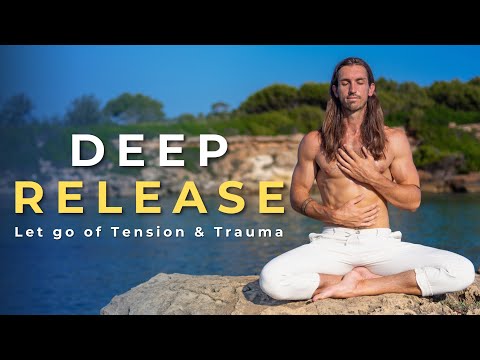
You know that feeling when, out of nowhere, a memory hits you hard? It’s like a wave crashing over you, dragging you back to a place you thought you’d left behind. Feels pretty heavy, huh?
Well, here’s the deal. Breathwork can be a real game changer when it comes to dealing with emotional trauma. Seriously. Just by focusing on your breath, you can tap into some deep healing.
Imagine sitting quietly and letting your breath guide you through those messy emotions. Sounds kinda nice, right? You might find out things about yourself that you never even knew were floating around in there.
So grab a comfy spot, and let’s chat about some awesome breathwork techniques that could really help lighten that emotional load.
Top Breathwork Techniques for Effectively Releasing Trauma
Breathwork is pretty powerful when it comes to handling trauma. You might be wondering how something as simple as breathing can actually help release old emotional baggage. Well, the thing is, breath is closely linked to our emotions. When we’re stressed or anxious, our breathing often becomes shallow and quick. But when you consciously control your breath? It can help shift your state of mind and body.
One technique that stands out is diaphragmatic breathing. This one’s all about deep breaths that engage your diaphragm instead of just filling up your chest. To do it, simply sit or lie down comfortably. Place one hand on your chest and the other on your belly. Now, inhale deeply through your nose so that your belly pushes out more than your chest rises. Exhale slowly through your mouth. You may feel a bit silly at first, but try it! It’s soothing.
Another cool technique is box breathing, which can really center you when you’re feeling overwhelmed. You basically inhale for a count of four, hold for four, exhale for four, and then hold again for four before inhaling again. Just picture it like drawing a square with your breath—super easy! This rhythmic pattern helps calm the nervous system and gives you time to collect yourself.
Then there’s holotropic breathwork, which goes a little deeper into emotional release. It involves faster-paced breathing combined with music, which helps facilitate a trance-like state where hidden feelings may surface. For some folks, this can be transformative. Just keep in mind that it’s often done in a group setting led by trained facilitators who provide support throughout the process.
You might also hear about pranayama, an ancient practice rooted in yoga. This includes various techniques to control breath like *Nadi Shodhana*, or alternate nostril breathing, which balances left and right brain activity. When you do this kind of focused breathing, you create emotional balance and clarity—a great combo for healing trauma!
Now here’s something practical: if you’re feeling anxious before trying these techniques or during them—totally normal! Just remind yourself to breathe through that anxiety too! Letting go isn’t always easy; it takes time and patience.
And remember this: everyone’s experience with breathwork will be different because we all come from different backgrounds and traumas. What works wonders for one person might not resonate with another—and that’s okay! So don’t hesitate to mix things up until you find what feels best for you.
In summary:
- Diaphragmatic Breathing: Engaging the diaphragm calms you.
- Box Breathing: A four-count rhythm brings focus.
- Holotropic Breathwork: Fast-paced breaths can unearth deep feelings.
- Pranayama: Balancing techniques enhance emotional healing.
Breathwork can truly be a game-changer in releasing trauma if approached patiently and mindfully. So whether you’re just starting out or diving deeper into these practices, keep experimenting until you find what resonates most with YOU!
Transform Your Emotional Healing: Effective Breathwork Techniques You Can Learn on YouTube
Breathwork has become this go-to technique for a lot of folks looking to heal emotional trauma. The thing is, it’s simple and you can literally just hop onto YouTube and find some great tutorials. But what exactly does breathwork involve? Let’s break it down.
What Is Breathwork?
So, breathwork is all about using your breath to improve your physical, mental, and emotional well-being. It might sound kinda fluffy, but it kinda works like a key that opens up all those locked doors in your mind and heart. Seriously, when you focus on your breathing, it can help you feel more grounded and connected.
Why It Helps with Emotional Healing
When we experience trauma or emotional stress, our bodies tend to hold on to that tension. You know that knot in your stomach or the tightness in your chest? Breathwork helps release that tension. By consciously changing how you breathe, you’re sending signals to your body that it’s safe to relax and let go.
Popular Breathwork Techniques on YouTube
There are various techniques out there; some of them are pretty well-known:
- Box Breathing: This method involves inhaling for a count of four, holding for four, exhaling for four, and then pausing for four again. It’s like creating a little box with your breath. Great for calming anxiety!
- Holotropic Breathwork: This one’s more intense and involves faster breathing patterns paired with evocative music. It’s been known to bring up some deep emotions—sometimes even memories from the past.
- Nadi Shodhana (Alternate Nostril Breathing): Here you’re alternating breaths through each nostril. It balances out energy in the body and can help clear the mind.
You’re probably thinking, “Okay cool, but does this really work?” Well, I’ve had friends who swore by box breathing when they were feeling anxious before a big presentation. The difference was night and day! They went from a nervous wreck to feeling composed and ready to tackle anything.
Anecdote Time!
I remember my buddy Sarah once trying holotropic breathwork during a rough patch after her breakup. She was hesitant at first because it felt weird—like how do you breathe fast for an extended time without hyperventilating? But she gave it a shot while watching an online session on YouTube anyway. After about 20 minutes of intense breathing paired with some soothing music, she ended up bursting into tears but felt this huge weight lift off her shoulders afterward. Sometimes you gotta release that stuff!
Cautions & Considerations
While breathwork can be super beneficial for many people, it’s not always sunshine and rainbows for everyone. If you’ve got serious anxiety issues or past trauma that’s still very raw or present without professional guidance—you might want to talk with someone first before diving into certain techniques.
To sum up—breathwork is accessible healing! Just grab your phone or computer, look up any of these techniques on YouTube, and see what resonates with you. Remember though: healing isn’t linear; be patient with yourself along the way!
Transform Your Healing Journey: Essential Breathwork Techniques for Overcoming Emotional Trauma (Free PDF Guide)
Breathwork techniques can be a game changer when it comes to dealing with emotional trauma. Seriously, just thinking about how we breathe can help shift our emotional state in profound ways. The cool thing is that it’s super accessible. You don’t need any fancy equipment or an appointment to get started.
What is Breathwork?
When we talk about breathwork, we’re really diving into a variety of breathing practices that help you reconnect with your body and calm your mind. These techniques often involve conscious breathing patterns—kind of like you’re taking charge of your breath rather than letting it happen on autopilot.
Why It Helps
You see, our breath is linked tightly to our emotions. When you’re anxious or upset, your breathing tends to become shallow and quick. But when you’re relaxed, it’s deep and slow. By practicing breathwork, you can switch from a stressed-out state to a more peaceful one. It’s almost like flipping a switch.
Essential Techniques
Here are some easy techniques to get you started:
- Diaphragmatic Breathing: This one’s all about breathing deeply into your belly rather than your chest. Place one hand on your chest and the other on your belly. Inhale through the nose for a count of four, letting the belly rise while keeping the chest still. Exhale through the mouth for a count of six.
- Box Breathing: Imagine drawing a box in the air as you breathe! Inhale for four seconds, hold for four seconds, exhale for four seconds, and hold again for four seconds before starting over.
- Nadi Shodhana (Alternate Nostril Breathing): This technique involves closing off one nostril while inhaling through the other, then switching sides after each breath. It’s great for bringing balance and calming your mind.
A Personal Touch
Let me share a quick story here—my friend Jake went through some heavy stuff after losing his job unexpectedly. He was stuck in this cycle of anxiety that just wouldn’t let up. After hearing about breathwork from someone at his yoga class, he decided to give it a shot during his breaks at work. At first, he felt silly doing these exercises alone in his office but eventually realized how much they helped ground him again.
After practicing daily for just a couple of weeks, he told me he felt more focused and less overwhelmed by stressors that once seemed massive.
The Science Behind It
When you practice these techniques regularly, they can actually change how your brain processes experiences related to trauma as well as emotional responses overall! Research shows that controlled breathing activates the parasympathetic nervous system—which calms down stress responses in the body.
A Final Reminder
If you’re dealing with emotional trauma or even just everyday stressors hanging around like unwelcome guests, trying out these breathwork techniques could be really beneficial for you. They’re simple enough to fit into any routine and can ultimately help reshape how you react emotionally over time.
So whenever life gets heavy or seems too much? Just remember: take a deep breath—or several! You got this!
Breathwork? Yeah, it sounds kind of fluffy at first, but honestly, it can be a game-changer for dealing with emotional trauma. I remember talking to a friend who was struggling with some heavy stuff from her past. She felt stuck, like she couldn’t really move forward. Then she gave this breathwork a shot and would you believe it? It opened up a whole new path for her healing.
So, here’s the deal: breathwork is all about using your breath intentionally to sort through those tangled emotions. And no, you don’t need to be some spiritual guru or anything. Seriously, it’s just about focusing on how you breathe and using that awareness to connect with your feelings.
There are different techniques out there—like diaphragmatic breathing or even more dynamic styles like holotropic breathing. Each one has its own vibe and can help you tap into emotions that’ve been hanging around way too long. It’s like unearthing layers of a cake; sometimes you don’t even know what’s embedded under the icing until you dig in.
I’ve seen people get emotional during these sessions—tears flowing or laughter bubbling up unexpectedly. Like my friend, who started off with this tightness in her chest whenever she thought about her past. After a few sessions of focused breathing, she said it felt like something had shifted; the weight lifted just a little, making space for hope and healing.
But look, it’s not all sunshine and roses! Breathwork can stir up some intense feelings too—it’s not unusual to feel overwhelmed by what bubbles to the surface. That’s absolutely okay; it just means you’re processing things that have been lurking in the back of your mind for ages.
Finding a good instructor can really help if you’re interested in trying it out. They’ll guide you safely through the process and help create that supportive environment where you can let go and breathe freely without judgment.
So if you’re carrying around emotional baggage—or know someone who is—maybe consider giving breathwork a shot. Just remember: you’re not alone on this journey; we all have our battles to face, and finding healthy ways to cope is crucial! Take that deep breath; there’s power in every inhale and exhale when it comes to healing those inner wounds.