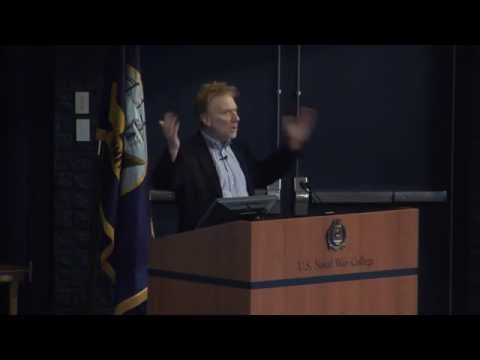
Hey, you know how life sometimes hits you with stuff that just totally shakes you up? Yeah, that’s trauma. And it can really mess with your head. But here’s the thing—there’s also this incredible flip side to trauma called resilience.
Brett Litz is a rock star when it comes to exploring this whole connection between trauma and bouncing back. He dives deep into understanding how we deal with the heavy stuff in our lives. You see, he’s not just looking at the negatives; he wants to spotlight how people find their strength again.
It’s like when life throws you into the deep end, but then you learn to swim. So let’s dig into Litz’s work and see how he sheds light on this journey from pain to power!
Understanding Resilience Theory: How Trauma Shapes Strength and Recovery
Resilience theory is kinda fascinating, right? It’s all about how people bounce back from tough experiences, especially trauma. The thing is, not everyone reacts the same way. Some folks seem to get knocked down but get right back up, while others might struggle for a long time. So, why does that happen?
Brett Litz is a key figure in this world, especially when it comes to understanding trauma and resilience together. He suggests that trauma can actually shape strength in unexpected ways. Basically, it’s like a double-edged sword: on one side, trauma can leave some scars that make life pretty hard. But on the other hand, it can also forge a kind of strength you didn’t even know you had.
Key Elements of Resilience Theory:
- Adaptability: Resilient people tend to adapt better to stressful situations. They find ways to cope and modify their behaviors based on what they face.
- Social Support: Having connections with family or friends seems crucial. It’s like they have this emotional safety net that helps them navigate tough times.
- Positive Outlook: A hopeful perspective can really change the game. People who see challenges as opportunities often bounce back quicker.
Imagine someone who went through a really rough patch—like losing a loved one or even coming home from a war zone. You might think they would just fall apart or lose their way for good but people are more resilient than we give them credit for! Many find new meaning in life after trauma.
Litz talks about something called “post-traumatic growth.” It’s where folks not only recover but actually end up stronger than before. It sounds wild, but think about it: someone goes through hell and then finds new passions or purpose afterward! This could mean starting a charity or becoming an advocate for mental health awareness.
But here’s the catch: resilience isn’t just about shrugging off pain like it’s nothing. It often requires work—like therapy or support groups—to help piece things together again after trauma hits hard.
It’s crucial to realize that resilience doesn’t mean you’re invincible; it’s more like being human and learning as you go through life’s ups and downs. You might still feel sad or angry long after an event; that’s totally normal!
Litz emphasizes taking an integrative approach when considering recovery from trauma. This means looking at the whole person—emotionally, physically, socially—and figuring out what each person needs to heal properly.
So yeah, understanding resilience theory gives us insight into how survival isn’t just instinctual; it involves community and personal growth too! We all have our stories of struggle and recovery—they shape who we are in ways we might not even notice until years later.
It reminds us that while trauma isn’t something anyone wishes for, it can lead us down surprising paths of strength if we let it teach us something valuable along the way.
Unlocking Resilience: The Three Key Factors That Help You Thrive After Trauma
Resilience is one of those buzzwords that gets thrown around a lot, especially when talking about trauma. Like, seriously, what does it even mean to be resilient? It’s basically the ability to bounce back after facing something really tough. When we talk about Brett Litz and his work on trauma and resilience, it boils down to three key factors that help you thrive after a traumatic experience.
First up is social support. This one’s huge! You know that feeling when you’re going through something rough and just having someone to listen makes all the difference? That’s your social support kicking in. It can be friends, family, or even a community group. Studies show that having strong connections with others can really help you heal. Imagine facing a tough time alone; it feels extra heavy, right? But when there are people around you who care, it lightens the load.
Now let’s talk about meaning-making. This is about finding purpose or understanding in what happened to you. Sounds kind of deep, huh? But think of it like this: after experiencing trauma, some folks might reflect on their experiences and discover new strengths or insights about life. For instance, maybe someone who went through a serious illness ends up volunteering for cancer support groups. They’re turning pain into purpose! That shift in perspective can be incredibly powerful.
Then there’s emotion regulation. Basically, it’s how well you can manage your feelings during and after tough situations. We all feel overwhelmed sometimes—it’s totally normal! But being able to recognize those emotions and find healthy ways to cope makes all the difference. Think about it: if you’re feeling anxious but know how to calm yourself down – maybe through breathing exercises or yoga – you’re way more likely to handle stress better.
So here are those factors again in case you’re wondering:
- Social support: Having people around who listen and care.
- Meaning-making: Finding purpose from your experiences.
- Emotion regulation: Managing feelings effectively.
Just imagine someone who’s gone through a serious loss but finds solace in supporting others who are grieving—that’s resilience! It doesn’t mean they won’t feel sad again; it’s more about how they choose to move forward.
The journey of healing isn’t straightforward; it can twist and turn like crazy. But these three factors give us an idea of what helps build that strong foundation we call resilience. So if you ever find yourself facing adversity—and let’s be real, we all do at some point—remember these elements can guide your way through the stormy weather ahead. You’ve got this!
Understanding the Trauma Resilience Model: Key Insights for Healing and Growth
Trauma can hit hard, right? It shakes our foundation and makes us question a lot of things about ourselves and the world. But there’s this model called the **Trauma Resilience Model** that dives into how some folks bounce back from tough experiences while others feel stuck. It’s pretty interesting, especially when you look at what Brett Litz has contributed to this field.
Basically, the Trauma Resilience Model emphasizes how people can not only survive trauma but actually grow from it. Here are some key insights that really stand out:
- Resilience is learned, not innate. Many people think resilience is something you either have or you don’t. The truth is, it can be developed over time through various coping strategies and support systems.
- Community connection matters. Having a solid support system makes a huge difference. Friends, family, therapists—these connections can help reinforce your resilience when you’re feeling low.
- Self-regulation plays a role. Learning how to manage your emotions and reactions after facing trauma helps build resilience. It’s about finding healthy outlets for feelings like anger or sadness.
- Perspective shifts are crucial. Sometimes changing how you view your experience can help. Instead of seeing yourself solely as a victim, viewing yourself as someone who has survived can empower growth.
- Coping mechanisms vary. Everyone has different ways of dealing with trauma—what works for one person might not work for another. Finding the right tools that resonate with you is key!
One example of this in action is something called **post-traumatic growth**. This isn’t just coming back to where you were before but actually moving beyond it to find new meaning in life after trauma. It’s like leveling up! Maybe someone who faced adversity becomes more empathetic or even passionate about helping others going through similar things.
Brett Litz really shines a light on the intersection between trauma and resilience by emphasizing these ideas in his work with veterans dealing with PTSD. He shows how understanding the relationship between what happened to someone and how they cope with it can pave the way for healing.
In short, understanding the Trauma Resilience Model offers hope! It teaches us that healing isn’t just about getting over what hurt us—it’s also about growing through those experiences. Imagine discovering strengths in yourself you never knew existed! So, if you’re navigating through tough times or know someone who is, remember: resilience isn’t just a trait; it’s something we all have the potential to cultivate.
Brett Litz is one of those names that pops up when you dig into trauma and resilience. His work really shines a light on how we can bounce back from some pretty heavy stuff, you know? He’s spent years studying trauma, especially in military veterans, and his insights have this way of making you think about the duality of being hurt yet still surviving.
So, like, imagine going through something traumatic. It could be anything from a war experience to personal loss. The thing is, trauma can weigh you down—like this invisible backpack filled with rocks that you just can’t seem to shake off. But for many people, amidst that heaviness, there’s also this spark of resilience. That’s where Litz really hits home.
Take a moment and think about someone close to you; maybe they’ve faced challenges and somehow found a way to keep moving forward. That’s resilience! It doesn’t mean they forget the past or pretend everything’s fine; it means they learn to manage it, grow stronger even. I remember my friend Sarah who lost her dad when she was just 18. She was devastated but eventually channeled her pain into advocacy for mental health awareness. It was like watching someone transform grief into purpose.
Litz emphasizes this idea that trauma doesn’t have to define us. Instead of seeing ourselves as only victims, we can also view ourselves as survivors and thrivers who’ve learned from our experiences. This perspective is liberating! When he talks about how critical it is to support each other through healing processes, it resonates deeply—it’s often in those connections where true strength lies.
So yeah, Litz’s approach isn’t just academic; it feels personal. He reminds us that while trauma can leave deep scars, there’s also the potential for growth and resilience within those very scars. Life may throw all sorts of curveballs at us, but that doesn’t mean we can’t rise up again—sometimes even stronger than before. Each story of survival adds another layer to the tapestry of human experience—and honestly? That’s something incredibly beautiful if you think about it.