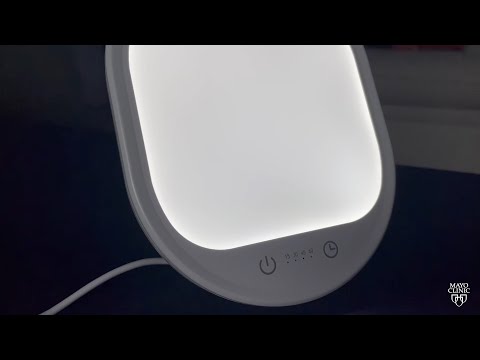
So, you know those gray, gloomy days when the sun just seems to disappear? Yeah, I totally get it. When winter hits, some folks feel like they’re stuck in a funk.
That’s where Seasonal Affective Disorder (SAD) comes in. It can really mess with your mood and energy levels.
But here’s the good news: have you ever heard of bright light therapy? It sounds kinda fancy, right?
Basically, it’s like getting a little sunshine in a box! If you’ve been feeling down when the seasons change, this just might be your new best friend. Let me tell you all about it!
Exploring the Effectiveness of Light Therapy for Seasonal Affective Disorder: Does It Really Work?
Light therapy has become a go-to treatment for many people struggling with Seasonal Affective Disorder (SAD), which can make those chilly winter months feel like an uphill battle. You know, when the days get shorter and you’re just not feeling yourself? This therapy involves sitting near a specially designed light box that mimics natural sunlight. Sounds simple, right?
So, does it really work? The short answer is: yes, for many people. A bunch of studies have shown that light therapy can be effective in lifting mood and reducing symptoms of SAD. But let’s break it down a bit.
First off, how does it work? Well, our bodies have something called a circadian rhythm, which is basically our internal clock. This rhythm helps regulate sleep, mood, and energy levels based on light exposure. When there’s less sunlight in the winter, your body might produce more melatonin—yep, that sleepy hormone—making you feel more tired and down.
With light therapy, you’re giving your brain that much-needed boost of light to help shift this balance back toward feeling energized and happy! It’s like sending a little sunshine straight to your brain.
Now onto the mechanics. Most light boxes used in this therapy emit around 10,000 lux of bright white light. That’s like being outside on a sunny day without the UV rays that can harm your skin. Generally, people are advised to use these boxes for about 20 to 30 minutes each day during the fall and winter months when SAD tends to hit hardest.
You may be wondering about side effects. While they’re typically pretty mild—like headaches or eye strain—some folks might feel more energized than usual or even experience trouble sleeping if they use it too late in the day.
But here’s the thing: not everyone responds to light therapy the same way. Some people notice improvement within days while others may take weeks to feel any difference at all. It’s all very individual!
If you ever decide to give it a shot, it’s worth chatting with a healthcare provider first just to make sure it aligns with your needs; especially if you’re also taking medications or dealing with other mental health issues.
In summary:
- Light therapy mimics natural sunlight.
- It helps regulate your circadian rhythm.
- Mood improvements can happen within days or weeks.
- About 20-30 minutes daily is generally recommended.
- You should talk to a professional before starting.
So, if you’re feeling down during those long winter months and think this could be something for you—why not consider giving it a try? After all, sometimes we just need a bit of extra “light” in our lives!
Understanding the Speed of Light Therapy: How Quickly Can It Alleviate Symptoms of Seasonal Affective Disorder (SAD)?
Understanding the Speed of Light Therapy
You might feel a little down when winter rolls around, right? Those shorter days can be a drag. That’s where Seasonal Affective Disorder (SAD) steps in. It’s more than just the winter blues; it’s a legit mood disorder that can mess with your happiness. Fortunately, there’s light therapy, and it’s pretty popular for tackling SAD.
So, what’s this light therapy all about? Basically, it involves sitting in front of a bright light box that mimics natural sunlight. The idea is to boost your mood by altering your body’s melatonin and serotonin levels. Those two hormones play a big role in regulating sleep and mood.
Now, you might be wondering—how fast does this really work? Well, people often start feeling some relief within just a few days of consistent use. Seriously! Many people see an improvement in their symptoms after about one to two weeks. Isn’t that amazing?
Let’s break down what typically happens:
- Initial Phase: When you first start therapy, you might still feel kind of blah. That’s normal.
- Around Day 3-5: This is when some folks notice a little boost in their energy or mood.
- Around Week 2: Many feel significantly better. Less lethargy and more motivation kick in!
But it’s not just magic; consistency matters a lot here! Most recommendations say to sit by the light for about 20-30 minutes every morning. The earlier, the better. It helps set your body clock right for the day ahead.
Now, here’s something personal: I remember chatting with my friend Jess during one harsh winter. She was battling SAD pretty hard and tried light therapy after hearing about it from others who had success. Initially, she was skeptical but after sticking with it for about two weeks she said she felt like she could actually tackle her day without dragging herself out of bed.
Of course, everyone is different—what works wonders for one person might not do much for another. But hey, the beauty of light therapy is its low risk compared to many medications out there.
Another thing worth mentioning is the type of light box you use matters too! You’ll want one that emits at least 10,000 lux, which mimics sunny conditions without harmful UV rays (so no need to worry about sunburns).
In summary? Light therapy can bring speedy relief from SAD symptoms if you’re diligent about using it each day. Just remember: if things don’t improve or if they worsen over time, reaching out to a healthcare professional is always best.
So there you have it! It may just take a bit of patience and commitment before brighter days arrive with light therapy!
Understanding Light Therapy: The Best Types of Light for Managing Seasonal Affective Disorder (SAD)
Light therapy is a fascinating and often underappreciated treatment for Seasonal Affective Disorder, or SAD. It’s one of those things that sounds pretty simple but can be really effective. You know, when the days get shorter and sunlight feels like a distant memory, some people experience symptoms like sadness, low energy, and even difficulty concentrating. Light therapy helps brighten things up—literally.
So, what’s the deal with light therapy? It involves exposure to artificial light that mimics natural daylight. The best type of light for this therapy usually comes from specially designed light boxes that emit bright white light. These boxes are way brighter than regular indoor lighting—think around 10,000 lux (a unit of brightness)—so you definitely feel the difference.
Here are some key points to remember about light therapy for SAD:
- Timing Matters: It’s best to use the light box in the morning, ideally within the first hour of waking up. This helps set your body’s internal clock and can boost your mood throughout the day.
- Duration: Generally, you should aim for about 20 to 30 minutes each day. Some people might need more or less time depending on their individual needs.
- Distance from Light: You don’t have to sit right in front of it; just being within a foot or two is usually enough. The idea is to have it at an angle where it shines onto your face without staring directly into it.
- Color Temperature: Look for lights with a color temperature around 5000 to 6500 Kelvin. This mimics natural daylight and feels less harsh than other lighting options.
- No UV Rays: Make sure your light box doesn’t emit UV rays! You want all the brightness without the sunburn risk.
Remember my friend Sarah? She used to get super down every winter because she lived in a place where sun was scarce for months on end. After trying out a light box every morning—just sitting there with her coffee—she really noticed a shift in her mood and energy levels. It was amazing how something so simple had such a big impact.
Of course, as great as light therapy can be, it’s not for everyone or a magic solution on its own. It works best when combined with other treatments like talk therapy or medication if needed. And speaking of which, always consult with a healthcare provider before starting any new treatment plan—they can help tailor it just for you.
So there you have it! Light therapy could be just what you need if you’re dealing with SAD this season. It’s all about bringing that little bit of sunshine back into your life when nature makes it extra tough!
So, Seasonal Affective Disorder (SAD) can be a real drag, can’t it? You know that feeling when winter rolls around and the days get short and dark? Everything feels a bit heavier. For some folks, it’s like this cloud just settles in and doesn’t budge until spring. I remember talking to a friend one January; he was just sitting there, looking out at the gray sky, saying how he couldn’t shake this funk. Sound familiar?
Bright light therapy is one approach that many people find helps lighten that heavy mood. Basically, it involves sitting in front of a special light box that mimics natural sunlight for about 20 to 30 minutes each day. It’s not the same as sunbathing on the beach, but hey, it’s better than sulking in your living room with only a lamp for company.
The thing is, our brains are wired to respond to sunlight. When there’s less of it during those dreary winter months, our serotonin levels can drop. You know serotonin? It’s like that feel-good chemical your brain releases when you’re happy or when you laugh with friends. Bright light therapy helps bump those levels back up.
And don’t get me wrong—it doesn’t work for everyone. Some people swear by it; others… not so much. But if you’re struggling with SAD or just feeling low when winter sets in, it could be worth trying out. I mean, what do you have to lose besides the dark mood?
Just be sure to choose the right kind of light box—one that’s designed specifically for treating SAD—because regular indoor lights won’t cut it. And maybe check in with your doctor too—or a therapist—because they can help guide you on how to use it effectively.
At the end of the day, it’s about finding what works for you and creating moments of brightness even when the world outside feels dimmer than usual. Life can really spring back with just a little more light!