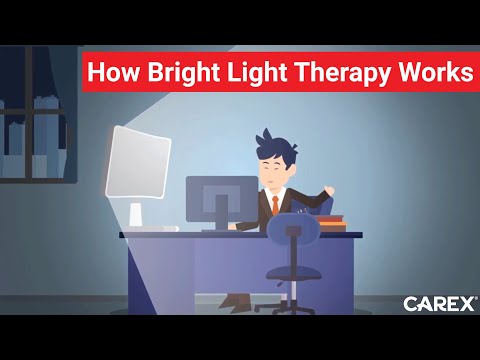
You know how some people seem to wake up ready to take on the world? Well, for others, it’s like the morning comes way too early or, like, totally too late. Sleep phase disorders can really mess with your rhythm.
Ever heard of bright light therapy? It sounds a bit sci-fi, right? But seriously, it’s all about using light to help reset our internal clocks. Imagine being able to hit the reset button on your sleep schedule!
It’s not magic, but it truly can work wonders. Just think about what a good night’s sleep feels like—it’s life-changing. Let’s chat about how this therapy could be the key to unlocking better rest for you or someone you care about.
Enhancing Sleep Quality: The Benefits of Bright Light Therapy for Advanced Sleep Phase Syndrome
Advanced Sleep Phase Syndrome (ASPS) is a sleep disorder where your internal clock—also known as your circadian rhythm—gets out of sync. So, if you find yourself feeling super sleepy in the early evening and waking up way too early, that’s ASPS for you. It can be pretty rough on your daily life. You want to be awake and alert when the world is buzzing, but you’re stuck feeling like a pumpkin at midnight.
Now, here’s where bright light therapy steps in like a superhero in a cozy bedtime story. Essentially, it involves exposure to bright light at specific times of the day to help reset your internal clock. You know how sunlight makes you feel more awake? That’s basically what bright light therapy does.
One of the best things about this approach is it can help shift your sleep phase back to more normal hours. Think of it like the sun gently nudging you awake when you’d rather still be snoozing. People typically use lightboxes that emit bright light similar to natural daylight, usually for about 20-30 minutes in the morning.
Here are some key points about how it works:
- Timing is Everything: The key is using bright light therapy in the morning. This helps push back that pesky sleep phase.
- Consistency Matters: Like most things with sleep, consistency can help cement those new sleep patterns.
- No Side Effects?: Most people tolerate light therapy well without major side effects, making it an attractive option.
- Boosts Mood: Exposure to bright light can also improve mood and decrease feelings of depression sometimes linked with ASPS.
Let’s say you’re someone who has struggled with ASPS for years and feels like you’re living on another planet compared to your friends’ schedules. With bright light therapy, there might be hope! It could bring back those late-night movie marathons or just hanging out without battling heavy eyelids.
You might wonder if this really works or if it’s just another thing people talk about over coffee. Research has shown that many individuals do experience improvements in their sleep quality and overall daytime alertness after consistent use of this therapy.
Of course, if you’re thinking about trying bright light therapy, it’d be smart to chat with a healthcare provider first—just to make sure it’s right for you and won’t interfere with any other conditions or treatments.
So, if you’re dealing with ASPS and find yourself wishing for more nighttime fun without yawning through every moment? Bright light therapy could seriously change the game, pushing your body clock toward more social hours while making mornings feel less like an uphill battle!
Transform Your Sleep: How Bright Light Therapy Can Improve Circadian Rhythm Disorders
Getting a good night’s sleep can feel impossible sometimes, right? You toss and turn, your mind races, or maybe you just can’t seem to wind down. Well, one sneaky culprit behind all this might be your circadian rhythm, which basically is your body’s internal clock. It tells you when to sleep and when to wake up. If it’s outta whack, you might end up feeling like a zombie during the day.
Now, this is where bright light therapy comes into play. It’s a treatment where you’re exposed to a special kind of light for a set amount of time each day. The goal? To help reset that circadian rhythm of yours so sleeping at night becomes easier and waking up in the morning doesn’t feel like climbing Mount Everest.
But why does bright light work? Our bodies are tuned to natural light patterns—think about how the sun rises and sets. When it gets dark, our brain releases melatonin, making us sleepy. When it’s bright outside? Melatonin production drops and we wake up! Bright light therapy mimics these natural cues—so it’s like giving your body a gentle nudge to recalibrate its clock.
Here’s how you typically use it:
- When: Most folks use bright light therapy in the morning after waking up.
- Where: You sit in front of a special lamp that emits bright white or blue light.
- Duration: Usually around 20-30 minutes works wonders.
Let’s say you’re dealing with something called «delayed sleep phase disorder.» This means you’re falling asleep way later than usual and struggling to get up on time. Imagine having to pull yourself out of bed at 7 AM after barely falling asleep at 3 AM—not fun! Bright light therapy can help shift that sleep cycle earlier. By getting bright exposure soon after waking up, your body starts adjusting its internal clock naturally.
On the flip side, if you’re more of an early bird who finds yourself sleeping way too early (that’s «advanced sleep phase disorder»), adjusting when you use that bright light can help push things back a bit so you’re not crashing at 6 PM.
But remember—this isn’t magic. It’s important to be consistent with it if you really want results. And hey, don’t skip those good sleep hygiene practices alongside it—like keeping a dark room for sleeping or avoiding screens before bed!
Of course, before diving into bright light therapy, having a chat with a healthcare professional can help steer you in the right direction based on your unique situation. They might have additional suggestions tailored just for you.
So there it is—a shining beacon of hope for those sleepless nights! Bright light therapy could be what helps bring back those cozy zzz’s you’ve been missing out on!
Understanding Bright Light Therapy: A Natural Solution for Better Sleep
Bright light therapy can sound a bit like something out of a sci-fi movie, but it’s actually a pretty straightforward and natural way to help you sleep better. You know how some days you just feel off, like your internal clock is totally messed up? That’s kind of what happens with sleep phase disorders, where your body’s natural sleep-wake cycle doesn’t sync up with the world around you. Bright light therapy steps in here, aiming to get things back on track.
So, what’s the deal? Bright light therapy involves exposure to a bright light source for a certain amount of time each day. It’s usually done using a special lamp designed to mimic natural sunlight. This isn’t just any old lamp; these are super bright—think thousands of lux—way brighter than an average household bulb. The idea is to expose yourself to this light early in the day, which can help reset your circadian rhythm.
You might be wondering how that even works. Well, our bodies have this internal clock regulated by something called the circadian rhythm. When you expose yourself to bright light, it tells your brain that it’s time to wake up and be alert. This can have an enormous effect on when you feel sleepy later on. You follow me?
Here are some key points about how bright light therapy helps manage sleep phase disorders:
- Shifts Sleep Patterns: If you’re dealing with delayed sleep phase disorder (where you fall asleep super late), bright light exposure in the morning can help shift your sleep-wake cycle earlier.
- Enhances Mood: Exposure to bright light can boost serotonin levels which play a big role in mood regulation and overall mental health.
- No Side Effects: Compared to some medications for sleep issues, bright light therapy generally has fewer side effects, making it a more attractive option for many people.
But let me tell you, it’s not just about flipping that switch and calling it a day. Consistency is key! You gotta stick with it daily for the best results. And don’t forget about timing; using the lamp too late in the day might keep you up at night instead of helping you wind down.
Also important: This isn’t just for night owls! People with non-24-hour sleep-wake disorder or those who struggle with seasonal affective disorder (SAD) also find relief through this treatment.
I’ll never forget my friend Sam who had been battling insomnia for months—it was affecting everything from work to his mood. He tried so many things that didn’t really work until he gave bright light therapy a shot after reading about it online. Just within weeks of sticking to the routine every morning, he started falling asleep faster and feeling much more rested.
So there you have it! Bright light therapy might not be everyone’s go-to solution at first glance but if your internal clock feels outta whack or if you’re just looking for that extra help getting better z’s naturally, it could definitely be worth exploring further!
Bright light therapy, you might say, is kind of like a little sunbeam for people who struggle with sleep phase disorders. You know those folks who can’t seem to fall asleep until the sun comes up or just wake up feeling like they’ve been hit by a truck? Yeah, it can be rough. I once knew someone who’d stay up all night binging Netflix, only to drag themselves through their morning meetings looking like a zombie. Sound familiar?
So, here’s the thing: bright light therapy is basically where you use this really bright light in the morning to help reset your internal clock. It’s like telling your brain, “Hey! It’s time to wake up!” And for people with conditions like delayed sleep phase disorder or shift work sleep disorder, this can make a world of difference. It helps shift their circadian rhythm—basically that inner clock that tells you when it’s time to snooze or shine.
The science behind it isn’t rocket science either; our bodies are super sensitive to light. When the right wavelengths hit our eyes in the morning, it signals our body to wake up and get energized. So when someone sits in front of one of these bright lights for a bit each day, they might find themselves falling asleep easier later on at night.
Imagine starting your day feeling refreshed instead of groggy. Rather than slogging through another endless night awake while everyone else sleeps peacefully, just a little daily dose of bright light could totally change that game for so many people.
Of course, there are some things to keep in mind. Not everyone will respond the same way, and finding the right type of light and timing takes some trial and error. Plus, it’s always smart to consult with professionals about integrating this into your life.
But hey, if you’re stuck sleeping at odd hours or battling that wave of insomnia after sunset, maybe giving bright light therapy a shot could lead you towards more restful nights and productive days. Life’s too short to feel tired all the time!