So, let’s talk about something a bit, well, gloomy. Ever felt like you’re in a fog during the winter months? You’re not alone.
Seasonal Affective Disorder, or SAD for short, hits a lot of folks when the days get shorter and the temperatures drop. It’s like having that heavy blanket of clouds following you around. Totally not fun.
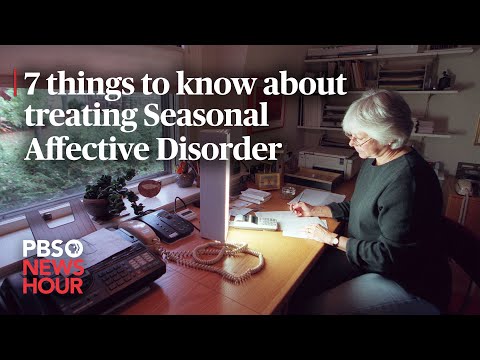
But here’s where it gets interesting: bright light therapy could be a game changer! It’s like sunshine in a box, giving you a boost when you need it most. Curious? Let’s explore how this quirky treatment works and why it might just brighten up your winter blues.
Bright Light Therapy for Seasonal Affective Disorder: A Comprehensive Guide to Boost Your Mood
Bright Light Therapy can be a real game-changer for folks dealing with Seasonal Affective Disorder (SAD). So, what’s the deal with it? Well, SAD usually hits when the days get shorter and the sunlight dwindles. People feel tired, moody, and just plain blah. Bright Light Therapy basically mimics natural sunlight, helping to kick those gloomy feelings to the curb.
First off, let’s talk about **how this works**. Your brain produces a hormone called melatonin, which makes you sleepy when it’s dark. Less light in winter leads to more melatonin and less serotonin – that happy hormone. Bright light therapy uses special lamps that emit bright light to help you regulate your biological clock and fight off those winter blues.
Now, if you’re considering it, here’s a little breakdown of the essential points about Bright Light Therapy:
- Timing is key: Most people sit in front of the light box in the morning. This helps set your mood for the day.
- Duration matters: Sessions typically last around 20-30 minutes.
- Consistency is crucial: Using it daily during those dreary months is important for effectiveness.
- Distance from the light: You don’t have to stare directly at it; just being close can still do wonders.
So, think about my friend Jamie for a second. Every winter, she’d feel like a walking zombie—no energy or motivation at all. It was like she was stuck in a foggy haze until spring rolled around. After trying bright light therapy last year, though? Total turnaround! Jamie committed to her morning sessions right after breakfast and noticed she was way more cheerful and lively throughout the day.
Of course, not everyone may see results immediately. Sometimes it takes a week or two for your body to react positively to this treatment. So maybe don’t give up if you don’t feel different right away.
And hey, it’s also super important to choose the right kind of light box. Look for ones that are specifically designed for SAD treatment with at least **10,000 lux** brightness – that’s what research suggests works best!
But keep in mind: while many find bright light therapy effective as part of their recovery process from SAD or even general depression symptoms, it’s not a one-size-fits-all solution. It’s always best to chat with a healthcare professional about your individual needs before diving in headfirst.
Lastly—if you’re on medications or have other health conditions? Yeah…definitely bring that up too! Sometimes side effects or interactions can happen when mixing treatments.
Basically, Bright Light Therapy offers hope for tackling seasonal mood dips head-on but remember: patience and consistency are key – just like everything else worth doing!
Unlocking the Benefits of Bright Light Therapy for Seasonal Affective Disorder: A Comprehensive Guide
Seasonal Affective Disorder, or SAD, can really throw you for a loop. You know, those winter months when the sun seems to disappear, and suddenly you’re feeling more down than usual? It’s like a cloud of gloom rolls in and just doesn’t want to leave. But here’s where bright light therapy steps in, shining a little light on the situation—literally.
So, bright light therapy is all about using special lights that mimic natural sunlight. This can help people with SAD feel better during those dreary months. The basic idea is that these lights can help regulate your body’s internal clock, kind of like telling your brain it’s time to wake up and smell the coffee, even when it’s cloudy outside.
Now let’s break it down with some important points:
But here’s something interesting—light therapy isn’t just about sitting in front of a box! Sometimes people find they feel good just by getting outside on sunny days—or even cloudy ones! Things like taking walks while wrapped up in layers let you soak up whatever natural light you can find.
Just imagine Sarah from next door. She used to hate winter because she’d feel sluggish and moody as soon as the days got shorter. But after trying out bright light therapy last year? Total game changer! She started waking up earlier and felt more energetic throughout her day without relying solely on caffeine.
Of course, it’s not a perfect fit for everyone. Some folks might experience side effects like headaches or eye strain. So yeah—you should definitely talk with a healthcare provider before jumping into this regimen.
So if you’re feeling those winter blues creeping in, maybe consider giving bright light therapy a shot? You could bring some brightness back into those gray days!
Top Light Therapy Solutions for Battling Seasonal Affective Disorder
Seasonal Affective Disorder (SAD) is more than just feeling a bit down when the days get shorter. It can seriously mess with your mood, energy, and overall vibe, especially during those long winter months. One of the more popular and effective treatments for SAD is light therapy. This involves using bright artificial light to mimic natural sunlight. So, let’s break down some of the top light therapy options out there.
Light Therapy Boxes are probably what you think of first. These are special lamps designed to emit bright light, usually around 10,000 lux, which is way brighter than standard indoor lighting. You sit in front of one for about 20-30 minutes each day—preferably in the morning—to help boost your mood and energy levels. Just remember to choose a box that’s specifically made for this purpose. You don’t want to use a regular lamp; it won’t cut it!
Portable Light Therapy Devices are like the travel buddies of the light therapy world. They’re smaller and easy to carry around, making them perfect for those who need a quick pick-me-up while on the go. You can use them during your morning coffee or even at your desk! While they may not shine as brightly as full-sized boxes, they still deliver benefits if used consistently.
Then we have Light Visors. These are worn like glasses and project light into your eyes while you move about your daily routine. They might feel a bit strange at first but can be super convenient since you can wear them while doing chores or even reading! Just make sure they’re designed for light therapy; not all visors will do the trick.
Another cool option is Smart Light Bulbs. These bulbs change color temperature throughout the day, mimicking natural sunlight patterns from sunrise to sunset. They won’t replace dedicated therapy lamps but can help create a more uplifting environment in your home over time.
While all these products can be helpful, it’s important to remember that consistency is key! Light therapy works best when used regularly—ideally every day through the darker months. Some folks see improvements within a week or two; others might take longer to feel its effects.
Using light therapy isn’t usually without its quirks—it may cause headaches or eyestrain for some people initially. If you’re prone to migraines or have eye conditions, definitely chat with a healthcare provider before diving in.
In short, whether you go for a full-on lamp or something portable like visors or smart bulbs, there’s likely an option that fits right into your life—and hey, who couldn’t use some extra brightness during those dreary months? Make sure you stick with it though; finding what works best for you might take some time and tweaking!
Bright light therapy — sounds a bit sci-fi, doesn’t it? But honestly, it’s not as complicated as it seems. Let’s break it down. So, seasonal affective disorder (SAD) is this type of depression that hits folks mainly during the colder months when daylight disappears faster than ice cream in summer. You know those gray, dreary days? They can really bring you down sometimes, right?
I remember this one winter when I was feeling super low. Like, I couldn’t even get out of bed on some days. Everything felt heavy and gloomy. That’s when I heard about bright light therapy from a friend who swore by it. She said sitting in front of a special light for about 30 minutes each morning helped her feel more alive and, honestly? I was desperate for something to change.
So here’s how it works: you sit in front of a special light box that mimics natural sunlight. The idea is to kickstart your brain’s production of serotonin — that happy chemical — which can get all wonky during the winter months because there’s just not enough sunlight around. It seems simple, but many people swear by its effectiveness in improving mood and energy levels.
But let’s be real — it isn’t magic! Not everyone will have great results; some might need other treatments alongside it. And those boxes aren’t your regular lamps; they give off bright light without UV rays, so you don’t end up with sunburn or anything like that! Just make sure to talk to someone who knows their stuff before diving in.
A lot of people find a sense of routine by starting their day with this therapy and integrating it into their lives like coffee or breakfast. Honestly? It can feel comforting knowing there’s something you can do to help shake off the winter blues—like having a little sunbeam on standby.
So if you’re feeling the weight of those long nights and short days creeping up on you again come fall, maybe give bright light therapy a shot! You never know—it might just be the sunny boost you’ve been looking for during those long winter months.