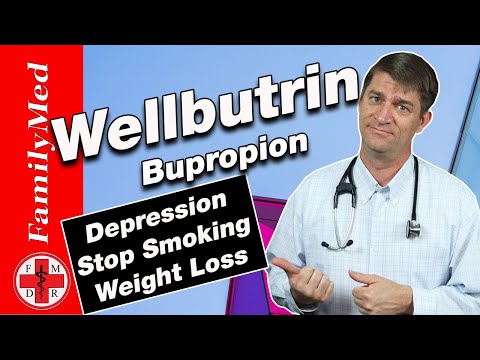
You know, mental health can be a bit of a rollercoaster, right? One minute you’re feeling on top of the world, and the next you’re in a funk.
That’s where meds come in. There are tons of options out there, and one that’s been getting some buzz is bupropion 300. Seriously, it’s not just another pill; it might make a difference for many folks dealing with depression or anxiety.
I remember chatting with my buddy who was struggling. He felt like he’d tried everything. Then he finally decided to give bupropion a shot, and guess what? It turned things around for him.
Curious about how it all works? Let’s break it down together!
Exploring the Role of Wellbutrin in Enhancing Emotional Regulation: Benefits and Insights
Wellbutrin, or bupropion, is one of those medications that has a knack for shaking things up in the mental health world. It’s primarily known as an antidepressant but also has some interesting effects on emotional regulation. So, what does that mean for you?
First off, emotional regulation is all about how we manage our feelings. Sometimes, life throws us curveballs, and our emotions can feel overwhelming—like when you break up with someone or lose a job. Wellbutrin can play a role in helping you handle those highs and lows.
When we take a closer look at how it works, Wellbutrin mainly boosts neurotransmitters like norepinephrine and dopamine. These are chemicals in your brain that help regulate mood and energy levels. Imagine you’re at a party, feeling super low-key or out of it— Wellbutrin can help lift your spirits and give you the energy to connect with others more easily.
Also, this medication might not be as heavy on the side effects compared to other antidepressants. Some people find it doesn’t lead to weight gain or sexual dysfunction like other meds do. That’s kind of a relief, right?
But here comes the interesting part: apart from treating depression, some folks notice improvements in their anxiety symptoms too. You know how anxiety can make everything seem like a big deal? Wellbutrin can help you stay grounded, making it easier to face daily challenges without feeling totally overwhelmed.
However, everyone’s experience is unique—what works wonders for one person might not do much for another. A friend of mine started taking Wellbutrin after struggling with feelings of sadness for years. She told me it felt like someone lifted a fog off her brain; she could finally think clearly and cope better when stressful situations popped up.
So it’s safe to say that while Wellbutrin may not be a magic pill, it offers real benefits for emotional regulation that many find helpful. Just be sure to have an open conversation with your doctor about whether it’s something worth considering for your situation.
In summary, here are some key points about Wellbutrin’s role in enhancing emotional regulation:
- Boosts neurotransmitters: Helps improve mood by increasing norepinephrine and dopamine levels.
- Less heavy on side effects: Often doesn’t cause weight gain or sexual issues.
- Improves anxiety symptoms: It can help you feel more grounded during tough times.
- Individual experiences vary: What works well for one person may not work for another.
So yeah, if you’re curious about how this medication might fit into your life or someone else’s journey through mental health challenges, having an open chat with a healthcare provider is always the best first step!
Understanding Bupropion: Can It Cause Hot Flashes?
Bupropion, known commonly as Wellbutrin, is a medication often prescribed for depression and anxiety disorders. It works differently than many other antidepressants. Basically, it affects neurotransmitters like dopamine and norepinephrine, which can really help lift your mood.
Now, when we talk about **hot flashes**, it’s interesting to note that they’re more commonly associated with hormonal changes, especially in women going through menopause. But here’s the thing: some people taking bupropion have reported experiencing hot flashes. So, can bupropion actually cause this side effect? Well, kind of.
- Interactions with the body: Bupropion influences chemicals in your brain that regulate mood and emotions. However, these brain chemicals can also play a role in regulating body temperature.
- Individual reactions: Everyone’s body is unique. While one person might not have any issues with hot flashes on bupropion, another might feel like they’re suddenly on fire for no clear reason.
- Dosage matters: Some studies suggest that higher doses could be linked to increased side effects like hot flashes. So if you’re taking 300 mg or more daily, it might be worth discussing with your doctor.
- Mood swings and anxiety: Interestingly enough, some people report that when their mood swings are managed better due to bupropion, other symptoms like anxiety can ease too. This sometimes leads to fewer hot flash episodes overall.
So here’s a little anecdote: I remember chatting with a friend who had just started on bupropion. She was thrilled about feeling more balanced emotionally but then began noticing these pesky hot flashes creeping up on her—usually at the worst moments! After a week or so of feeling like she was in a tropical sauna during meetings, she decided to talk to her doctor about it. They tweaked her dosage slightly and, poof—after a bit of time adjusting again—those hot flashes went away.
If you’re experiencing something similar while on bupropion or any medication for that matter, don’t hesitate to reach out to your healthcare provider. Seriously! Open communication is key in finding what works best for you without those unwanted surprises along the way.
In short: yes, bupropion can potentially cause hot flashes for some folks due to its effects on neurotransmitters and individual responses. But remember this isn’t set in stone; every person reacts differently. It’s all about figuring out what makes you feel comfortable and healthy!
Understanding Bupropion Side Effects: What You Need to Know for Your Mental Health
So, you’re curious about bupropion and its side effects, huh? Let’s break it down. Bupropion is an antidepressant mostly used for depression and anxiety. It’s distinct because it affects your brain’s chemicals differently than many other meds out there.
First off, bupropion comes in various doses, and **300 mg** is one of the common prescriptions. When you think about side effects, it helps to know what they might be and how they can affect your mental health journey.
Common Side Effects
You might experience a few common side effects when taking bupropion. They can vary from person to person, but here are some that pop up more often:
- Insomnia: A lot of people report trouble sleeping. It can feel frustrating when you just want a good night’s rest.
- Dizziness: This can happen occasionally, especially when you first start taking it or if your dosage changes.
- Dry mouth: Seriously, this one can be annoying! Staying hydrated becomes essential.
- Nausea: Some folks feel a bit queasy for the first couple weeks as their body adjusts.
Now let’s break each of these down a little more.
Insomnia can be particularly disruptive if you’re already dealing with anxiety or depression. Imagine you’ve had a long day but can’t seem to fall asleep—and then your mind starts racing with thoughts about everything you’ve got going on. It’s like adding fuel to the fire!
Then there’s dizziness. This may not seem like a big deal at first, but if you’re feeling lightheaded, it could make daily tasks tougher. You might find yourself feeling a bit out of sorts as you navigate your day.
As for the dry mouth, it’s surprisingly common with several meds. Drinking water frequently is your best friend here—just keep that water bottle handy!
Before we move on to some less common, but serious side effects, let’s not forget that everyone’s body reacts differently to medication.
Less Common Side Effects
Although they’re not as frequent, some folks experience less common side effects while on bupropion:
- Anxiety or agitation: For some people using this med for anxiety, it might paradoxically increase feelings of nervousness.
- Tremors: A shaky hand? Yeah, that can happen too.
- Weight changes: Some people lose weight while others gain weight; metabolism can get all mixed up.
- Seizures: This is rare but seriously concerning; it’s crucial to stick with prescribed doses.
If you’ve noticed more anxiety creeping in while on bupropion—totally know you’re not alone! It’s so frustrating when you’re trying to manage anxiety and then suddenly feel even worse.
Tremors might feel alarming if you notice shaking in your hands or fingers—it’s important to chat with your doctor about any physical changes like this.
As for those weight changes? It’s wild how different meds impact our bodies! If food feels off lately or you’ve noticed significant weight fluctuation without meaning to—that’s worth bringing up too.
Finally, let’s talk seizures. Though rare at recommended doses (particularly over 400 mg), it’s something worth mentioning since it’s a major concern. If there’s ever any doubt about dosages or potential interactions with other medications—reach out!
Takeaway: Communication is key!
If you’re considering starting bupropion or are already taking it and experiencing any side effects—don’t just sit there feeling overwhelmed! **Talking openly with your doctor** about what you’re experiencing is crucial. They may suggest dosage adjustments or even alternative medications based on how you’re feeling.
In short: Yes, bupropion has potential side effects—but understanding them gives you power over your mental health journey! Your well-being matters most; always prioritize open communication about how you’re doing while on any medication.
Bupropion, huh? That’s a medication that often comes up in the mental health conversation. It’s commonly used for depression and anxiety, but it’s kind of unique because it works differently than many other antidepressants. So, let’s break it down a bit.
When you think about medications for mental health, a lot of people picture SSRIs like they’re the only go-to. But bupropion (often known by its brand name Wellbutrin) goes down the road less traveled. Instead of just focusing on serotonin—like many others do—it mainly messes with dopamine and norepinephrine. Those neurotransmitters are all about motivation and energy, you know? So it can be a game-changer for folks who struggle with low energy or motivation as part of their depression.
I remember a friend who was going through some seriously rough patches. She felt like she was stuck in quicksand—unable to move forward no matter how hard she tried. After cycling through various meds that left her feeling flat or super anxious, she finally gave bupropion a shot. And wow! It didn’t just lift her mood; it almost felt like someone had flipped a switch inside her. Suddenly, she had more energy and clarity; she even picked up painting again after years.
But here’s the thing: bupropion isn’t for everyone. Some folks might deal with side effects like insomnia or dry mouth (not super fun), and there are even some risk factors—especially if someone has a history of seizures or eating disorders. That’s why it’s crucial to have open chats with your doctor about what fits your needs best.
Another interesting angle is that bupropion is sometimes prescribed to help folks quit smoking too! Like, who knew that medication could tackle multiple issues at once? It kinda shows how complex our brains are and how one solution can help in different ways.
You often hear about stigma tied to mental health treatments, right? This is where stories matter—a friend sharing their experience with bupropion could make a world of difference for someone else considering their options.
So yeah, while bupropion 300 mg might not be the perfect fit for everyone, it’s definitely an essential player in the mental health toolkit—and sometimes all it takes is finding that right match to spark some real changes in life!