Hey there! So, let’s chat about something that can be a total buzzkill when you’re trying to tackle mental health—dry mouth. Yep, that annoying cotton-mouth feeling that sometimes tags along with medications like bupropion.
I mean, seriously, you’re already navigating the ups and downs of life, and now this? It’s frustrating, for sure. But here’s the kicker: knowing what’s behind it can help you manage it better.
So, we’re gonna break it down together—you know? Let’s explore how to deal with this pesky side effect while keeping your mental health in check. Sound good?
Understanding Increased Thirst on Wellbutrin: Causes and Solutions
So, you’re on Wellbutrin, also known as bupropion, and you’re noticing you’re thirstier than usual? You’re not alone in this. Increased thirst can definitely be a side effect of this medication, and it often goes hand-in-hand with dry mouth. Let’s break down what’s happening here.
Why does this happen? Well, the main reason is that bupropion can affect how your body produces saliva. When it reduces saliva production, your mouth feels dry, leading to that nagging thirst. Think about it: if your mouth is feeling like the Sahara Desert, of course, you’ll want to drink more water!
But there are a few other possibilities at play:
- Mild dehydration: Sometimes when you’re taking medications like Wellbutrin, your body might lose more fluids than usual.
- Changes in diet: If you’ve changed what or how much you eat since starting the meds—maybe snacking on salty chips more often—that could ramp up your thirst levels too.
- Anxiety or stress: If you find yourself feeling anxious while adjusting to the medication, it might make you feel more thirsty than normal. Stress affects our bodies in all sorts of ways.
If increased thirst is bothering you—or if it’s paired with other weird symptoms—it’s worth chatting with your doctor. They might suggest a few solutions.
What can help?
- Stay hydrated: This one’s pretty obvious but super important! Keep a water bottle on hand so that you’re less likely to forget to drink throughout the day.
- Chew gum or suck on hard candy: Something sugar-free could help stimulate saliva production and ease that dry mouth feeling.
- Avoid diuretics: Be mindful of drinks like caffeine and alcohol—they can make dehydration worse.
- Mouth moisturizers: There are sprays and gels designed specifically for dry mouth; they might be worth checking out!
The thing is—you should never just stop taking your medication without talking to your doctor first. If bupropion’s giving you major discomfort because of increased thirst or dry mouth, they might adjust your dose or suggest switching to another medication.
Your comfort really matters when it comes to mental health treatment. Remember: it’s totally okay to voice any concerns about side effects! You deserve support and solutions that work for you. So don’t hesitate—reach out!
Exploring the Connection: Can Bupropion Increase Anxiety Levels?
So, you’re curious if bupropion can spike anxiety levels? That’s a solid question. Bupropion is an antidepressant often used for depression and stopping smoking. It’s kind of known for its stimulating effects. But, here’s the thing: some folks do report feeling more anxious when they start taking it.
First off, bupropion works differently than many other antidepressants. Instead of boosting serotonin, it mainly affects dopamine and norepinephrine. These chemicals play key roles in mood and focus, but when things get stirred up in your brain chemistry cocktail, it can lead to side effects.
Here are a few points to think about:
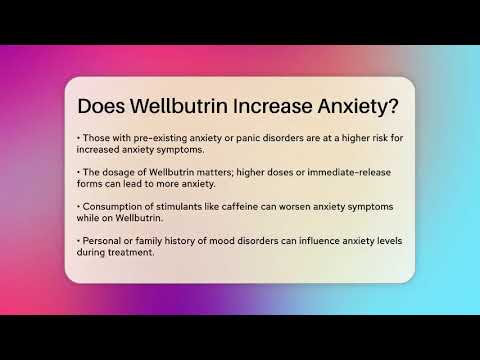
- Initial Side Effects: When you first start bupropion, your body is adjusting. Some people feel jittery or anxious during this adjustment phase.
- Dosage Matters: Sometimes, the dose can make a difference. Higher doses might ramp up those anxious feelings for some individuals.
- Underlying Anxiety Disorders: If you already have anxiety issues, bupropion might not be the best fit for you. It could exacerbate those feelings rather than ease them.
- Time Factor: For many, this increased anxiety doesn’t last forever. Often after a few weeks, things stabilize as your body gets used to the medication.
Now picture this: a friend of mine started taking bupropion after struggling with depression. At first, he felt like a ball of nerves—he would wake up with this racing heart and sweaty palms. It took him about two weeks to find his groove again though; slowly but surely, his anxiety mellowed out.
But it’s super important to communicate with your doctor if you’re feeling more anxious than before starting bupropion. They’ll probably want to keep an eye on how you’re doing or may suggest another medication altogether.
And oh! Let’s not forget that **dry mouth** is another common side effect of bupropion that can feel annoying on top of everything else. Staying hydrated helps but discussing persistent side effects with your doctor makes all the difference.
Basically, while it’s not uncommon for some people to experience increased anxiety with bupropion initially—it varies from person to person—and it often improves over time. Just keep those lines of communication open with your healthcare provider; they really are there to help you sort through the ups and downs!
Exploring Wellbutrin’s Impact on the Nervous System: How It Affects Mood and Mental Health
Wellbutrin, or bupropion if you want to get all technical about it, is often used to treat depression and help people quit smoking. So, what’s the deal with its impact on the nervous system? Well, basically, it works by affecting certain chemicals in your brain called neurotransmitters. These are like little messengers that help regulate your mood, and Wellbutrin specifically targets dopamine and norepinephrine.
Dopamine is known for its role in pleasure and reward. Think of it as your brain’s feel-good chemical. When you’re feeling down, low levels of dopamine might be part of the problem. Wellbutrin can help boost those levels, which is why some people notice improvements in their mood when they start taking it.
On the flip side, there’s norepinephrine, which impacts alertness and your stress response. Basically, norepinephrine helps you gear up for action when you’re stressed or excited. It’s like the adrenaline that kicks in when something thrilling happens! By increasing norepinephrine activity, Wellbutrin can make you feel a bit more energized and less bogged down by negative feelings.
But hey, let’s talk about some side effects too! One common issue with Wellbutrin is dry mouth. I mean, we’ve all been there—talking away and suddenly realizing your mouth feels like a desert. The thing is, this happens because Wellbutrin can decrease saliva production due to its effects on the nervous system.
Here are some key points to consider about how Wellbutrin affects mood and mental health:
- Improves Mood: Many folks find their overall mood lifts as dopamine levels rise.
- Increases Energy: With enhanced norepinephrine activity, you might feel more alert.
- Affects Appetite: Some people experience reduced cravings; this can be helpful for weight management.
- Side Effects: As mentioned before, dry mouth is common but usually manageable.
- Not for Everyone: Wellbutrin isn’t suitable for everyone—especially individuals with certain seizure disorders or eating issues.
So yeah, despite some side effects like dry mouth (which can be annoying), many people benefit from what Wellbutrin has to offer in terms of mood improvement. It’s always important to have open conversations with your healthcare provider so you can navigate these ups and downs well together.
After all this info about how Wellbutrin affects the brain’s functioning—hopefully now you see it’s pretty fascinating! Just remember that while medication can be super helpful in managing mental health conditions, talking therapies and lifestyle changes still play huge roles too!
So, let’s talk about bupropion for a sec. This medication is often given for depression or even to help folks quit smoking. It’s kinda like your friend who pumps you up when you’re feeling low, you know? But there’s one side effect that’s not so fun—dry mouth.
Imagine this: you’re sitting in a meeting, trying to focus on what everyone’s saying, but all you can think about is how your mouth feels like the Sahara Desert. It’s uncomfortable and distracting. Seriously, it’s like trying to have a conversation with a cotton ball in your mouth!
So why does this happen? Well, bupropion can mess with the way your body produces saliva. Basically, it reduces it, which is why you’re left feeling parched. And while dry mouth might seem like a minor issue compared to other side effects of medications—like anxiety or weight gain—it can really impact your day-to-day life.
Picture this: You’re out with friends at dinner and love showing off your cooking skills by ordering something spicy or flavorful. But as soon as that food hits your tongue, all you can think about is gulping down water instead of savoring every bite. Total buzzkill!
But there are ways to navigate this annoying little side effect. Like keeping water on hand at all times (or herbal tea if that’s more your jam). Some people swear by sugar-free gum or lozenges too; they help stimulate saliva production and get rid of that dry mouth feeling.
It’s easy to overlook how these little quirks can affect mental health. When you’re already dealing with mood swings or low energy, adding dry mouth into the mix can feel overwhelming. A great step is talking to your doctor if things get too uncomfortable; they might adjust the dose or suggest swtiching meds altogether.
It’s all about finding ways to feel better while managing those pesky side effects. By staying hydrated and having some go-to remedies ready, you can navigate through bupropion’s dry mouth dilemma and keep living life fully—without feeling like a desert wanderer!