So, let’s chat about bupropion. You know, that antidepressant that some people swear by? It’s got a lot of folks talking.
But then there are those oddball side effects, like hallucinations. Seriously, it’s not something you hear every day, right?
Imagine taking a med to feel better, but instead, your mind starts throwing weird visuals at you. Yikes!
I mean, can you even imagine? You’re just trying to chill and suddenly you’re seeing things. Not cool at all!
Let’s dig into this whole situation and see what’s really going on with bupropion and those unexpected trips your brain might take.
Exploring the Link Between Bupropion and Hallucinations: What You Need to Know
Bupropion is an antidepressant that’s often prescribed to help with depression and anxiety. You might have heard of it under the brand names Wellbutrin or Zyban. It works a bit differently than other antidepressants because it’s a norepinephrine-dopamine reuptake inhibitor (NDRI). That means it changes how your brain handles two important chemicals: norepinephrine and dopamine.
However, there’s something you really gotta know about this medication—it has been associated with hallucinations in some people. Now, I’m not saying everyone who takes bupropion will experience this; it’s just that, in rare cases, people have reported seeing or hearing things that aren’t there. Or feeling like something is happening when it’s really not. That’s pretty unsettling, right?
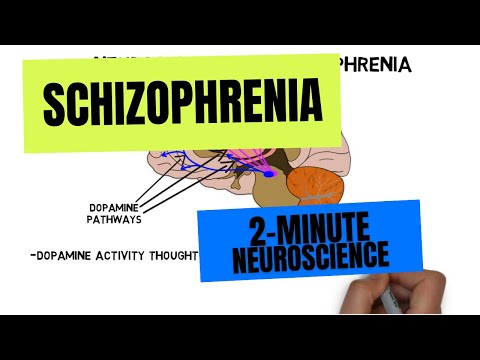
So why does this happen? Well, one theory is that bupropion can boost dopamine levels so much that it messes with your brain’s ability to filter what’s real from what’s not. This can be particularly risky if you’re already prone to mental health issues like schizophrenia or bipolar disorder. Imagine you’re trying to stay grounded and then suddenly, your mind throws a curveball! It can feel overwhelming.
Here are some key points about bupropion and hallucinations:
- Risk Factors: If you have a history of psychiatric disorders, you might be at a higher risk for experiencing these side effects.
- Dosage Matters: Higher doses of bupropion can increase the likelihood of hallucinations. It’s essential to stick to what your doctor recommends.
- Interaction With Other Medications: Bupropion can interact badly with other drugs, amplifying side effects including hallucinations.
- Withdrawal Symptoms: If you suddenly stop taking bupropion, withdrawal can lead to various symptoms including visual and auditory disturbances.
It brings me back to a friend of mine who was prescribed bupropion. He started feeling really anxious and had moments where he’d think he saw someone behind him when he was home alone. Talk about creepy! Thankfully, once he talked with his doctor about these experiences, they adjusted his dosage and found another treatment path that worked better for him.
If you or someone you know is on bupropion and starts having weird experiences—like seeing things out of the corner of their eye or hearing whispers—it’s crucial to reach out to a healthcare professional immediately. Don’t just brush it off! Open communication is key in mental health treatment.
Remember, medications work differently for everyone; what works wonders for one person might not suit another at all. And that’s perfectly okay! Always prioritize your mental well-being by staying informed and connected with your support system.
In short, while bupropion can be incredibly helpful for many folks struggling with depression or anxiety, the link between this medication and hallucinations shows us we need to be cautious—and proactive—when dealing with our mental health treatments.
Top Medications for Managing Auditory Hallucinations: A Comprehensive Guide
Managing auditory hallucinations can be a real tough ride for many people. They might hear voices that aren’t really there, which can feel super confusing and even scary. If you or someone you know is dealing with this, it’s important to understand a bit about how medications, like bupropion, can play a role in managing these experiences.
First off, let’s chat a little about bupropion. This medication is primarily used as an antidepressant and can help with conditions like depression and anxiety. But here’s the thing: it’s not typically the first choice for treating auditory hallucinations. However, some folks have found it beneficial in reducing symptoms.
So what works? Here are a few common meds you might hear about:
- Antipsychotics: These are usually the go-to meds for managing hallucinations. They work by altering how your brain processes certain chemicals, particularly dopamine. Medications like risperidone or quetiapine are often prescribed.
- Antidepressants: Aside from bupropion, other antidepressants may also help indirectly by improving mood and reducing anxiety around the hallucinations.
- Benzodiazepines: Sometimes used for short-term relief of anxiety that can accompany hallucinations, but they aren’t a long-term solution.
Now picture this: imagine you’re sitting in your living room when suddenly you hear someone calling your name. At first, you think it’s your friend stopping by unannounced. But when you peek outside… no one is there! It’s moments like these that can make you feel isolated or misunderstood.
As with any medication, side effects might pop up too—like weight gain or drowsiness with some antipsychotics. So monitoring that stuff closely with your healthcare provider is clutch.
And look, finding the right medication isn’t always straightforward—it might take time to figure out what clicks best for you based on personal history and how your body reacts to different treatments.
It’s also crucial not to skip therapy during this process! Medications alone don’t address all aspects of mental health challenges. Psychotherapy can offer tools to cope better with those experiences—like cognitive-behavioral therapy (CBT), which helps change negative thought patterns associated with hallucinations.
If you’re exploring treatment options for auditory hallucinations, talk candidly with your doctor about what you’re experiencing and any concerns about medications like bupropion or others mentioned here. There are paths through this; understanding is key to finding what works for you!
Understanding Schizophrenia: Common Types of Hallucinations Experienced by Patients
Schizophrenia is one of those conditions that can feel pretty intense and overwhelming, both for the person experiencing it and their loved ones. It’s not just one thing—it’s more like a collection of symptoms that can vary from person to person. One of the hallmark experiences for many folks with schizophrenia is hallucinations, which are essentially experiences that seem real but aren’t actually present.
Hallucinations can appear in different forms, but let’s break it down into some common types:
Now, as for medications like bupropion, they can be prescribed for various reasons, including depression and anxiety. But there’s a flip side: sometimes these meds can contribute to hallucinations in certain individuals, particularly if they’re already predisposed to such experiences.
A friend of mine once shared how her brother struggled with severe auditory hallucinations due to schizophrenia. He’d hear voices telling him he was worthless—a pretty harsh mental battle every day! After trying several medications, including bupropion at one point, they noticed his symptoms fluctuating dramatically. Some days he’d feel more stable; other days? Well… those voices would come back stronger than ever.
Understanding these experiences is crucial for empathy and support. It reminds us how complex our minds really are! Schizophrenia doesn’t define someone; it’s just part of their experience—and knowing about these hallucinations helps reduce stigma around mental illness.
Communication becomes super important here too! Discussing what someone is going through without judgment makes a world of difference for anyone facing challenges related to schizophrenia or other mental health issues.
To sum up, hallucinations in schizophrenia can vary widely in type and impact daily life significantly—especially when navigating treatment options like medication. Recognizing this complexity helps us approach the subject with greater compassion and understanding.
So, you know how sometimes when you’re trying to deal with all the chaos in life, you turn to medication? Well, bupropion is one of those antidepressants that some folks rely on. It’s often prescribed for depression and can help with quitting smoking too. But here’s the thing: like a lot of medications, it can have some side effects that might raise an eyebrow or two—hallucinations being one of them.
Let’s break this down a little. Imagine you’re feeling really low, and you decide to give bupropion a shot. A couple of weeks in, things start looking brighter. But out of nowhere, you start seeing things or hearing voices that aren’t really there. Sounds freaky, right? That can definitely mess with your head and leave you feeling more confused or afraid than before.
I remember this story about a friend who went on bupropion to help with her depression after a tough breakup. She was feeling hopeful at first; her energy picked up, and she felt more like herself again. Then one night while she was watching TV, she could’ve sworn she saw someone standing in the corner of her living room! Super scary! Obviously, it turned out to be nothing—but it shook her up for days.
Hallucinations can happen because bupropion affects neurotransmitters in your brain—those little guys are basically your brain’s messengers. They play a huge role in your mood and perception of reality. So when something goes awry in that chemical balance, strange stuff can happen.
Now, is this common? Not really. Most people do just fine on bupropion without any weird visions or sounds interrupting their day-to-day lives. But if hallucinations do crop up, it’s crucial to talk about it with your doctor right away. You don’t want to ride that wave alone.
What’s wild is that mental health meds often come with their own set of challenges—what works great for one person might not work at all for another. It’s like finding the right pair of jeans—you’ve got to try a few pairs before you find the perfect fit!
So if you’re ever on something like bupropion and start experiencing hallucinations or any other strange side effects? Just remember: don’t hesitate to reach out for support. There’s always someone willing to listen and help clarify things so you don’t feel lost in the fog alone!