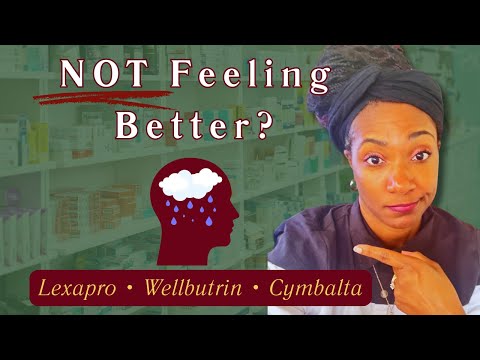
Okay, so let’s talk about something that can feel kinda overwhelming: medication for mental health.
You know those days when you’re just not feeling like yourself? Well, sometimes, the right meds can help.
Bupropion and SSRIs are like two popular options on the shelf. They both aim to make you feel better but do it in different ways.
It’s really a choice between flavors, I guess? You might be wondering which one is best for you or someone you love. Let’s break it down in a chill way, so it makes sense!
Exploring Bupropion: Advantages Over SSRIs for Mental Health Treatment
Bupropion, huh? It’s worth chatting about, especially when you compare it to the standard SSRIs like fluoxetine or sertraline. They both help with mental health, but they do it in kind of different ways. Let’s break it down a bit.
First off, bupropion is classified as an atypical antidepressant, while SSRIs are selective serotonin reuptake inhibitors. What that means is that bupropion works more on the neurotransmitters dopamine and norepinephrine. This can be a game changer for people who might not vibe well with SSRIs.
One big perk of bupropion is its lower risk of sexual side effects. Seriously, many SSRIs can throw a wrench in your sex life. If you’ve ever heard someone say they lost interest after starting an SSRI, that’s pretty common. But with bupropion? It tends to spare you from those awkward conversations.
Then there’s the weight factor. People on SSRIs often complain about gaining weight, which can be super frustrating when you’re just trying to feel better. Bupropion is actually associated with weight loss for some folks. Honestly, who wouldn’t want that kind of bonus while trying to get their head straight?
Energy levels also come into play here. Many people report feeling more energized and less fatigued when taking bupropion compared to SSRIs which can sometimes make you feel kind of sleepy or sluggish. So if you’re dragging your feet every morning, this could be something to consider.
Now, let’s talk about the approach to mental health symptoms. While both medications mainly treat depression and anxiety, bupropion might be especially helpful for those dealing with attention issues or cravings linked to nicotine withdrawal. It’s like a two-for-one deal—you get mood support and some extra help focusing or quitting smoking.
But hey, it’s not all sunshine and rainbows! Some people may experience side effects like increased anxiety or insomnia when starting bupropion, which usually isn’t the case with SSRIs at first. That means if you’re already anxious or having trouble sleeping, you might want to think twice before jumping into bupropion without talking to someone about it.
In summary:
- Bupropion targets dopamine and norepinephrine.
- Less likelihood of sexual side effects.
- Possible weight loss benefits.
- Might boost energy levels.
- Aids in attention issues and smoking cessation.
- Caution if prone to anxiety or insomnia.
Mental health is personal—what works for one person might not work for another. Having options like bupropion versus SSRIs gives us choices that could fit our unique experiences better. And that’s pretty important when navigating this journey!
Ndri vs. SSRIs: Discover the Benefits of Choosing Ndri for Mental Health Treatment
Alright, so let’s break this down a bit. You’ve probably heard of SSRIs—those are the selective serotonin reuptake inhibitors like fluoxetine and sertraline. They’re pretty common when it comes to treating depression and anxiety. But what’s this Ndri stuff? Ndri stands for Norepinephrine-Dopamine Reuptake Inhibitor, and bupropion is the most well-known drug in that category.
The thing is, there are some differences between these two types of medications that might matter to you or someone you know. Here’s a quick rundown:
Diverse Mental Health Treatment Options
With bupropion (Ndri), you’re looking more at norepinephrine and dopamine, while SSRIs focus on serotonin. That means Ndri can be a solid option if you need a change of pace or just aren’t responding well to SSRIs.
Side Effects
SSRIs can come with some not-so-fun side effects like weight gain, sexual dysfunction, or even increased anxiety at first. With bupropion, many people report fewer of those issues. In fact, it’s often associated with less weight gain and sometimes even weight loss—yeah, seriously!
Energy Levels
You know how some antidepressants can leave you feeling like a zombie? Bupropion tends to boost energy levels for folks rather than dulling them down. So if you’re wrestling with fatigue along with your mood issues, Ndri might help perk things up a bit.
Risk of Serotonin Syndrome
SSRIs carry a risk called serotonin syndrome when mixed with certain meds or substances; it can get pretty serious. Bupropion doesn’t have that same risk since it doesn’t affect serotonin much at all.
But hey, it’s not all sunshine and rainbows! There are still potential downsides to bupropion too:
So like any medication decision, there are pros and cons involved—it really depends on the individual. I once knew someone who hopped from SSRIs to bupropion after struggling with side effects, only to find that their mood turned around completely after giving it a shot! It’s amazing how different we all are in our responses to these kinds of treatments.
In the end, it’s about finding what works best for you—or whoever may need help—under professional guidance. Open conversations with your healthcare provider can make all the difference here!
Bupropion vs. Lexapro: Which Antidepressant is More Effective for Treating Depression?
When it comes to antidepressants, choosing between **bupropion** and **Lexapro** can feel a bit overwhelming. Both are popular, but they work in different ways and have different effects on people. So, let’s break this down.
**Bupropion**, often sold under the brand name Wellbutrin, is unique. It targets dopamine and norepinephrine, two chemicals in your brain that impact mood and energy levels. People sometimes find it energizing, which can be super helpful if you’re dealing with fatigue along with depression. Imagine someone finding it hard to get out of bed because they just feel so drained—bupropion might give them that needed boost.
On the other hand, we have **Lexapro**, which is part of a group called SSRIs (Selective Serotonin Reuptake Inhibitors). It focuses mainly on serotonin, another key player in mental health. By increasing serotonin levels in the brain, Lexapro aims to improve mood and reduce anxiety. Think of it like trying to adjust a radio station—getting that sweet spot where everything just sounds clearer and better.
Now let’s dig into how these two compare:
- Efficacy: Both meds can be effective for treating depression, but your experience may vary.
- Side Effects: Bupropion might lead to insomnia or increased anxiety for some people. Meanwhile, Lexapro could cause drowsiness or weight gain. Everyone’s body reacts differently!
- Additional Benefits: Bupropion can also help with smoking cessation—a plus! Lexapro often helps with anxiety disorders too.
- Treatment Duration: People usually start feeling some changes within a few weeks of starting either medication, but full effects might take time.
Now picture this: Sarah had been feeling really low for months. She tried Lexapro first because her therapist thought it would help her anxiety too. After a month or so, she noticed some improvements in her mood but also felt a little more sluggish than usual. Later on, they switched her to bupropion just to see if it fit her better. After a few weeks on that medication? She felt more energized and less weighed down by sadness.
That said, picking the right med really depends on individual experiences and specific symptoms you’re dealing with; talking through these options with your doc or mental health professional is key here.
In summary, there’s no one-size-fits-all answer between bupropion and Lexapro for treating depression. The choice often boils down to your unique situation—what works for one person might not work for another at all! So keep an open line of communication with your healthcare provider; they’re there to help you find what clicks best for you!
So, let’s chat a bit about bupropion and SSRIs. It’s one of those things in mental health treatment that can feel super overwhelming. You might be wondering, “Why are there so many options?” or “What’s the hype about bupropion anyway?” Honestly, it boils down to finding what works best for you.
SSRIs like Prozac or Zoloft have been around for a while and are pretty popular for treating anxiety and depression. They’re known to help boost serotonin levels in your brain, which is great because serotonin is often dubbed the “feel-good” chemical. Lots of people find relief with these meds, and that’s fantastic! But they can also come with some side effects that not everyone is thrilled about—weight gain, sexual dysfunction, sleep issues—you name it. There was this one friend of mine who tried an SSRI and ended up feeling really tired all the time. She was frustrated because she just wanted to feel like herself again.
Now, bupropion, on the other hand, operates a bit differently. It’s actually more of a dopamine and norepinephrine reuptake inhibitor (that’s a mouthful!). What this means is that it can help you feel more energetic instead of just balanced out like SSRIs do. Some folks prefer bupropion because they don’t experience the same side effects as with SSRIs—like no weight gain or sexual side effects for many people. That said though, it can cause some insomnia or jitteriness in others. It’s really all about trial and error.
Before starting any medication—or switching from one to another—it’s crucial to have those conversations with your doctor about what you’re feeling right now and what you’re hoping to achieve. Are you dealing with fatigue? Is anxiety ruling your life? Your treatment should reflect your needs.
And hey, don’t forget that mental health isn’t just about meds! Therapy plays a huge role too; sometimes just talking things out helps as much as any pill could. So if you’re faced with choices between bupropion and SSRIs—or honestly any other options—just remember you’re not alone in navigating this stuff. You’ve got support systems out there; whether it’s friends, family, or professionals who totally get what you’re dealing with.
In short: Your journey through mental health treatment is uniquely yours—not one-size-fits-all by any stretch!