You know that feeling when you’re just stuck? Like, everything feels heavy and it’s hard to shake it off? Yeah, that’s depression for you.
Sometimes, even the things you used to enjoy just don’t hit the same way anymore. It can be frustrating and confusing. Believe me, I’ve been there.
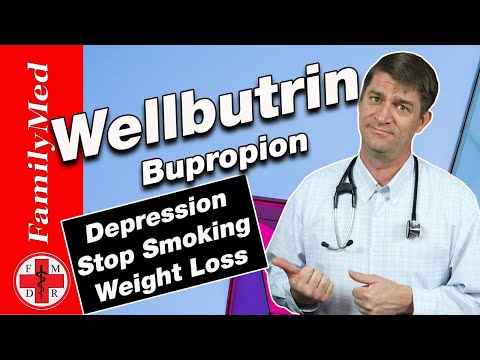
So, what if I told you there’s this medication called bupropion XL 150? It can step in when you feel like you’re drowning in it all.
Like a little boost to help lighten the load, so to speak. Let’s take a deeper look at how it works and why some folks swear by it!
Understanding Itching: Does Wellbutrin Cause Skin Reactions?
So, let’s talk about Wellbutrin and that pesky little side effect some people experience: itching. If you’ve been prescribed **bupropion**, which is the fancy name for Wellbutrin, you might be curious about whether it could be causing skin reactions. Itching isn’t a super common side effect, but it’s something worth understanding.
First things first, Wellbutrin is often used to help with depression and anxiety. It works differently from many other antidepressants because it primarily affects dopamine and norepinephrine levels in the brain. That’s why some folks find it really helpful in managing their mood.
Now, regarding **itching**—seriously, this can be frustrating! Some people report experiencing skin reactions after starting Wellbutrin. The thing is, these skin issues might not happen to everyone. Let’s break down what can happen:
- Allergic Reactions: Some individuals might have an allergic reaction to bupropion itself or the fillers in the medication. This could lead to symptoms like itching, rash, or hives.
- Dopamine Release: Wellbutrin messes with your brain’s chemistry. Changes in dopamine levels may lead your nervous system to react differently, potentially causing sensations like itchiness.
- Dry Skin: Sometimes when you’re adjusting to a new medication, your body goes through changes that can surface as dry skin, making you want to scratch.
- Interaction with Other Meds: If you’re on other medications too, there might be interactions leading to skin reactions—not unusual in polypharmacy.
Let me share a quick story here. A friend of mine started taking Wellbutrin and was super excited about feeling better. But then he noticed some irritating itching on his arms and back after a few weeks. He didn’t think much of it at first until it became distracting. Turns out he had a mild allergic response that just needed a little attention from his doctor.
If you’re experiencing **itching** or any other odd skin symptoms while on bupropion, don’t just shrug it off! It’s important to connect with your healthcare provider—they can help determine if the medication is indeed the culprit or if something else is going on.
Remember too—a lot of side effects diminish after your body adjusts to the medication over time. But always keep an eye on how you’re feeling overall!
Understanding the Link Between Bupropion and High Blood Pressure: What You Need to Know
So, let’s chat about bupropion, shall we? It’s a medication often prescribed for depression and sometimes for anxiety or to help with quitting smoking. But there’s a catch: it can mess with your blood pressure.
Bupropion works by affecting certain chemicals in your brain—like dopamine and norepinephrine. These are basically messengers that communicate between brain cells. When these chemicals are balanced, it can help lift your mood and make you feel a bit more like yourself. But here’s the thing; this balancing act can also lead to an increase in blood pressure.
- Blood Pressure Increase: Some people may experience high blood pressure when taking bupropion, especially with higher doses like the XL 150 mg. So if you’re already dealing with hypertension, this might not be the best choice for you.
- Monitoring is Key: If you’re on bupropion, your doctor may want to keep an eye on your blood pressure regularly. This way, any changes can be caught early. You know, better safe than sorry!
- Your Health History Matters: If you have a history of heart disease or high blood pressure, it’s super important to mention that to your doc before starting bupropion. They might suggest alternatives based on your health profile.
- Side Effects: Alongside the potential for increased blood pressure, some folks might feel jittery or anxious while on bupropion—kind of like drinking too much coffee. If that happens, talking to your healthcare provider is crucial.
I remember a friend who started taking bupropion after struggling with depression for years. She was hopeful because she heard great things about it! But within weeks, she noticed her heart racing and felt lightheaded sometimes. Turns out her blood pressure had shot up! Her doctor adjusted her medication after checking her levels periodically—and thankfully, she found something that worked without those side effects.
No one wants additional health issues while trying to manage their mental health—it just adds stress! So if you’re considering bupropion or already taking it and feeling off in any way (like high heart rate or headaches), let your doctor know right away.
The key takeaway here? Stay informed and collaborate with your healthcare providers about what’s going on in your body while adjusting treatments for depression. Your well-being is the priority!
Understanding Bupropion Side Effects: A Comprehensive Guide for Patients
Bupropion is an antidepressant that’s used primarily to help manage depression and can also aid with quitting smoking. It’s often prescribed in its extended-release form, like Bupropion XL 150. Now, let’s talk about side effects—because knowing what to expect is super important when you start a new medication.
The good news is that not everyone experiences side effects, and for many, the benefits outweigh any downsides. But it’s still crucial to be aware of what could happen.
Common Side Effects:
You might notice some stuff in the beginning as your body gets used to the medication. Here’s a quick rundown:
- Insomnia: Some people have trouble sleeping when they first start taking bupropion. It can be frustrating! Try adjusting when you take it or setting up a calming bedtime routine.
- Dry Mouth: Yep, this one’s common. Keeping water handy or chewing gum can help keep things fresh.
- Nausea: Feeling a bit queasy isn’t unusual. Eating smaller meals throughout the day might make this a little easier to handle.
- A headache: Some folks report headaches too. Staying hydrated could help reduce their intensity.
Now, these generally fade after your body adjusts. If they stick around longer than expected, give your doctor a shout.
Less Common Side Effects:
There are also some side effects that aren’t as frequent but are worth mentioning:
- Anxiety: Ironically, while bupropion can help with depression, some people feel more anxious initially. If anxiety gets worse, definitely reach out for advice.
- Tremors: A bit of shaking is possible but not super common. If this happens and bothers you, it’d be good to chat with your doc.
- Skin Reactions: Rashes or itching can occur too—for some people it’s mild but others may need to stop taking it if this happens.
Most of these aren’t serious but being informed helps you know when to talk to someone about what you’re feeling.
Serious Side Effects:
Though rare, there are some serious risks that come with bupropion that you need to watch out for:
- The Risk of Seizures: This is why doctors usually don’t prescribe it for folks with certain eating disorders or seizure disorders since it can increase that risk.
- Mood Changes: If you notice any significant shifts in mood—like increased depression or thoughts of self-harm—it’s essential to get help right away!
You should always feel comfortable discussing any side effects with your healthcare provider.
User Experiences:
Everyone’s journey with bupropion is unique! A friend once told me she had crazy dreams at first which faded after a few weeks—funny how our minds work sometimes! Others find it helpful because they don’t feel the foggy heaviness sometimes associated with other antidepressants.
That said—communication really is key when starting any new medication. Make sure you keep track of how you’re feeling and don’t hesitate to reach out if something doesn’t seem right.
Bupropion XL, you know, it’s one of those antidepressants that’s gotten a lot of attention lately. It’s often used to help manage depression and can even assist with quitting smoking. What you might find interesting is that it works differently from many other antidepressants. It isn’t a selective serotonin reuptake inhibitor (SSRI), which means it doesn’t focus on serotonin as much as some others do. Instead, it targets dopamine and norepinephrine, which are two neurotransmitters linked to mood and motivation.
I remember chatting with a friend who had struggled with depression for years. She tried different medications, but nothing seemed to click for her. One day, her doctor suggested giving Bupropion a shot. At first, she was hesitant—like most of us are when it comes to trying something new—but eventually, she decided to see how it would pan out.
After a few weeks of being on Bupropion XL 150 mg, she called me up full of excitement! She felt a shift in her mood and even found herself motivated to tackle some projects she had been putting off forever. It was like watching her slowly come back to life after being kind of numb for so long.
But here’s the thing: while Bupropion can work wonders for some folks—like my friend—it doesn’t mean it’s the magic fix for everyone. There are side effects too, like insomnia or an increased heart rate that can freak some people out. And hey, if you have epilepsy or eating disorders like bulimia or anorexia, Bupropion might not be the safest choice.
It just goes to show how unique we all are in our emotional landscapes. What helps one person might not work for another at all! It’s really important that anyone considering this medication has an open conversation with their doctor about what they’re hoping for and any concerns they might have.
You know? Sometimes sharing these personal stories makes mental health feel a little less isolating and scary!