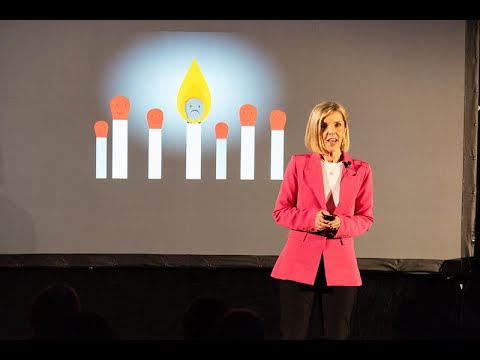
You know, being a therapist can be pretty intense. Seriously. You sit with people day in and day out, hearing their stories. Their struggles, their pain. It’s a lot to carry.
And then there’s your own life on top of that! Friends, family, all that jazz. It can feel overwhelming, huh?
Burnout isn’t just a buzzword; it’s real and it’s heavy. It sneaks up on you when you’re totally focused on helping others. The thing is, you can’t pour from an empty cup.
So let’s chat about this. Let’s look at what burnout looks like for the healers—yes, therapists are human too—and how we can find a way back to that spark. How does that sound?
Overcoming Therapist Burnout: Essential Strategies for Healing the Healer
Burnout is a real struggle for therapists. You’re constantly giving, listening, and supporting others, which can leave you emotionally drained. And it’s kind of like pouring from an empty cup, you know? If you don’t take care of yourself, how can you truly help others?
First things first: recognizing the signs of burnout is crucial. This might look like feeling exhausted all the time, getting easily frustrated with clients, or just feeling detached from your work. And trust me—these feelings are normal; they’re part of being human.
Next up: self-care. Seriously, you can’t pour from an empty cup. Dive into activities that recharge your batteries. Whether it’s going for a walk in nature, kicking back with a good book, or even binge-watching that show everyone’s talking about—find what makes you feel good.
It’s also super important to set boundaries. This might mean limiting your hours or knowing when to say “no.” Imagine you’re hanging out with friends and they keep asking you to help them with their problems all night. At some point, you’ve got to set limits so you’re not drowning in it all.
Another strategy? supervision and peer support. Talking things over with colleagues can be a lifesaver. You’ll find out you’re not alone in this struggle. Sharing experiences and discussing challenges helps lighten the load and offers new perspectives on tough situations.
And hey, let’s not forget about continuing education. Learning new techniques or approaches can reignite your passion for therapy. It brings fresh ideas into your sessions and can spark that motivation again! Think about workshops or seminars that excite you—you could even explore areas outside your usual focus.
Lastly: practice mindfulness. Just taking a few moments each day to breathe and be present can do wonders for stress relief. It helps center your thoughts and gives you that much-needed mental space.
In short, therapist burnout is intense but not unbeatable. Recognizing the signs early on makes such a difference. Filling up your own cup isn’t selfish; it’s essential for doing great work with clients down the line. So take it one step at a time—you’ve got this!
Overcoming Therapist Burnout: Essential Strategies for Healing Mental Health Practitioners
Therapist burnout is a real issue in the mental health field. When you’re giving so much of yourself to others, it can drain you emotionally and physically. You know how it feels, right? Sometimes, it’s like you’re pouring from an empty cup. Let’s chat about this a bit.
Burnout often shows up when you’re constantly exposed to others’ traumas and stressors. It’s like holding up a heavy weight for too long without any rest. Over time, that starts to wear on your mental health too. You might find yourself feeling exhausted, even if you’re getting enough sleep or struggling with feeling detached from clients—almost like you’re just going through the motions.
So what can help heal the healer? First off, self-care is essential. Don’t brush that under the rug! Taking time for yourself isn’t selfish; it’s necessary. Whether it’s taking a walk in nature, enjoying a good book, or practicing mindfulness, these little moments count.
Another thing to think about is setting boundaries. This means knowing when to say no and being okay with it. Too often therapists feel pressure to be available all the time. But hey, you deserve personal space too! It’s okay if sometimes you shut down your email after hours or take a breather between client sessions.
Also, supervision and peer support can be lifesavers. Connecting with fellow therapists lets you share experiences and feelings without judgment. You might be surprised how many people share similar struggles—you’re not alone in this!
And don’t forget about professional development. Sometimes having new tools in your toolkit helps reignite that passion for your work! Attending workshops or even going back to school can spark fresh enthusiasm and remind you why you started in the first place.
Finally, let’s talk about therapy for therapists. Yes, seriously! Seeking help isn’t a sign of weakness; it shows strength and self-awareness. Talking through your feelings with someone else can help clarify things and restore balance.
Burnout isn’t just something you’ll «get over» on its own; addressing it requires conscious effort. So remember: prioritize yourself just as much as your clients do—after all, if you’re not at your best, how can you help those who are counting on you? And together we can work towards finding ways to heal—not only our clients but ourselves too!
So, let’s talk about something that often gets overlooked in the mental health world: therapist burnout. It’s a real thing, and it’s like this sneaky little shadow that can creep up on even the most passionate healers. You know, those folks who dedicate their lives to helping others carry their emotional baggage? Yeah, they’re human too.
I remember a friend of mine—a therapist—who was so dedicated to her clients. She would spend hours prepping for sessions, pouring every ounce of empathy into her work. But over time, she started feeling drained, like she was running on empty all the time. It’s not that she didn’t care anymore; it’s just that the weight of everyone else’s pain began to press down on her shoulders. And let me tell you, that’s heavy stuff.
Burnout can manifest in many ways: chronic fatigue, irritability, even feelings of helplessness. Imagine being a lifeguard at a crowded beach but somehow starting to drown yourself. That sense of responsibility can be suffocating. That’s why it’s super important for therapists to prioritize their own mental health.
But how do they do that? Well, it’s not easy! Balancing self-care with client needs is tough when you’re knee-deep in other people’s struggles all day long. Some therapists find solace in supervision or peer support groups where they can share experiences and vent without judgment. Honestly, having someone say “Hey, I get it!” goes a long way.
And then there are things like setting boundaries. I mean, it sounds simple enough—right? But when your job revolves around understanding and helping others’ issues, saying «no» can feel impossible sometimes. It’s totally okay to take breaks or step back if things get overwhelming.
The reality is that when therapists take care of themselves first—like seriously make it a priority—they become better at what they do! They’re more present for their clients and not just going through the motions like some kind of therapy robot.
At the end of the day, addressing therapist burnout isn’t just about keeping them happy; it’s about ensuring that those who help others can actually continue doing what they love without burning out – because everybody deserves support and compassion—even healers need healing sometimes!
So if you know someone in this field or are thinking about diving into therapy yourself, remember: it’s okay to take time off for self-care because taking care of your own mental health is part of being effective at helping others with theirs!