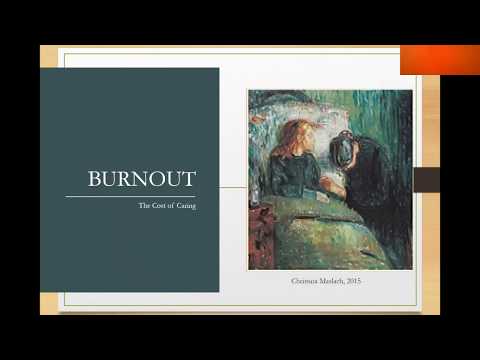
Burnout and depression? Ugh, they can really suck the life out of you. Seriously, it feels like running on empty. You wake up every day, and it’s like dragging a heavy weight just to get out of bed.
Maybe you’re stuck in a job that drains the joy right outta you. Or perhaps life just feels…too much sometimes. You know what I mean?
Things that once made you happy? They don’t hit the same anymore. And the worst part? It can feel super lonely. Like no one else gets it.
But hey, you’re not alone in this mess. Lots of people deal with burnout and depression, and there are ways to cope with those feelings. So let’s chat about it!
Effective Strategies to Overcome Burnout and Conquer Depression: A Comprehensive Guide
Burnout and depression can feel like weights dragging you down. You wake up, and it’s like the world is painted in grey. But there are ways to lift that fog, you know? So let’s chat about some effective strategies to tackle burnout and overcome depression.
First off, acknowledgment is key. Seriously. Just recognizing that you’re feeling this way is a massive step. It’s all too easy to brush it off or think you’ll just “get over it.” But your feelings are valid, and they deserve your attention.
Next, self-care isn’t just a buzzword; it’s essential. This doesn’t mean long spa days or fancy retreats. It can be simple things: taking a warm shower, going for a walk outside, or even curling up with a good book. Remember when we were kids? Playing outside felt amazing! Reconnect with those simple joys.
Another important aspect is setting boundaries. If you find yourself overwhelmed at work or in personal relationships, don’t hesitate to say no sometimes. It’s okay! People often feel guilty for not helping others all the time but setting limits protects your well-being.
And hey, don’t underestimate the power of social support. Reach out to friends or family. Sometimes just chatting about what’s bothering you can lighten the load significantly. I remember a time when I felt buried under my responsibilities; my buddy suggested we grab coffee and talk it out—that small outing made such a difference.
Now let’s talk about mindfulness. Sounds fancy, right? But it can be as easy as focusing on your breathing for five minutes each day or observing your surroundings without judgment. Just paying attention to the present moment helps quiet the constant storm of worries in our heads.
Also crucial is seeking professional help. Therapists have tools and strategies tailored for folks experiencing burnout and depression. There’s no shame in asking for help—everyone needs support sometimes.
Lastly, consider routine adjustments. Establishing a consistent daily routine can bring some much-needed structure back into your life—like setting regular sleep hours or scheduled breaks during work hours.
In short, fighting burnout and depression isn’t about flipping a switch—it takes time and effort, but you’ve got options that can reclaim joy in life! Don’t forget you’re worth it; finding what works best for you may be a journey, but it’s so worth taking!
Understanding Burnout vs. Depression: Key Differences, Symptoms, and Solutions
Burnout and depression might seem pretty similar, right? Like, you’re feeling drained, unmotivated, and overwhelmed. But they’re actually quite different. Let’s break it down.
Burnout typically happens when you’re just exhausted from work or constant stress. It’s that nagging fatigue where you feel empty and detached from your daily responsibilities. You might notice this if your job feels like a never-ending cycle of tasks, or maybe you’re juggling a bunch of commitments that leave you feeling fried.
On the other hand, depression digs a bit deeper into your emotional well-being. It can make everything feel hopeless and heavy—like you’re walking through mud all the time. You’re not just tired; it can affect how you see yourself and the world around you. Even getting out of bed can feel like a major win.
So what are the symptoms? Here are some to consider:
- Burnout: You might experience chronic fatigue, irritability, lack of motivation, or even physical symptoms like headaches.
- Depression: This includes persistent sadness, changes in appetite or sleep patterns, feelings of worthlessness or guilt, and sometimes thoughts of self-harm.
Now let’s talk about solutions because both these things can be really tough. For burnout:
- Take breaks: Seriously! Step away from work regularly to recharge.
- Set boundaries: Learn to say no when your plate is full.
For dealing with depression:
- Therapy: Talking to someone can provide relief and clarity.
- Medication: Some folks find that medication helps balance things out.
Here’s a quick example: imagine Sarah. She was working overtime constantly and felt totally drained—this was burnout kicking in. She started taking regular breaks and made time for her hobbies again. Over time, she felt more like herself.
Then there’s Mike who wasn’t just tired; he felt weighed down by despair daily. He struggled with motivation at work and lost interest in everything he used to enjoy—classic signs of depression. After discussing his feelings with a therapist, he began working on coping strategies.
The main takeaway? If your exhaustion comes from feeling overwhelmed by responsibilities without losing hope for better days ahead—that’s burnout talking. If life feels heavy and dark with no hope in sight—that’s depression ringing in your ears.
Being aware of these differences helps you seek the right support or make necessary changes in your life when needed!
10 Key Signs You’re on the Road to Recovering from Burnout
Burnout can feel like you’re running on empty, right? It’s that overwhelming sense of exhaustion where everything just seems too much. If you’ve been through it, getting back on your feet can take time. But let’s get into some signs that show you might be on the mend. Here are ten key indicators that you’re finding your way back from burnout.
You’re Feeling More Energized
Remember those days when getting out of bed felt like climbing a mountain? Well, if you notice that getting up feels a bit easier, that’s a good sign! You might find yourself waking up with more energy or even looking forward to the day ahead. That little spark of life is what you’re aiming for.
You’re Reconnecting with Interests
Have you found yourself losing interest in things you once loved? If you start picking up hobbies again—like painting, hiking, or reading—it shows you’re feeling better. For instance, maybe you used to enjoy cooking but lost the will to even boil water. If you’re now experimenting with new recipes, it’s a solid sign!
Your Mood is Stabilizing
Feeling emotionally drained and irritable happens during burnout. If you’ve noticed that your mood swings are leveling out and you’re more relaxed overall—like not snapping at people over minor issues—that’s progress. You might even catch yourself smiling more often!
You’re Setting Boundaries
If you’re starting to say «no» without guilt and know how to put yourself first, that’s huge! It shows you’re finally prioritizing your mental health over unnecessary stressors from work or personal relationships. Maybe in the past, you’d bite off more than you can chew just to please others.
You’re Seeking Support
Reaching out for help means you’ve recognized what you’ve been through. Whether it’s talking to friends or seeing a therapist, asking for help highlights strength, not weakness. It’s amazing how sharing your experiences can lighten that heavy load.
You Can Focus Better
When burnout hits, concentrating feels impossible. So if you find yourself able to focus longer without zoning out—like being able to finish tasks at work—give yourself a pat on the back! This clarity is vital as it means your mind is starting to regain its sharpness.
You’ve Got Your Appetite Back
When stress hits hard, eating habits often go haywire—either bingeing or forgetting meals altogether. Noticing changes in your appetite towards something healthier is encouraging! Enjoying food again could mean your body is healing too.
Your Sleep Quality is Improving
The nights of tossing and turning may finally be behind you! If you’re falling asleep faster and waking up feeling refreshed instead of groggy… yes! That means your body is probably done fighting against stress and fatigue.
You Feel Less Overwhelmed by Daily Tasks
Even simple errands like grocery shopping can feel daunting during burnout. If those same tasks seem manageable again—you’ve made big strides! It’s like watching sunlight break through after days of clouds; it signifies hope and recovery.
You Find Joy in Little Things Again
Lastly, if you start appreciating small moments—a lovely sunset or a funny meme—it indicates that joy is sneaking back into your life after all those dark clouds. These tiny sparks are actually significant markers that recovery is underway!
Burnout recovery isn’t something that happens overnight; it takes time and patience—so don’t rush it! Celebrate these wins along the way; they matter more than we often realize.
Burnout and depression, man, they can really mess with your head and your life. Like, picture this: you’re working hard, juggling responsibilities at work, home, maybe even trying to keep up with friends. And then one day, it just hits you like a ton of bricks. You wake up and feel… nothing. It’s like all that energy you once had just disappeared into thin air.
I remember when I experienced something like that not too long ago. I was juggling my job and a couple of personal projects I was super passionate about. But over time, the excitement faded; my motivation turned to mush. One morning, I sat at my desk staring blankly at the screen. My brain felt foggy. Everything felt like a chore—getting out of bed was a challenge! That’s when I realized things were off.
Burnout is basically when you push yourself so hard that you hit this wall where nothing feels rewarding anymore. It’s exhausting but in a way that makes you want to throw in the towel completely. And if you’re not careful? That can lead straight into the darker depths of depression where it feels like there’s no way out.
Navigating through this stuff isn’t easy—trust me on that one! You might find yourself wondering if it’s even worth trying to get back on track sometimes. But here’s the thing: recognizing what you’re going through is crucial for making any changes! You gotta listen to yourself instead of pushing through on autopilot.
Talking about it helps too—seriously! When I finally opened up to a friend about how I felt, it was like a weight lifted off my shoulders. They reminded me that it’s okay to take breaks and give myself grace instead of always striving for perfection.
And while all this sounds heavy-duty, there are ways to cope! Finding little things that bring you joy again can make such a difference—whether it’s going for walks outside or diving back into hobbies you love (remember those?). Look for support groups or even professional help if things get really tough; there are people who understand what you’re going through.
So yeah, burnout and depression can feel like these overwhelming mountains sometimes but slowly chipping away at those feelings? That can lead to brighter days ahead. Just remember: you’re not alone in this struggle; many have walked down this path before you—and they found their way back to the light too!