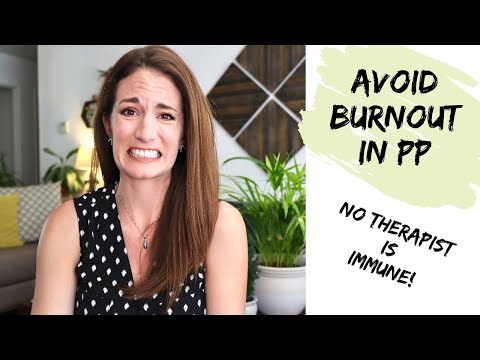
You know what? Burnout is a real thing. Seriously. It sneaks up on you when you least expect it.
I mean, you might feel tired all the time and even a bit distant from what used to make you happy. It’s like your fire just… fizzles out. And the crazy part? This isn’t just a personal struggle. Even counselors—those folks helping everyone else—feel it too.
Imagine pouring all your energy into helping others while your own tank is running on empty. That’s wild, right? So yeah, let’s chat about this. Coping with burnout is important, especially for those who help others navigate their own struggles.
We’ll break it down together and see how counselors can take care of themselves too. Because they matter as much as anyone else, you know?
Understanding Counselor Burnout: Essential PDF Resource for Mental Health Professionals
Burnout is a real thing, especially for counselors and mental health professionals. It’s like running a marathon without ever getting a break, you know? You start feeling exhausted, detached, and a little cynical about the work you so deeply care about. So let’s break down what counselor burnout is and how to recognize it.
What Is Counselor Burnout?
This term refers to the emotional, mental, and physical exhaustion that comes from prolonged stress in the counseling field. You might feel overwhelmed by your clients’ struggles or find it hard to maintain that initial passion for helping others. It’s like running on fumes; you just can’t give any more.
Signs of Burnout
It’s important to catch these signs early. Some common indicators include:
- Emotional Exhaustion: Feeling drained or fatigued after sessions.
- Cynicism: Developing a negative attitude towards clients or the profession.
- Inefficacy: Doubting your ability to help those you’re working with.
- Physical Symptoms: Experiencing headaches, sleep disturbances, or gastrointestinal issues.
One counselor I know mentioned feeling “like a robot” after long days of back-to-back sessions. They cared but had nothing left to give.
The Causes
So why does this happen? Several factors contribute to counselor burnout:
- High Workload: Juggling too many clients can stretch anyone thin.
- Lack of Support: Working in isolation can compound feelings of being overwhelmed.
- Difficult Cases: Constantly dealing with trauma or crisis situations takes an emotional toll.
Picture yourself listening to heartbreaking stories day in and day out. It’s heavy stuff!
Coping Strategies
Now that we’ve laid it out there, how do you deal with burnout? Here are some ideas that might help:
- Self-Care Rituals: Practices like meditation, exercise, or simply spending time with loved ones can recharge your batteries.
- Supervision and Peer Support: Talking with colleagues about your experiences can provide fresh perspectives and relief.
- Lifestyle Changes: Sometimes adjusting your work hours or taking regular breaks helps maintain balance.
A fellow therapist once shared how they rediscovered their passion for the job by starting a weekly yoga class. Just finding time for yourself matters!
The Importance of Resources
Having access to **essential resources**, like PDFs on coping strategies or burnout awareness workshops, helps mental health professionals understand and combat this issue effectively. Sometimes it’s just about arming yourself with knowledge so you can recognize when you’re heading towards burnout.
So if you’re in the trenches dealing with emotional fatigue—know you’re not alone! Taking steps toward addressing burnout isn’t just good for you; it’s vital for your clients too. When you take care of yourself first, you’re better equipped to help them navigate their own struggles. And that’s really what it’s all about!
Understanding Counselor Burnout: Insights from Scholarly Articles in Mental Health
Burnout in counselors is a real challenge, and it can hit hard. It’s not just about feeling tired. It’s like running a marathon without training. You start strong, but after a while, your body and mind just give out. When we talk about counselor burnout, we’re diving into a complex issue that affects their mental health and, ultimately, the clients they serve.
What is Counselor Burnout? In short, burnout happens when you feel emotionally exhausted and detached from your job. It can stem from constant stressors—like heavy caseloads or witnessing trauma without adequate support. It’s like trying to fill a cup that has a hole in it; no matter how much you pour in, it never stays full.
- Emotional Exhaustion: This means feeling drained when you go home after a long day. Imagine finishing a session with someone who poured their heart out to you and coming away feeling empty.
- Cynicism: Over time, some counselors might start seeing clients as «just another case.» Instead of being empathetic, they become more detached.
- Reduced Professional Efficacy: When you’re burned out, your ability to help others can take a massive hit. You might question if you’re making any difference at all.
So why does this matter? Well, when counselors are burned out, both they and their clients suffer. For instance, imagine sitting across from someone who desperately needs support and the counselor is mentally checked out—yikes! That’s not fair to anyone involved.
Coping Strategies are essential for those who find themselves teetering on the edge of burnout. Counselors need to take care of themselves too! Here are some insights based on what researchers have found:
- Supervision and Support: Engaging in regular supervision can provide emotional outlets for counselors. Just talking about your struggles can lighten the load.
- Setting Boundaries: Learning to say no or limit caseloads helps maintain balance. You wouldn’t try to carry five grocery bags in each hand while walking up stairs—right?
- Self-Care Practices: Activities like exercise or hobbies outside work can recharge one’s batteries. Think of it as regularly adding fuel to your tank instead of letting it run on empty.
It’s also vital for organizations to recognize signs of counselor burnout early on—to create supportive environments where mental health matters.
There’s an emotional layer here too: I recall chatting with a friend who works as a counselor—she was completely overwhelmed after several tough sessions in one day. It felt like her emotional strength was fading fast even though she deeply cared about her clients.
In summary, counselor burnout isn’t just some vague term; it’s something that needs urgent attention within the field of mental health care. Everyone involved—the counselors themselves and their clients—deserves better than that weariness that sneaks up when you least expect it!
Understanding Therapy Burnout: Signs, Causes, and Solutions for Patients
Therapy burnout is a real thing, and it can hit you harder than you think. It’s not just therapists who face burnout; clients can experience it too. You wanna get better, but sometimes the process feels overwhelming, exhausting even. You might feel like you’re running on empty and just can’t keep up with all those feelings swirling around.
So, what exactly does therapy burnout look like? Here are some signs to consider:
- Lack of Motivation: You used to feel excited about your sessions, but now it’s like pulling teeth to get yourself there.
- Emotional Numbness: The highs of breakthroughs have faded, and everything feels flat. Your therapist’s suggestions just don’t resonate anymore.
- Increased Anxiety or Frustration: You find yourself feeling more anxious or frustrated after sessions instead of feeling a sense of relief.
- Avoidance: Skipping appointments becomes tempting. You might even start making excuses to skip out.
- Feeling Like You’re Not Progressing: That sinking feeling that nothing’s really changing despite all the work you’ve put in.
These signs can creep up on you quietly. At first, it might just be a bad day or two; then suddenly, it turns into a pattern. You know how life gets busy with responsibilities piling up? Well, the same thing happens in therapy sometimes.
Now, let’s chat about why this happens—what are some causes?
Sometimes it’s just plain old emotional exhaustion. Therapy can stir up intense feelings that take a toll on your mental battery life. Or maybe you’re dealing with external stressors, like work pressure or family issues that pile on top of what you’re already sorting through in therapy.
Another big player is unrealistic expectations. Like expecting to feel perfect after a few sessions? That’s tough! Change is slow and messy; that’s how it goes.
Then there’s something called dissonance between therapist and patient. If there’s something off in your connection with your therapist, it can lead to frustration—like trying to fit a square peg in a round hole.
So what do you do about it? Here are some potential solutions:
- Tune In: Pay attention to those signs! Acknowledge that burnout is happening instead of pushing through blindly.
- Communicate: Talk to your therapist about how you’re feeling. Seriously! They want to help you navigate this stuff.
- Pace Yourself: It’s perfectly okay to take breaks between sessions or even have shorter sessions if that’s what you need.
- Dabble in Self-Care: Make time for activities that recharge your batteries away from therapy—go for walks, read books, try new hobbies!
- If Needed, Switch It Up:If all else fails and there’s still no connection with your therapist—even if they’ve been great for someone else—it might be time for a change.
Burnout isn’t a sign that you’re failing; it’s just part of the journey sometimes. Recognizing it is the first step in making things better. Remember: healing isn’t linear; it’s more like a rollercoaster ride—with ups and downs along the way!
Recovery from burnout takes time and patience so be gentle with yourself as you navigate through this phase—you’re not alone in this!
Burnout is one of those things that creeps up on you, isn’t it? You can start to feel exhausted and drained, and before you know it, you’re just going through the motions. For counselors, who are always out there helping others, it’s like an uninvited guest at a party. Imagine being the person everyone relies on but feeling like your own battery is running low. It’s tough.
I remember chatting with a friend who’s a therapist. She’s passionate about her work but had this moment where she just felt… empty. You could tell she was trying to support her clients while also dealing with her own exhaustion. It was hard for her to admit she needed a break—like somehow it made her less effective at her job or something. But here’s the thing: if counselors don’t take care of themselves, how can they effectively help others? It’s like drowning in water while trying to save someone else.
The problem with burnout is not just about feeling tired; it’s this overwhelming sense of hopelessness and frustration that can seep into everything you do. It can make even the smallest tasks feel monumental, and that pressure builds up over time. For counselors, who deal with heavy emotional loads daily, this pressure can be suffocating.
And what often happens? They push through because they feel like they should be strong for everyone else. But in reality, that strength often leads to their own mental health suffering in silence—kind of ironic when you think about it! I’m not saying finding balance is easy; life definitely doesn’t come with an instruction manual.
You know how sometimes we hear about self-care like it’s some kind of trendy buzzword? Yeah, well, it really isn’t just fluff; it’s a necessity! Whether it’s therapy for themselves or setting boundaries between work and personal life—counselors need to prioritize their mental health too.
There are so many ways counselors can cope with burnout; they could lean on peer support or maybe even engage in regular supervision sessions where they get to process their own feelings and experiences without judgment. Being open about struggles helps normalize these feelings among peers, which is refreshing!
In short? Counselors’ mental health matters because when they’re healthy and thriving—and honestly taking care of themselves—they can provide better support for those who need them most. There’s strength in acknowledging your limits; it doesn’t make anyone less valuable or capable. So let’s keep talking about this—it matters more than we realize!