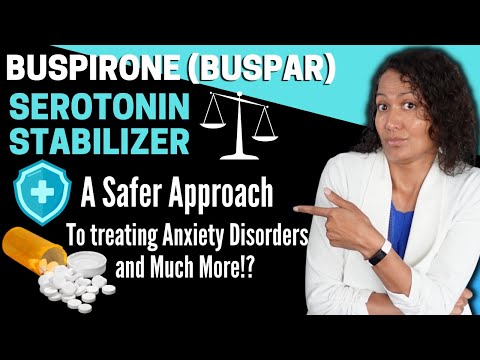
Hey, so let’s chat about something that comes up a lot—meds for mental health. You’ve heard of buspirone and sertraline, right? They’re pretty common, but they have their quirks, and understanding the side effects is super important.
I mean, it’s not just about swallowing a pill and calling it a day. These meds can have some surprising effects on how you feel. You might be thinking, “Do I really want to mess with my brain chemistry?” Totally get it!
So, let’s break this down together. I’ll share some real stuff about what these medications can do—good and bad. Sound good? Cool!
Understanding Sertraline: Can It Worsen Anxiety Symptoms?
When it comes to sertraline, which is often prescribed for anxiety and depression, there’s a lot of chatter about whether it can actually make anxiety symptoms worse. So let’s unpack that. You might be feeling overwhelmed by anxiety already, and adding a new medication into the mix can feel daunting, right?
Sertraline belongs to a group of medications called SSRIs (Selective Serotonin Reuptake Inhibitors). These guys work by increasing serotonin levels in your brain, which can help improve mood and reduce anxiety. Sounds pretty good on paper! But here’s the kicker: not everyone reacts to sertraline in the same way.
Some folks may find that when they start taking sertraline, their anxiety spikes at first. This can feel frustrating and confusing. You’re hoping for relief, but instead you feel more on edge. It’s important to know that this initial increase in anxiety can happen as your body adjusts to the medication.
- The first few weeks on sertraline might bring heightened feelings of anxiety or restlessness.
- This worsening is often temporary; many people notice their symptoms start to improve after about 4-6 weeks.
- If things don’t settle down or if your anxiety worsens significantly, reaching out to your healthcare provider is a must.
I remember chatting with a friend who started taking sertraline for her social anxiety. Initially, she felt like she was spiraling more than before! She shared how she dreaded leaving her house even more than usual. But after a month or so, the fog started lifting—her worries about social situations became less intense. It was such a relief for her!
Now, there are other medications like buspirone, sometimes used alongside SSRIs like sertraline. Buspirone primarily targets anxiety without being sedating or habit-forming but may also lead to some side effects like dizziness or nausea if you’re not careful.
The combination of these two medications should really be monitored closely because while they can balance each other out for some people, there’s always the risk of increasing side effects or anxiety from one or both meds.
If you’re considering or currently on sertraline (or buspirone), here are some things to keep in mind:
- Your reactions are unique: What works wonders for one person might not do anything—or worse—for another.
- Communication is key: Always keep an open line with your doctor about how you’re feeling during treatment.
- Pacing yourself is crucial: Remember that adjustments take time; give it a few weeks before deciding it’s not working.
Beneath all these nerves and medications lies a journey towards finding balance again and breaking free from that overwhelming sense of worry you may have felt before starting treatment. You’re not alone in this!
The bottom line? Yes, sertraline might initially worsen symptoms for some folks—it’s all part of the adjustment phase—but hang tight! With time and patience (and maybe some guidance from your doc), things could very well get better—and even brighter.
Understanding Buspirone: Effective Treatment for Anxiety and Other Mental Health Conditions
So, let’s talk about buspirone. It’s an interesting medication that’s used mainly to treat anxiety. You might have heard of it in the same breath as other anxiety meds, like the more commonly known SSRIs, which can sometimes be a little heavier on the side effects.
Basically, buspirone works by affecting certain receptors in your brain, mainly one called 5-HT1A. This receptor is involved in regulating serotonin, that feel-good chemical we all know about. The thing is, buspirone isn’t a one-size-fits-all solution; it’s often recommended when other treatments haven’t worked out.
Now, if you’re curious about how it stacks up against something like sertraline—which is also used for anxiety—you should know that buspirone is generally considered to have fewer side effects. Seriously! While sertraline can come with a bunch of potential issues like weight gain or sexual dysfunction, buspirone tends to be a bit gentler on your system.
But hold up! That doesn’t mean it’s without its quirks. Some people might experience dizziness or headaches when they start taking buspirone. For others, it could mess with their sleep pattern. So yes, while it can help manage anxiety effectively for many folks, it’s always important to chat with your doctor about what you’re experiencing.
Speaking of experiences—let me share a quick story. I had this friend who struggled with crippling anxiety for years. They tried a bunch of medications and therapies but nothing seemed to stick until their doc suggested buspirone. After some time (it doesn’t work overnight), they noticed a significant reduction in their anxious thoughts and could finally enjoy life again without feeling overwhelmed all the time.
If you’re considering this medication or any others like sertraline, here are some key points worth knowing:
- Onset Time: Buspirone usually takes a couple of weeks to really kick in.
- Treatment Duration: It’s often used as part of a longer-term plan rather than just for short-term relief.
- Interaction Caution: Always tell your doctor if you’re taking anything else; interactions can happen.
- No Withdrawal Symptoms: Unlike some other anxiety meds, you typically won’t face withdrawal symptoms when you stop taking buspirone.
To wrap things up—buspirone can be an effective treatment option for those dealing with anxiety and other mental health conditions compared to heavier hitters like sertraline. Just keep in mind that everyone reacts differently to medications! So if you’re thinking about trying it out or switching from something else, please go ahead and chat with your healthcare provider first—they’re there to help you navigate this stuff!
Understanding the Initial Side Effects of Sertraline: Why It Can Make You Feel Worse at First
So, let’s talk about sertraline. It’s a common medication used for anxiety and depression, but if you’ve just started taking it, you might be feeling like things are actually getting worse instead of better. That’s, um, not that unusual. Here’s why that happens.
First off, sertraline is what we call an SSRI, which stands for selective serotonin reuptake inhibitor. Basically, what this means is that it helps increase serotonin levels in the brain. It’s like putting more gas in your car to make it run smoother. But when you first start taking it, your brain hasn’t adjusted yet. So it can feel pretty rough for a while.
One reason you might feel worse initially is *your body is adjusting*. When you change anything in your routine—like starting a new medication—your body can react strongly. Think of it this way: if you suddenly switch up your diet or sleep schedule, there might be some hiccups before things settle down.
Here are some initial side effects that people often experience:
- Increased anxiety: This may sound counterintuitive since you’re taking the med for anxiety relief. It’s often due to the adjustment period.
- Nausea: Many folks report feeling queasy at first. It’s like when your stomach isn’t used to something new.
- Insomnia: Some people have trouble sleeping when they start sertraline; it can feel like your mind won’t shut down at night.
- Fatigue: Weirdly enough, even though sleep can be tough, a lot of people also feel tired during the day.
You’re probably wondering why these side effects happen. Well, one reason is that while sertraline increases serotonin over time, the sudden increase in serotonin levels can temporarily upset other neurotransmitters in your brain. Your body has to find its new balance—kind of like adjusting to a new rhythm in music.
Here’s an emotional anecdote: I once knew someone who started taking sertraline and felt utterly hopeless at first. She was worried the medication wasn’t working as everyone said it would—it felt heavier and more burdensome than before! But after about four weeks of sticking with it and talking with her doctor about her concerns, she began to notice glimmers of light peeking through her usual gray cloud.
In most cases, these initial side effects tend to fade away after a few weeks as your body gets used to everything. That doesn’t mean it’s easy; no one wants to feel worse before feeling better! Communication with your healthcare provider throughout this time is crucial because they can offer guidance and reassurance.
If the side effects stick around longer than expected or become too overwhelming, don’t hesitate to reach out for help; there are always options available with adjustments and alternative treatments.
So hang tight if you’re going through this right now; those choppy waters often lead back to smoother sailing down the line! Just give yourself—and your brain—some time to adapt.
You know, when it comes to meds like Buspirone and Sertraline, the conversation can really get a bit tricky. It’s not just the pills themselves but how they might affect you in ways you don’t even expect. Both of these are often prescribed for anxiety and depression, but man, those side effects can be a real rollercoaster.
I remember a friend of mine, let’s call her Jess. She was really struggling with anxiety and decided to give Buspirone a shot. The first week was kinda rough; she felt dizzy and had some weird headaches. But after a while, those symptoms mellowed out. What was wild though? It took several weeks for her to feel any relief from anxiety. Patience is seriously key with these medications.
Now, on the flip side, there’s Sertraline. This one is an SSRI—that’s short for selective serotonin reuptake inhibitor—which basically means it helps your brain use serotonin better. It’s often seen as the go-to for stuff like depression and OCD. A different friend tried it and felt great at first! But then came the side effects: nausea and insomnia hit hard. It’s like she was on this high emotional ride—up one minute, down the next.
Both medications can also throw in some emotional side effects too; that’s why it’s super important to talk to your doctor about how you’re feeling throughout the whole process. You might end up feeling more anxious or even experience mood swings before you find your groove with them.
But hey, mental health doesn’t just hinge on what you’re taking; it’s about how those meds mesh with your unique situation too—your life circumstances, support systems, and even therapy options play huge roles in how effective they are. So yeah, if you’re considering either of these or already taking them, always stay connected with your healthcare provider about any changes you notice—good or bad.
In all honesty? The journey is different for everyone! Some folks find their perfect match right away while others have to try a few options before settling down into what feels right for them. Just remember that you’re not alone in this whole process—you’ve got people who care about how you’re doing!