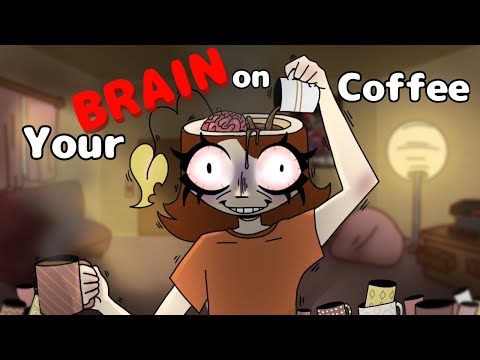
Hey, let’s talk caffeine. You know, that magical potion many of us rely on to kickstart our mornings. But did you ever think about how it messes with your brain?
Seriously, caffeine isn’t just about staying awake during that boring meeting or powering through a Netflix binge. It actually plays a role in mental health, especially when it comes to dealing with stuff like depression.
So, if you’re reaching for that cup of joe when you’re feeling down, there’s a little more going on than just the need for energy. It might surprise you how this little bean interacts with your mood! Let’s spill the tea (or coffee)!
Exploring the Benefits of Coffee for Alleviating Depression and Anxiety
So, coffee—it’s that magical potion many of us can’t start our day without, right? But it turns out, it might do more than just wake us up. There’s actual science poking around at how caffeine, the main ingredient in coffee, might help with feelings of depression and anxiety. And yeah, that sounds pretty interesting.
First off, caffeine is a central nervous system stimulant. This basically means it can kick your brain into gear. It raises alertness and improves mood for a lot of people. You know that feeling when you’ve just had your first sip of coffee in the morning? Well, that’s because caffeine blocks adenosine. Adenosine is this sleepy chemical in your brain that makes you want to crash on the couch after a long day.
Studies suggest that caffeine might decrease the risk of depression. For instance, some research found that people who drink coffee regularly report lower symptoms of depression compared to those who don’t drink it much. One large study showed that folks who had 4 cups of coffee daily were about 20% less likely to report feeling depressed.
Now let’s talk about anxiety. The thing is, while caffeine can give you a nice boost initially, *it can also make some people feel jittery.* That’s not ideal if you’re already dealing with anxious feelings. But in moderation—like a cup or two—it seems to have a calming effect for others.
The trick here is understanding how individual responses vary. Some may feel super energized and ready to take on the world after their coffee fix, while others may be left restless or even panicky. Your body reacts based on genetics and personal tolerance levels.
Also worth mentioning: there are some neurotransmitters involved here—those little chemical messengers in your brain! Caffeine increases dopamine (often called the “feel-good” neurotransmitter). More dopamine can mean improved mood and motivation.
Still, it’s important to remember: overdoing it on caffeine isn’t the answer—too much can lead to increased heart rate or mess with your sleep patterns! Just think about being wired all night followed by a brutal crash the next day; *not* fun!
To sum it up:
- Caffeine may reduce symptoms of depression for many.
- A moderate amount could help with anxiety but too much can cause jitters.
- Coffee boosts dopamine levels which helps enhance mood.
So really, if coffee helps you feel better and you enjoy it—why not? Just keep an eye on how much you’re drinking and how it makes you feel overall. Balance is key; listen to what your body tells you!
Exploring the Connection Between Caffeine and Depression: Insights from Reddit Discussions
So, caffeine! It’s that magical, pick-me-up elixir we often reach for when we’re dragging ourselves through the day. But what’s the deal with caffeine and depression? Let’s take a closer look at what folks are saying on Reddit and other places about this whole connection.
First off, caffeine is a central nervous system stimulant. It works like, you get energy from it, right? But it also has this funny relationship with your mood. Some people swear that a nice cup of coffee makes them feel more alert and happy. Others, though? Not so much.
1. Caffeine Might Boost Mood Temporarily. Many Redditors mention how they love their daily dose of caffeine because it gives them that little lift. It can help improve focus and reduce feelings of fatigue—basically helping you power through tough days.
2. Tolerance Develops. But here’s the kicker: over time, you might build up a tolerance to caffeine’s effects. So what happens? The initial mood boost fades away, making you depend on more to feel the same way. That can create quite the rollercoaster!
Now let’s talk about those who find caffeine isn’t doing them any favors when it comes to depression symptoms.
3. Anxiety and Restlessness. Some folks on Reddit point out that while they enjoy coffee in moderation, too much can make them feel jittery or anxious—like their minds are racing! And when anxiety sets in, well, depression might follow closely behind.
4. Sleep Disruption. If you’re gulping down caffeine throughout the day or even late at night, it can mess with your sleep schedule pretty badly. Lack of sleep is often linked to worsening mental health issues like depression.
Another interesting point discussed involves withdrawal symptoms.
5. Withdrawal Effects Can Mimic Depression. When some users cut back on or stop consuming caffeine suddenly, they experience headaches and fatigue among others things—kind of like feeling down in the dumps! This withdrawal can be confusing because it may resemble depressive symptoms.
On top of all that chatter about feelings and experiences comes some scientific insight too! Studies show that people who consume moderate amounts of coffee may have a lower risk of depression compared to those who don’t drink coffee at all—so there’s definitely still more we need to unpack about this connection!
In sum: caffeine can be both friend and foe when it involves mood regulation and mental health challenges like depression. It seems to officially take center stage as something that energizes some while complicating life for others.
So if you find yourself leaning heavily on your favorite caffeinated drink as an emotional crutch or notice side effects creeping up on your mood swings—it might be worth exploring how your relationship with caffeine is shaping your emotional landscape.
Exploring the Link Between Coffee Consumption and Depression: Insights from Recent Studies
Caffeine and mental health? That’s a topic that’s been brewing for a while now. So, let’s break it down and see how coffee, in all its glory, might relate to depression.
First off, caffeine is a central nervous system stimulant. This means that it can give you a little boost when you’re feeling sluggish. But the thing is, not everyone responds to it the same way. Some folks feel energized and happy after a cup of joe, while others might experience jitters or anxiety. And honestly, those feelings can tiptoe right into depression territory for some.
Recent studies have been looking into how coffee consumption plays into symptoms of depression. One significant finding suggests that moderate coffee drinkers may actually be at a lower risk of developing depressive symptoms compared to non-drinkers or heavy drinkers. Moderation seems to be key here! Too much caffeine can backfire. It might mess with sleep patterns or heighten anxiety—both of which are definitely not good for your mental health.
Here’s an interesting point: some researchers think that caffeine could enhance certain neurotransmitters like dopamine and serotonin—those are the chemical messengers in your brain that help regulate mood. When you sip on coffee, you might just be giving your brain a little motivational nudge. But don’t get too carried away with that idea! It’s not like chugging cups will solve deep-seated issues of sadness or mood disorders.
And let’s chat about withdrawal for a sec. If you’re used to having your daily fix and suddenly cut back? You might find yourself feeling pretty low or irritable—almost like what happens with other substances when they’re taken away from someone who relies on them. So it’s not just about drinking coffee; it’s also about how your body reacts when you stop.
Also worth mentioning is individual differences; genetics play a big role in how we metabolize caffeine and how it affects our mood overall. Some studies point out that people with certain genetic markers may feel more pronounced effects from caffeine than others.
In summary:
- Moderate consumption might lower depression risk.
- Caffeine boosts neurotransmitters linked to mood improvement.
- Excessive intake can lead to anxiety and sleep issues.
- Withdrawal effects can mimic depressive symptoms.
- Your genes matter in how you process caffeine.
So next time you’re at your favorite coffee shop, think about what you want from that cup—energy for work? Comfort in a routine? Just remember: balance is everything when it comes to enjoying your brew without letting it brew up any negative side effects on your mental health!
Caffeine, right? You probably think of it as your go-to pick-me-up. It’s that magical potion you sip when you need to wake up or push through a long day. But have you ever thought about how it plays into mental health, especially when it comes to feelings like sadness or depression? Yeah, it’s kinda interesting.
So picture this: a friend of mine was going through a rough patch. You know, the kind where everything feels heavy, and getting out of bed is a chore. She leaned heavily on her morning coffee—like, we’re talking multiple cups. At first, she said it helped her feel more alert and maybe even a little less down. But then, eventually, she ended up feeling jittery and anxious instead. It was like the caffeine was wearing her down more than lifting her up.
Caffeine is a stimulant that can boost mood temporarily because it increases dopamine levels in your brain—yeah, that feel-good chemical. So for some folks, a little dose can help combat the blahs. But here’s the kicker: when you’re already feeling low or anxious? Too much caffeine can actually crank up those feelings instead of easing them.
The reality is that everyone has a different relationship with caffeine. For some people, it’s a lifesaver that helps them battle the daily grind. For others? It can become this double-edged sword that stirs up anxiety or disrupts sleep—which we all know can mess with our mood even more.
And hey, if you’re dealing with depression or anxiety and finding yourself reaching for cup after cup just to keep your spirits up? It might be worth considering how much caffeine you’re consuming. Sometimes cutting back can lead to better sleep and less jitters over time.
So while caffeine might help pull you out of bed on tough days—just remember to listen to your body too. There’s no one-size-fits-all answer here; treating yourself kindly means figuring out what works for you personally in this whole mental health journey.