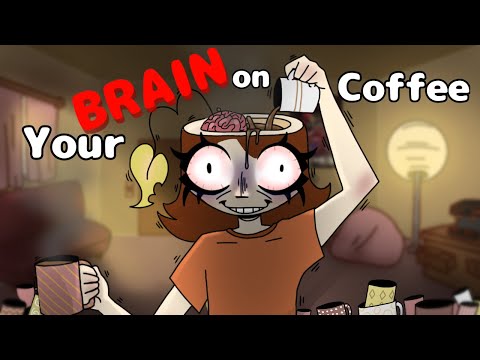
Hey, have you ever noticed how you feel a little more on edge after that third cup of coffee? I mean, seriously. Caffeine can get your heart racing and your mind spiraling, right?
So, let’s chat about this tricky little stimulant. It’s like a double-edged sword. Sure, it perks you up, but it can also send your anxiety levels through the roof. Can you relate?
If you’ve ever felt paranoid or jittery after too much caffeine, you’re definitely not alone. There’s actually science behind all of this. It’s pretty wild when you think about how something so common can mess with your head that way.
Stick around; we’re gonna unpack how caffeine might just be cranking up those anxiety and paranoia symptoms more than you’d expect!
Does Caffeine Trigger Paranoia? Exploring the Link Between Caffeine Consumption and Mental Health
Hey! So, let’s chat about caffeine and its relationship with paranoia and anxiety. Caffeine is a staple in many of our lives—coffee in the morning, an energy drink before a workout, or that soda you sip all day. But have you ever noticed how it can make you feel kinda jittery or on edge? Well, there’s a reason for that.
Caffeine is a stimulant. It works by blocking adenosine, a neurotransmitter that helps you relax. This means your brain gets a boost in excitement. For some people, especially those who might already be susceptible to anxiety or paranoia, this caffeine jolt can actually heighten those feelings. It’s like turning up the volume on an already loud song.
Some studies have shown that high doses of caffeine can lead to increases in heart rate and blood pressure. You might think, “What’s the big deal?” Well, when your body goes into overdrive, it sometimes leads to physical sensations that mimic anxiety—like shaking or sweating. Let’s say you’re sitting in a coffee shop and after three cups of espresso you suddenly feel like everyone is looking at you. That could be the caffeine kicking in.
Sometimes people might even experience what we call “caffeine-induced anxiety disorder.” Yeah, that’s a thing! Basically, if someone drinks way too much caffeine (think: five cups of coffee), they might start feeling symptoms similar to an anxiety attack. This includes sweating, rapid heartbeat, and even paranoia about things going on around them.
Another important aspect to think about is how caffeine affects sleep. If you’re consuming lots of caffeinated drinks throughout the day—or especially later on—it can mess with your sleep patterns. Lack of sleep is known to amplify feelings of paranoia and anxious thoughts because your brain isn’t getting the rest it needs.
So there’s this interesting cycle: more caffeine leads to less sleep which then may lead to more anxiety/paranoia—and you just end up reaching for another cup for some quick relief! It may feel helpful at first but often just digs a deeper hole.
Also consider individual differences—what works for one person doesn’t necessarily apply to another. Some folks can gulp down coffee all day without issues; others might feel paranoid after just one cup! If you’re someone who has ever had that gnawing feeling after your morning brew—you know what I’m talking about—it’s worth paying attention to how much you’re consuming.
In short:
- Caffeine boosts excitement by blocking adenosine.
- High doses can increase heart rate, leading to jitteriness.
- Caffeine-induced anxiety disorder can occur with excessive intake.
- Lack of sleep exacerbates feelings of paranoia.
- The effects vary greatly from person to person.
So next time you’re debating whether or not to grab another cup o’ joe, maybe think about how it’s making you feel overall. Cheers!
Understanding Constant Paranoia and Anxiety: Uncovering the Roots of Your Feelings
It’s totally normal to feel anxious sometimes, but if those feelings become constant, you might be dealing with something a bit more serious. Paranoia and anxiety can really get in the way of daily life, making even simple tasks feel overwhelming.
So, what’s going on? Well, one of the sneaky culprits behind these feelings can be caffeine. You know that jolt you get from coffee in the morning? It might not just wake you up; it could also fuel your anxiety. Caffeine is a stimulant that affects your nervous system. It boosts your heart rate and makes you more alert, which sounds good on paper. But if you’re prone to anxiety or paranoia, that extra energy can lead to some pretty uncomfortable feelings.
Here’s how caffeine ties into paranoia and anxiety:
- Increased Heart Rate: When you consume caffeine, your heart starts racing. For someone already feeling anxious, this spike can feel like impending doom.
- Fight or Flight Response: Caffeine triggers your body’s fight-or-flight response. This is awesome for dodging danger but not great when you’re just at home thinking about what to eat for dinner.
- Disrupted Sleep: Too much caffeine can mess with your sleep cycle. Lack of sleep is like an open door for anxiety to walk right in.
Let’s say you’re someone who loves their morning brew—or three! You might notice that after a few cups, your mind races with worries about conversations you had last week or whether your coworkers think less of you. This is where paranoia comes in, twisting random thoughts into bigger issues.
Sometimes it feels like being stuck in a loop of worry—you’re hyper-aware of everything around you, almost like you’re under a magnifying glass. That feeling can leave you exhausted and confused because… well, it’s hard to understand why those thoughts keep happening!
Now imagine being at a party where everyone seems to be having fun while you’ve locked yourself in a corner worrying if anyone’s even noticed you’re there. It’s tough! Whether it’s fear that people are judging you or thinking everyone knows about that embarrassing moment from years ago—it all adds up.
But don’t freak out! Recognizing how caffeine impacts your mental health is actually the first step toward feeling better. If reducing caffeine intake sounds daunting—you’re not alone! Take it slow by cutting back gradually; swap coffee for herbal teas or even decaf if you’re not ready to let go completely.
The key takeaway here? Caffeine does contribute to heightened anxiety and paranoia for many people. Tuning into how it affects you personally offers a path toward managing those intense feelings more effectively over time.
You’ve got this! Remember that acknowledging how certain habits affect your mental state is powerful stuff—and it’s the start of understanding what works best for you.
Understanding Caffeine Anxiety: Duration, Symptoms, and Management Tips
So, caffeine. You probably love your morning cup of coffee, right? But here’s the thing: while it can give you that nice boost to kickstart your day, it can also stir up some anxiety. Yeah, seriously! Ever felt your heart racing after one too many espressos? You’re not alone.
When we talk about **caffeine anxiety**, it’s basically when caffeine makes you feel super jittery or anxious. The symptoms can vary but often include:
- Increased Heart Rate: It can feel like your heart is doing a little dance in your chest.
- Restlessness: You might find it hard to sit still or concentrate on anything.
- Nervousness or Jitters: That shaky feeling can make you more paranoid than usual.
- Sleep Disturbances: Too much caffeine can mess with your sleep schedule and leave you feeling exhausted yet wired.
- Panic Attacks: In some cases, caffeine can trigger full-blown panic attacks if you’re already prone to anxiety.
Now, how long does this last? Well, the effects of caffeine can hit you pretty quickly—often within 30 to 60 minutes of consumption. But here’s the kicker: those effects can linger for hours. Depending on how much you’ve had and your individual sensitivity (some folks are just more caffeine-sensitive), the anxiety might hang around for a good six hours or even longer!
It’s wild because caffeine blocks adenosine—a chemical in your brain that promotes sleep and relaxation—making everything feel a bit more intense than usual. And if you’re already stressed about something? Yikes! Caffeine just cranks up that anxious vibe.
So what do you do about it? Here are a few management tips that could help keep that coffee buzz from turning into a panic attack:
- Limit Intake: If you’ve noticed that your anxiety spikes after coffee, try cutting back. Switch to decaf or herbal teas.
- Stay Hydrated: Sometimes overstimulation feels worse when you’re dehydrated. Drink plenty of water!
- Breathe Deeply: When you start feeling anxious, take a few deep breaths. Inhale through the nose for four counts, hold, then exhale through the mouth.
- Add Some Physical Activity: A quick walk outside or some stretching might help burn off some of that extra energy and tension.
- Tune Into Your Body: Listen to what it’s telling you. If caffeine isn’t working for you anymore, that’s okay!
Seriously though, everyone’s body reacts differently to caffeine; what feels energizing for one person could be a recipe for anxiety for someone else. It’s all about finding what works best for **you**.
If after trying these tips you’re still struggling with heightened anxiety due to caffeine or if it’s impacting your daily life significantly, don’t hesitate to reach out to a mental health professional. They’re there to help sort through this stuff with you.
In the end, coffee can definitely be part of our lives; just learn how to balance it so it doesn’t throw you off-kilter!
Okay, so let’s talk about caffeine and that little thing called anxiety. I mean, we’ve all been there, right? You’re feeling a bit jittery after downing that third cup of coffee or maybe a double espresso, and suddenly your mind is racing. You’re questioning everything—your work, your relationships, even what you had for breakfast. Like, wow! Isn’t that just lovely?
So here’s the deal: caffeine is a stimulant. It gets your heart pumping and gives you a nice little energy boost. But too much of it can send your anxiety levels through the roof. Imagine trying to chill at home when your brain’s got its own DJ spinning records at full volume—it’s exhausting! There’s this whole science thing going on where caffeine messes with your neurotransmitters, like norepinephrine and adrenaline. These guys are responsible for the fight-or-flight response, which is supposed to help you out when there’s actual danger.
But when it’s just you sitting on the couch feeling like the world’s collapsing around you because of an extra latte? Yeah, not so helpful anymore.
I remember this one time—I was buried in work deadlines and decided to fuel up with some strong coffee to push through. Bad move! I ended up pacing around my apartment like a caged animal while my heart raced as if I was about to run a marathon. And all those little worries? They morphed into giant monsters in my head! It was like caffeine had turned on a spotlight on every tiny insecurity I had.
But it doesn’t stop there; heavy caffeine consumption can also interfere with sleep. So now you’re hyped up all day but crashing hard at night without any restful sleep? Yeah, that’s a recipe for heightened anxiety if I’ve ever seen one!
Anyway, it isn’t that caffeine is inherently bad—some people drink their morning coffee without any issues—but if you notice you’re feeling anxious or paranoid after indulging in too many caffeinated drinks? Maybe it’s time to reassess your relationship with java or energy drinks.
So yeah, if you find yourself spiraling into worry land after that third cup of joe, just be mindful of how much you’re consuming. Sometimes less really is more!