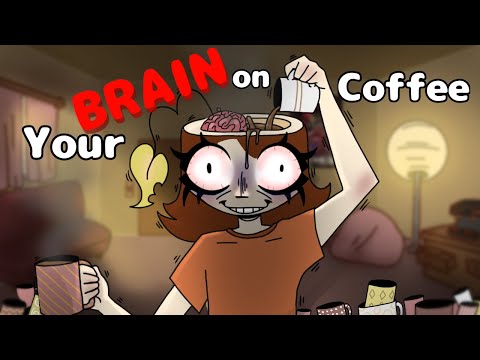
You know that jittery feeling you get after a few cups of coffee? Yeah, that’s anxiety creeping in. It’s like your heart’s doing a little dance while your brain races at full speed.
Caffeine can be a tricky friend. One minute, it’s boosting your energy and focus. The next, it’s turning your thoughts into a whirlwind of worry.
Ever tried to chill out after downing an espresso? It’s not so easy, right? Anxiety and caffeine often go hand in hand, leaving you feeling pretty overwhelmed.
Let’s talk about how to manage that caffeine-induced chaos. You’re definitely not alone in this!
Effective Strategies to Manage Caffeine-Induced Anxiety and Find Calm
Managing anxiety can be tricky, especially when caffeine’s involved. You’ve probably noticed that after a few cups of coffee or that energy drink, your heart starts racing, your palms get sweaty, and your mind goes into overdrive. It’s like a rollercoaster you didn’t sign up for!
So let’s talk about some effective strategies to manage that caffeine-induced anxiety and find a little calm amidst the chaos.
First things first, understand your limits. Everyone reacts to caffeine differently. For some people, even a small amount can send them spiraling into anxious thoughts. Pay attention to how much caffeine you consume daily and notice how it makes you feel. You might want to try cutting back gradually if you find yourself jittery or anxious.
Now, here are a few strategies that could really help:
- Hydrate: Drink water! Caffeine can dehydrate you, which might make anxiety worse. Aim for at least eight glasses of water a day.
- Mindfulness exercises: Focusing on your breath can seriously help ground you when things feel overwhelming. Just take a moment, close your eyes, and take slow deep breaths in through the nose and out through the mouth.
- Switch up your drinks: Try herbal teas or decaf options instead of regular coffee or energy drinks. You’d be surprised how soothing chamomile or peppermint tea can be!
- Create a calming environment: Surround yourself with things that make you feel good—soft lighting, pleasant scents like lavender, maybe some calming music playing in the background.
- Physical activity: Exercise is amazing for reducing anxiety! It doesn’t have to be anything crazy; even going for a walk can really help clear your mind.
- Talk it out: Sometimes just chatting with someone about how you’re feeling can lighten the load. A friend or therapist might have insights that help put things into perspective.
- List out worries: Grab a notebook and jot down what’s bothering you—make it real. This process of externalizing worries often makes them feel less daunting.
Look, I get it—sometimes all this feels like too much when you’re in the thick of anxiety. There was this one time I downed way too much coffee before an important presentation. My heart raced so fast I thought I’d turn into a cartoon character! But then I slowed down and remembered these little tricks: breathing deeply helped me regain control.
Caffeine-induced anxiety isn’t just an inconvenience—it’s something many people face at one point or another. So if you’re feeling overwhelmed by jitters after that third cup of joe, give these strategies a try and see what sticks for you! Remember, it’s all about finding what works best for you personally in managing those feelings and regaining calmness again.
Exploring L-Theanine: A Natural Solution for Caffeine Sensitivity Relief
Caffeine. It’s like the lifeblood for some of us, right? We drink coffee to wake up, stay alert, and push through that afternoon slump. But here’s the catch: for some folks, caffeine can stir up unwanted feelings of anxiety or jitteriness. Not fun at all. That’s where **L-theanine** comes in, offering a potential natural solution for those who get too wired from their daily caffeine fix.
L-theanine is an amino acid found mainly in tea leaves. It’s known for promoting relaxation without drowsiness. Imagine sipping on a green tea while still feeling focused—that’s L-theanine working its magic! When consumed with caffeine, studies suggest it can help smooth out the rough edges of that jittery energy you might feel after your morning coffee.
So how does this work? Basically, L-theanine increases levels of certain brain chemicals like GABA, serotonin, and dopamine. These chemicals play a big role in mood regulation and relaxation. When paired with caffeine, which usually increases focus but can also heighten anxiety or agitation, the calming effects of L-theanine can help balance things out.
Here are a few things to keep in mind:
Of course, everyone’s different. What works wonders for one person might not do anything for another. You know how it goes—like trying on shoes; sometimes they just don’t fit right.
Consider this scenario: imagine a friend who loves their morning espresso but ends up feeling anxious every time they drink it. They try adding an L-theanine supplement into their routine—just enough to take the edge off without losing that coffee buzz they adore! Over time, they notice they’re less jittery and more focused during their busy day at work.
But here’s something important: if you’re thinking about adding **L-theanine** into your routine along with your beloved caffeinated drinks, it’s always good practice to chat with a healthcare professional or someone knowledgeable about supplements. They can guide you based on your personal health history.
In summary: if you find yourself dealing with anxiety linked to caffeine consumption and want a natural way to manage those feelings, consider looking into L-theanine as part of your strategy. It’s all about balance—you shouldn’t have to sacrifice energy for tranquility!
Caffeine vs. Nicotine: Which Substance Exacerbates Anxiety More?
Anxiety can be tricky, right? And when you throw in caffeine and nicotine, it gets a little more complicated. Let’s break it down and see how these two substances mess with our heads.
First off, caffeine is known for giving you a boost. It’s that jolt you feel after your morning coffee or that extra shot in your latte. Basically, it works by blocking adenosine, a chemical in your brain that makes you sleepy. So, instead of feeling relaxed, caffeine ramps up your heart rate and can even lead to jitteriness if you overdo it. Imagine sitting in a meeting trying to focus while your heart feels like it’s racing—you’re just not at ease.
On the other hand, nicotine, which is found in tobacco products, has some different effects. It can initially create a sense of calm for many smokers. You might think this is great for anxiety relief; however, the calm often fades quickly and leaves behind withdrawal symptoms that can actually ramp up anxiety levels when the nicotine wears off. Think of it like riding a rollercoaster—there’s that thrilling high but then the sudden drop leaves you feeling anxious again.
Now, let’s talk about how these two play into anxiety disorders specifically:
- Caffeine: For those already struggling with anxiety disorders like Generalized Anxiety Disorder (GAD) or Panic Disorder, caffeine can sometimes intensify those symptoms. Researchers have shown that high doses may lead to increased feelings of nervousness or panic attacks.
- Nicotine: Although some people use nicotine to cope with stress temporarily, studies suggest that heavy use increases overall anxiety levels over time due to its addictive nature and withdrawal symptoms.
Here’s an example: Picture someone who’s already feeling anxious before a big presentation at work—if they pound down three cups of coffee before stepping on stage because they want to be “alert,” they might find themselves shaky and unable to focus instead of confident and poised.
You might wonder if one is better than the other when managing anxiety levels. So here’s the deal: while caffeine tends to produce immediate spikes in anxiety symptoms if taken excessively, nicotine’s long-term effects can actually create patterns of dependence that are hard to shake off—leading to more anxiety over time.
In terms of moderation:
- Aim for lower amounts of caffeine; maybe stick to one cup rather than three.
- If you’re using nicotine as a crutch for anxiety relief, consider talking to someone about healthier coping mechanisms.
Understanding how each substance affects your body is key here. It’s all about finding what works best for you without adding unnecessary stressors into your life.
So yeah, whether you’re leaning towards caffeine or dealing with nicotine cravings—it’s always worth keeping an eye on how you feel afterward. A little self-awareness goes a long way in managing those anxious moments!
You know how sometimes when you drink coffee, you feel supercharged and ready to conquer the world? But then there are moments when that same cup makes your heart race, and suddenly, you’re feeling jittery and anxious. It’s like a rollercoaster ride you didn’t sign up for.
I remember this one time I downed a double-shot espresso before an important meeting. I thought it’d give me that extra boost, but instead, I was tapping my foot like crazy, sweating more than usual, and trying to keep my thoughts from spiraling out of control. It was pretty embarrassing! Imagine me trying to focus on what my boss was saying while my mind felt like it was doing 100 laps around the track. Not fun at all.
Caffeine is one of those sneaky little things in our lives. For many people, it’s a go-to pick-me-up. You wake up groggy, you grab your coffee or tea, and bam! You’re awake. But for some folks – especially if you’re already prone to anxiety – that little jolt can turn into a full-on anxiety fest.
What happens is caffeine stimulates your nervous system, which can lead to increased heart rate and even make you feel shakier than usual. If you’re someone who grapples with anxiety or has been under stress, adding caffeine into the mix might just push your system over the edge.
So, what do we do about it? It’s all about tuning into how your body reacts. If you notice those anxious feels creeping in after sipping on that latte or energy drink, maybe it’s time to dial it back a bit or switch things up. Herbal teas can be soothing; they’re warm and comforting without sending your nerves into overdrive.
It can be tough to strike that balance between enjoying caffeine and managing anxiety. Sometimes just being aware of what triggers those feelings can help us make better choices—it’s like knowing where the potholes are on a road so you don’t hit them head-on!
At the end of the day, life is about finding what works best for you—and if cutting back on caffeine helps calm those anxious moments for good? Well then that’s definitely worth considering!