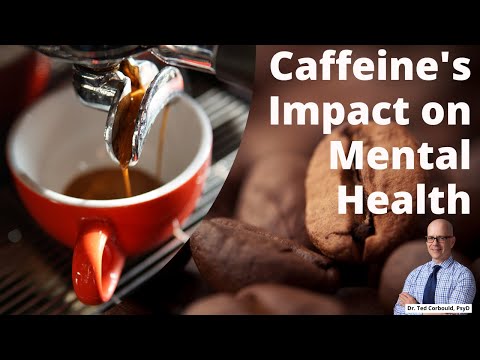
Hey, you ever think about how coffee and mood kinda go hand in hand? I mean, seriously, that morning cup might just be more than a ritual for some of us.
Caffeine can do some wild things to our brains. For folks with bipolar disorder, it’s like a rollercoaster ride that can go up or down real quick. Like, one minute you’re buzzing with energy, and the next, you’re feeling kinda anxious or jittery.
But here’s the thing: it’s not just about how it lifts you up or drags you down. Caffeine’s role in mental health is pretty complex. Let’s dig into what that means for your wellbeing—and maybe your next coffee break, too!
Exploring the Effects of Caffeine on Bipolar Disorder: What You Need to Know
So, let’s talk about caffeine and bipolar disorder. It’s a topic that kinda deserves its time in the spotlight. You know how we all love that kick-start in the morning from a cup of coffee or an energy drink? Well, for some folks with bipolar disorder, it can be more complicated than that.
Caffeine can affect mood levels. It’s not just a pick-me-up; it can actually mess with how you feel. Think about it—caffeine might give you that initial boost, but then there’s a crash later. For someone who has bipolar disorder, those mood swings can be even trickier to navigate. Too much caffeine might trigger mania or hypomania in some people. Seriously, it can be like throwing gasoline on a fire.
Then there’s the flip side. Some folks with bipolar disorder might rely on caffeine to combat feelings of fatigue during depressive episodes. I mean, who hasn’t reached for another cup when they’re feeling low? But this approach can lead to a cycle of dependence and could worsen symptoms over time.
Now let’s break down how caffeine works in the body:
- Stimulant effects: Caffeine is a central nervous system stimulant. It blocks adenosine—this chemical that makes you feel sleepy—so you stay alert and awake.
- Mood changes: Research shows that caffeine consumption can influence neurotransmitters like dopamine and serotonin, which are key players in mood regulation.
- Sleep disruption: Too much caffeine, especially later in the day, messes with your sleep patterns. Sleep is super important for anyone with bipolar disorder because lack of it can trigger mood episodes.
You see, finding balance with caffeine isn’t straightforward for everyone, especially if you’re living with bipolar disorder. One friend of mine used to drink coffee all day long to get through his job—totally understandable! But he noticed that after too much caffeine during work hours, he’d feel overly energetic at night when he was trying to wind down.
But here’s the thing: everyone reacts differently. Some people might not notice any major changes while others need to tread carefully. If you’ve got bipolar disorder or know someone who does, it’s always best to keep an eye on how caffeine affects individual moods and behaviors.
So what should you do? Maybe keep track of your intake and how you’re feeling afterward. If you notice swings or other symptoms getting wonky after your coffee fix or energy drinks, it could be worth cutting back a bit.
At the end of the day, it really comes down to knowing your body and what works best for you. There are no one-size-fits-all answers here! Staying aware of how your mental health reacts to different things—like caffeine—is key in managing bipolar disorder effectively over time.
Listen to your gut and consult health professionals when needed; they really help navigate this stuff better than anyone else!
Exploring the Effects of Caffeine on Mood: Can It Act as a Natural Mood Stabilizer?
So, let’s talk about caffeine and how it impacts your mood. You know that jolt you get from your morning coffee? It’s not just about waking up. Caffeine can actually mess with your mood, and for some folks, it might even serve as a sort of natural mood stabilizer. But hold on, there’s more to it.
Caffeine is a stimulant. It works by blocking adenosine, which is a chemical in your brain that makes you sleepy. When adenosine gets blocked, other chemicals like dopamine and norepinephrine ramp up. This can make you feel more alert, focused, and—surprise!—even happier for a while. But the effects aren’t always straightforward.
You might think that feeling great after a cup of joe means caffeine is always good news for your mental health. Well, not necessarily! There are two sides to this coin.
First off, too much caffeine can lead to anxiety. If you’re already feeling jittery or on edge, chugging an extra espresso might just send you over the edge. For people who live with anxiety disorders or bipolar disorder, this overstimulation can trigger manic episodes or worsen anxiety symptoms.
Now let’s zoom in on bipolar disorder specifically. Some studies suggest that small amounts of caffeine may help stabilize mood. People with bipolar disorder often experience extreme highs and lows emotionally. And during those low points, caffeine might give them the lift they need—not to mention the boost of motivation that can be hard to come by when you’re feeling down. But here’s the kicker: if someone prone to manic episodes gets too much caffeine? Yikes! That could mean trouble.
Another thing to consider is how caffeine affects sleep quality. Lack of sleep can totally mess with your mood and mental well-being overall. So if you’re downing coffee late in the day and struggling to catch those Z’s at night? That could hurt more than help in the long run.
So what’s the takeaway here?
- Caffeine boosts alertness, making you feel good temporarily.
- But excessive intake may increase anxiety and potentially trigger manic episodes in sensitive individuals.
- A few cups might help during depressive phases in bipolar disorder but moderation is key!
- Too much caffeine messes with sleep quality, impacting overall wellbeing.
Just remember: everyone’s different when it comes to how their bodies react to stuff like this. If you’re considering using caffeine as part of managing your mood or if you’ve got any mental health concerns going on? Definitely worth chatting with someone who knows their stuff—like a doctor or therapist—about what works best for you personally!
Discover the Best Superfoods for Managing Bipolar Disorder: Nutritional Insights and Benefits
Managing bipolar disorder is no easy feat, and while therapy and medication are often the main players in that journey, nutrition can also step into the spotlight. Seriously, what you eat can affect your mood and overall well-being. So, let’s chat about some superfoods that might help you navigate those ups and downs.
First off, **omega-3 fatty acids** are a big deal. Found in fish like salmon and sardines, they help with brain health. Studies have shown that folks with bipolar disorder might benefit from these fats. They can improve mood stability—pretty cool, right?
Then there are **leafy greens**, like kale or spinach. These veggies pack a punch with vitamins such as folate and magnesium. Both nutrients are linked to lowering symptoms of anxiety and depression. Eating a salad could actually provide some emotional balance!
You also want to consider foods rich in **antioxidants**, like berries or dark chocolate (mmm!). Antioxidants help combat oxidative stress in the brain, which might play a role in mood regulation. Just imagine enjoying a bowl of colorful fruit while giving your brain a boost!
Don’t forget about **whole grains**—think oatmeal or brown rice. They release energy slowly and keep blood sugar levels steady. Sudden spikes or drops can impact your mood, so keeping things balanced is key.
Now, let’s talk about caffeine for a moment. While many people love their morning coffee, it can be tricky for those with bipolar disorder. Caffeine may disrupt sleep patterns and lead to anxiety—two things you really don’t want when managing your moods.
But it’s not all doom and gloom! Some people find that moderate caffeine doesn’t affect them negatively at all—it’s really personal here. If you notice that caffeine makes you feel jittery or increases depressive feelings, it might be worth cutting back.
Also important is staying hydrated! Water is often overlooked but crucial for mental clarity and emotional stability. Dehydration can lead to irritability or fatigue––not great for someone dealing with mood swings.
So what’s the bottom line? Eating well may just give you an extra edge when managing bipolar disorder. While no single food will magically solve problems, incorporating these superfoods into your diet could pave the way for better emotional balance over time.
And remember: everybody’s different! What works wonders for one person may not do much for another—you follow me? It’s all about finding what helps *you* feel good both mentally and physically!
Caffeine, that delightful little pick-me-up, is something we often reach for when we’re feeling sluggish. But for those with bipolar disorder, it can be a bit more complicated than just a jolt of energy. Like, think about it for a sec—when you’re buzzing from a cup of coffee or an energy drink, it might feel amazing at the moment. But then there’s that rollercoaster effect, right? You might experience that euphoric high followed by a crash, and for someone managing bipolar disorder, these swings can mess with mood stability.
Let me tell you about my friend Sarah. She used to drink coffee like she was in an Olympic sport. It was all good until she noticed her mood swings got wackier than usual—one minute she was on top of the world during a manic phase and the next she was in the depths of despair. After chatting with her therapist, they started looking into how much caffeine she was consuming and dissected its role in her emotional rollercoaster. Turns out, reducing her caffeine intake helped smooth things out quite a bit.
So, here’s where it gets interesting: caffeine is a stimulant. It can elevate mood temporarily but may increase anxiety and agitation long-term—definitely not what you want if you’re trying to keep those wild mood changes in check. And while some folks swear by their morning brew as part of their routine, others find that even small amounts can trigger symptoms or make them feel jittery and restless.
But let’s not get too gloom-and-doom here! Caffeine does have its benefits too; it can enhance cognitive function and even help improve focus for some people. Finding the sweet spot between enjoying your coffee and managing mental health is key. You gotta listen to your body; what works wonders for one person might make another feel like they just had an espresso shot to the heart.
Ultimately, it’s all about balance—a little self-awareness goes a long way! Like Sarah found out through trial and error, keeping tabs on how caffeine affects your mood can lead to better management of bipolar disorder or any other mental health condition we’re dealing with. So whether you’re team “I need my coffee” or team “no thanks,” just remember: it’s all about what makes you feel stable and healthy!