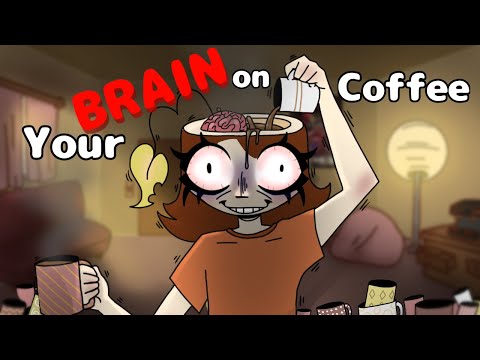
Hey, have you ever felt that jittery vibe after downing a cup of coffee? I mean, that rush can be kinda nice, but sometimes it feels like a little too much. You know what I mean?
Caffeine is everywhere these days—morning brew, energy drinks, even chocolate! But here’s the thing: for some folks, it might kick up anxiety levels. Seriously.
So let’s chat about this. Why does that happen? What’s going on in your body when you mix caffeine and nerves? Grab your favorite drink, and let’s dig into it!
Exploring the Impact of Caffeine on Anxiety: Myths and Facts
Caffeine and anxiety are like that one friend who just can’t get along. They have a complicated relationship, and it’s worth exploring what’s going on there. You might be wondering if that morning cup of coffee is making your heart race or your palms sweat. So, let’s break it down.
First off, caffeine is a stimulant. This means it speeds up your body’s systems—including your heart rate and nervous system. If you’re prone to anxiety, those effects can feel pretty intense. The thing is, some people experience increased anxiety symptoms when they consume caffeine. That includes feelings of nervousness, restlessness, and even panic attacks. But don’t freak out just yet; it’s not the same for everyone.
Now, let’s talk about myths surrounding this topic because they can muddle things up a bit:
- Myth: Caffeine has no effect on anxiety. Nope! For many folks, caffeine can definitely spike their anxiety levels.
- Myth: Only coffee contains caffeine. Think again! It’s in tea, energy drinks, chocolate—even some medications.
- Myth: All caffeine affects people the same way. Everyone’s body reacts differently based on factors like tolerance and individual sensitivity.
Let me share a quick story here—my buddy Jake loved his coffee like I love pizza. But he didn’t realize that his three daily cups might be fueling his anxiety issues. One day after downing a venti latte before an important meeting, he felt like he could barely breathe! After cutting back on caffeine for a few weeks? He noticed he was way calmer during stressful situations.
On the flip side, some studies suggest that moderate amounts of caffeine can actually improve mood and cognitive function for certain people—especially in folks without anxiety disorders. It gives them a little boost without sending them into overdrive.
Now let’s look at how to approach caffeine if you’re feeling anxious:
- Know your limits: Try tracking how much you consume daily to see if there’s a correlation between intake and anxious feelings.
- Switch it up: If coffee gets too intense for you, consider tea or decaf options—they often have lower amounts of caffeine.
- Don’t mix with other stimulants: Combining alcohol or other stimulants can heighten feelings of anxiety even more!
Ultimately, tuning into your body is key here. Pay attention to how you feel after having that cup of joe or an energy drink. Keeping a diary could help connect the dots on what works best for you—you know?
So yeah, while caffeine isn’t inherently bad for everyone with anxiety issues, awareness about its impact is super important. Cutting back or choosing alternatives might be just what you need to find that balance between alertness and calmness. Just remember: take care of yourself first!
Understanding Caffeine Anxiety: Duration, Symptoms, and How to Cope
Caffeine is that little kick we love to get us going. But did you know it can also crank up your anxiety? Yeah, it’s true. It’s pretty common for people to experience anxiety symptoms after downing too much caffeine. Let’s break it down.
Duration of Caffeine Anxiety
So, first off, how long does this jittery feeling stick around? Well, usually, the effects of caffeine can kick in about 15 to 45 minutes after you sip your coffee or energy drink. And those feelings can last anywhere from a couple of hours to even more than six hours, depending on how your body metabolizes caffeine. If you’ve had a double shot espresso at 2 PM and are still feeling on edge by dinner time, that’s because your body is still processing all that buzz.
Common Symptoms
Now let’s talk about what these symptoms actually feel like. They aren’t just in your head; they can be pretty intense. When you consume too much caffeine, you might notice:
- Increased Heart Rate: Your heart might feel like it’s running a marathon.
- Nervousness: You could feel like a cat on a hot tin roof—restless and fidgety.
- Tremors: Your hands might shake a bit.
- Restlessness: Sitting still becomes nearly impossible.
- Anxiety Attacks: For some folks, caffeine can trigger full-blown panic attacks.
Picture this: You just had an extra-large coffee before a big presentation at work. Suddenly, you’re sweating bullets and questioning every word as your mind races.
Coping Strategies
If you’re starting to feel familiar with these symptoms after your caffeine fix, there are ways to cope and ease the angst:
- Limit Intake: Try cutting back on how much caffeine you consume daily.
- Sip Water: Hydration helps flush out the caffeine faster.
- Breathe: Deep breathing exercises or mindfulness can calm those racing thoughts.
- Avoid Late-Day Caffeine: Skip that afternoon coffee if you want peace during the evening.
- Meditation or Yoga: Both can help ground you when things feel shaky.
If you’ve never tried calming techniques like deep breathing or removing distractions from your environment, it could make a huge difference when that anxiety hits.
Remember—everyone’s body reacts differently to caffeine. For some people, just one cup might send them spiraling into anxious feelings while others can handle multiple cups without breaking a sweat. So keep an eye on how different levels affect you personally.
Ultimately, understanding how caffeine impacts your mental health is key in managing those spikes in anxiety. Adjusting your habits doesn’t have to be drastic; small changes can lead to big improvements!
Instant Ways to Alleviate Caffeine-Induced Anxiety: Effective Strategies for Relief
Look, caffeine can be a double-edged sword. On one hand, it gives you that nice little boost to get through the day. But on the other hand, too much of it can totally spike your anxiety. Ever had that jittery feeling after too many cups of coffee? Yeah, it’s not fun.
So, let’s break this down. When you consume caffeine, it blocks adenosine receptors in your brain. Adenosine is that natural chemical that helps you chill out and feel sleepy. Without it doing its job, you end up feeling on edge—like waiting for something bad to happen all the time.
If you’re feeling anxious because you’ve overdone the caffeine, here are some things you can do right away:
Sip Water
It’s amazing how much hydration can help calm your nerves. Drink some water slowly—it might help flush out some of that caffeine and make you feel better.
Deep Breathing
Take a moment to breathe deeply—seriously! Inhale slowly through your nose for four counts; hold for four; then exhale through your mouth for six counts. Do this a few times and notice how your body starts to chill.
Get Moving
Physical activity can work wonders. A quick walk around the block or doing some light stretches at home gets those endorphins flowing and might ease that anxious energy.
Eat Something
Sometimes food can help settle your stomach and stabilize your energy levels. Try having a healthy snack—like nuts or fruit—which can help balance things out.
Avoid More Caffeine
This one’s kind of obvious but super important! Steer clear of any additional caffeine until you’re feeling back to normal. This includes sodas or energy drinks—just say no for now!
Use Cold Water
Splashing cold water on your face or taking a cold shower can wake up your senses in a calming way—and remind you that you’re here in this moment!
You know what’s interesting? A friend of mine used to reach for coffee every morning but struggled with anxiety all day long. After realizing the link between his caffeine intake and anxiety spikes, he switched to herbal tea instead. His mornings became less hectic and more peaceful; he even said he felt more focused without the shakes!
Recovery from caffeine-induced anxiety doesn’t have to be complicated—it’s all about giving yourself the care you need in those moments when things feel overwhelming. With just these simple strategies, you’ll be back on track and able to enjoy that caffeine buzz without the anxious aftermath!
You know that feeling when you’ve just had one too many cups of coffee? Your heart’s racing, palms are sweaty, and suddenly, that vague sense of unease creeps in. Yeah, caffeine can do that to you. I mean, it’s like your body’s way of throwing a little party while your mind is all, “Whoa there! What are we doing?” It’s interesting how something so ordinary can have such an impact on our emotions.
Caffeine is a stimulant—so basically, when you down that double shot espresso or a sugary energy drink, it gives you this rush of adrenaline. You might feel super alert and ready to take on the world for a bit, but then there’s this downside. For folks who are already prone to anxiety? Well, guess what—caffeine can turn up those anxious feelings like a dial on an old radio. Seriously though, if you’re already feeling jittery or stressed out about something—like work or school—that extra caffeine hit might just tip you over the edge.
I remember my friend Jenna had this crazy workweek coming up. She decided to rely on caffeine to power through long nights studying and prepping for her big presentation. At first, she was flying high; she felt unstoppable! But as the days went by and she kept chugging those lattes like they were water? Her anxiety skyrocketed. She’d call me late at night saying she couldn’t sit still or focus without feeling like the walls were closing in on her. It was tough to watch because all she wanted was to do well.
The thing is—everyone reacts differently to caffeine. Some people breeze through their day with nary a worry after a few cups; others feel like they’re riding a wave of anxiety after just one sip. And hey, if you’re someone who already struggles with anxiety disorders? You really gotta tread lightly with caffeine.
So what’s the takeaway here? Maybe keep an eye on how much you’re consuming if you notice those anxious feelings creeping up more than usual. It doesn’t mean you have to ditch your daily coffee ritual altogether; it’s more about finding that balance instead of going full throttle every day. Just be mindful and listen to your body—it’ll probably give you all the cues you need if you pay close attention!