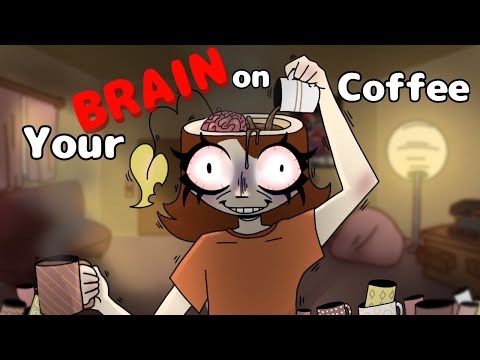
You know that feeling when you just can’t keep your eyes open? Like, everything feels heavy, and you’re about to faceplant into your laptop? Enter caffeine.
A good cup of coffee or tea can feel like magic, right? But here’s the kicker: caffeine’s effects on your brain aren’t all sunshine and rainbows. It does some cool stuff but also brings its own challenges.
Ever notice how that mid-afternoon pick-me-up can totally change your mood? Or leave you feeling jittery and anxious instead? Yeah, it’s a mixed bag for sure.
Stick around, because we’re diving into how this little bean affects our minds in ways that might just surprise you. You might even rethink that next cup!
Exploring the Impact of Caffeine on Mental Health: Can It Lead to Psychological Issues?
Sure thing! So, let’s talk about caffeine and its role in mental health. You might think of caffeine as just that jolt you need to get through your day or the reason you can stay awake during that 3 PM slump. But seriously, it’s got some pretty interesting effects on our brains that are worth chatting about.
First off, caffeine is a **stimulant** found in coffee, tea, energy drinks, and even chocolate. When you consume it, it blocks the action of a brain chemical called **adenosine**, which helps you feel sleepy. So when you’re chugging that coffee in the morning, it’s like giving your brain a perk-up! But here’s the twist — while caffeine can make you feel more alert and focused for a while, too much of it can backfire.
Now let’s not forget that everyone reacts differently to caffeine! Some people are super sensitive to its effects while others seem immune—like they could down espresso shots all day and still sleep like a baby. It’s pretty wild how our bodies all handle this stuff differently.
And here’s another thing: if someone already struggles with mental health issues like anxiety or depression, too much caffeine can really exacerbate symptoms. It may lead to cycles where anxiety worsens due to caffeine consumption, which then leads them back for more coffee as they seek comfort or alertness — see how this creates a frustrating loop?
But hey, not everything about caffeine is doom and gloom! In moderation, some studies suggest it might actually boost mood or enhance cognitive performance—so there’s definitely balance needed here.
In short? Caffeine isn’t inherently bad for mental health but being mindful is key. It’s smart to pay attention to how your body reacts after those cups (or cans) and make adjustments accordingly. You want that pep without becoming an anxious mess or losing sleep over it!
Understanding the Negative Effects of Caffeine on Mental Health: What You Need to Know
Caffeine is a tricky little substance. On one hand, it can give you that much-needed boost to start your day. But on the flip side, it can mess with your mental well-being in ways you might not realize. Let’s break down how caffeine can impact your mental health.
First off, anxiety is a biggie. Caffeine stimulates your nervous system and increases heart rate. If you’re already prone to anxiety, that extra jolt can make things worse. Imagine you’re already feeling jittery about an upcoming presentation and then you down a double espresso. It’s not going to help you chill out, right?
- Sleep disturbances: Caffeine can really mess with your sleep patterns. The more you’re awake at night tossing and turning, the more anxious you’ll feel the next day. It’s like this nasty cycle that just doesn’t stop.
- Mood swings: Too much caffeine can lead to irritability and mood fluctuations. You might feel great one minute and then snap at someone for no reason the next.
- Panic attacks: For some folks, high doses of caffeine can trigger panic attacks. It’s like adding fuel to an already raging fire when those feelings of dread surface.
You know what’s wild? Sometimes people think caffeine helps them study better or focus more. But in reality, while it may improve alertness temporarily, excessive intake often leads to decreased concentration over time.
You might find yourself feeling more overwhelmed than ever. I once knew someone who relied on five cups of coffee just to get through the morning grind at work. They ended up feeling stressed out all day long because they could never settle their mind.
Now let’s chat about withdrawal because it’s real! If you’re used to chugging coffee every day and suddenly cut back, you might experience headaches or irritability—yikes! This withdrawal isn’t just physical; it affects your mood too.
But here’s something important: everyone’s tolerance for caffeine is different. Some people can handle a solid cup or two without any issues while others feel like they’re climbing walls after half a cup.
The bottom line? Moderation is key if you want to enjoy those caffeinated delights without spiraling into anxiety or mood swings. Keeping track of how much caffeine you’re consuming could be a game-changer for your mental health.
So consider scaling back if you find yourself feeling jittery or anxious after that third cup of coffee—your mind (and body) might thank you later!
Exploring the Impact of Caffeine on Mental Health: Benefits and Risks
Caffeine is one of those everyday things that many of us rely on to kickstart our mornings or keep us awake during long days. It’s in coffee, tea, energy drinks, and even chocolate. But what does it really do to your mental health? Well, there are both benefits and risks to consider.
First off, let’s talk about the perks. Caffeine can actually boost your mood. For most people, it gives them a sense of alertness and helps reduce feelings of fatigue. You know that feeling when you’re dragging and then have a cup of coffee? Suddenly, everything feels a little brighter. That’s because caffeine can enhance the release of neurotransmitters like dopamine and serotonin—those feel-good chemicals.
But wait! There’s more to it. Studies suggest that moderate caffeine consumption might even lower the risk of depression in some individuals. Think about it: if a little stimulation helps lift your spirits, that might translate into lasting benefits for your emotional well-being.
However, hold on a sec—too much caffeine can lead to anxiety and jitters. Ever had that moment where you’ve had one too many cups? Your heart races, thoughts swirl around like crazy, and suddenly you feel overwhelmed? Yeah, not fun! This is because excess caffeine can increase cortisol levels—the stress hormone—which isn’t doing your mental health any favors.
Also, there’s this tricky thing with sleep. If you’re chugging caffeinated drinks later in the day (you know who you are!), it could mess with your sleep cycle. Poor sleep can lead to irritability, increased stress levels, and a general feeling of being out of sorts—all things we don’t want!
It’s also worth mentioning withdrawal symptoms if you decide to cut back on caffeine after being used to it for a while. You might feel headaches or fatigue for a few days as your body adjusts—that’s like the hangover without the party!
So here’s the scoop:
- Moderation is key. A couple of cups may help with mood and alertness.
- Watch out for anxiety. Too much can lead to feelings of nervousness.
- Poor sleep? Avoid caffeine in the late afternoon or evening.
- Be aware of withdrawals. Cutting back can be uncomfortable at first.
In the end, how caffeine affects you personally might come down to individual differences—some people handle it better than others. Just know yourself! Listen to how your body reacts and adjust accordingly. It could mean swapping that afternoon espresso for herbal tea instead—a small change that could make a huge difference for your mental health!
Caffeine is that friend who can either lift you up or bring you down, right? It’s like magic in a cup – one minute, you’re feeling energized and ready to tackle anything, and the next, you might feel anxiety creeping in like an unwanted roommate. You know how it goes.
I remember a time when I was juggling work and school, and coffee was my lifeline. I’d start my mornings with a big mug of Joe, thinking it would help me power through my day. And for a while, it worked wonders! My focus sharpened, and I felt motivated. But there came a point when I realized that too much caffeine turned me into this jittery mess. My heart raced like I’d just run a marathon, and my mind went spinning off into anxious thoughts. Not so fun.
So what’s the deal with caffeine? Well, it’s a stimulant that affects your central nervous system. It blocks adenosine receptors (that’s just science-y talk for stopping you from feeling sleepy) while giving dopamine a little boost – the feel-good chemical in our brains. This is why we love our morning brew; it makes us feel alive! But here’s the kicker: too much of it can lead to feelings of restlessness or even panic attacks for some folks.
It’s fascinating how something so simple can have such mixed results on our mental health. A little caffeine can enhance mood and motivation; more than that might send your nerves into overdrive. Folks who struggle with anxiety may want to watch their intake closely because let me tell you—if you’re already anxious, adding caffeine can really crank up those feelings.
And then there’s withdrawal to consider—ever missed your morning coffee? It’s rough! Headaches, irritability… it’s like your brain’s way of throwing a tantrum because it wants its fix back.
In my own experience, finding that sweet spot with caffeine has been key. Some days I’ll indulge; other days call for herbal tea to keep things chill. Listening to your body is super important because everyone reacts differently—not everyone thrives on three espressos after all!
So whether you’re team coffee or prefer tea without any buzz at all, just remember: moderation is crucial! Caffeine can be that boost we need sometimes but learning how your body responds will help keep those mental health vibes balanced.