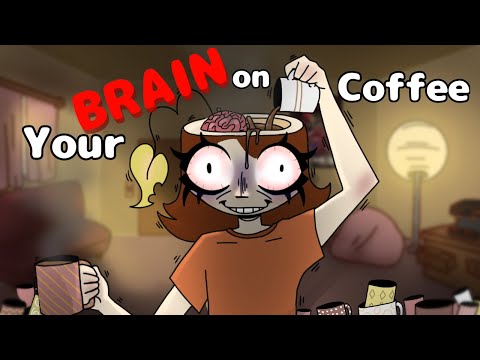
Hey, have you ever noticed how a cup of coffee can totally change your vibe? One minute you’re sipping happily, and the next, you’re a ball of jitters. Caffeine can be like that friend who gets you hyped up but then leaves you feeling shaky.
You’re not alone in this. Lots of folks enjoy their daily dose of caffeine, but it might just be messing with your head more than you realize.
So let’s chat about the connection between caffeine and anxiety. Seriously, it’s wild how something we love so much could have such an impact. And yeah, it’s not just about the buzz; there’s more to it than meets the eye!
The Impact of Caffeine on Anxiety: Understanding the Connection Between Coffee and Mental Health
Caffeine is the miracle worker for many of us, right? A cup of coffee can make you feel energized and ready to tackle anything. But what if I told you there’s a flip side, especially when it comes to anxiety?
You see, caffeine is a stimulant. It gets your heart racing and can give you that jolt of energy. But for some folks, this rush can send anxiety levels skyrocketing. If you’re prone to feelings of nervousness or panic, caffeine might just amplify those sensations. And let’s be real: nobody wants to feel more anxious than they already do.
Here’s what happens: caffeine blocks adenosine, a neurotransmitter that promotes sleep and relaxation. So when you sip on that latte, your body is like, “Whoa! Let’s go!” This excitement can sometimes lead to feelings of restlessness or jitteriness.
Let’s talk about how our bodies react differently. Not everyone processes caffeine in the same way. Some people handle it like champs; others feel on edge after just a cup or two. It really depends on your **genetics**, tolerance level, and even how much stress you’re under at the time.
I remember my friend Jess—she was all about that daily double shot espresso until she noticed her anxiety creeping up at work. Her heart felt like it was doing a drum solo during meetings! After cutting back on her caffeine intake, she felt surprisingly calmer and more focused.
So basically: if you’re feeling anxious after too much coffee (or energy drinks), it’s worth taking stock of how much you’re consuming and considering dialing it back a bit.
To sum it up: while caffeine can give you an instant boost, it’s important to listen to your body. If you’re feeling anxious already or are susceptible to worry and stress **cutting back** might just help ease those feelings over time.
In short—it’s all about balance! You want enough energy to get through the day but not so much that it sends you spiraling into anxious thoughts or physical jitters.
Understanding Caffeine Anxiety: Duration, Symptoms, and Coping Strategies
Caffeine is that little boost many of us crave but, hey, it can also stir up some serious anxiety. You know that jittery feeling after a couple of cups? Well, it’s more than just the caffeine buzz; it can actually trigger symptoms of anxiety or ramp up existing feelings.
Duration is a big part of the story here. When you consume caffeine, its effects usually kick in within 15 to 45 minutes after drinking. And then, those effects can linger for a few hours—sometimes even up to six! Depending on your metabolism and how much you drink, you might find yourself feeling anxious long after that last cup.
Now let’s talk about some common symptoms. They can range from mild to pretty intense. You might experience:
Picture this: maybe you had a double espresso before an important meeting and then started feeling your pulse race and palms sweat. That’s no fun! These symptoms can easily spiral into full-blown anxiety attacks for some folks.
So what can you do about it? Here are some coping strategies:
It’s all about finding balance. If you’re someone who loves their coffee but also struggles with anxiety, experimenting with decaf or limiting intake might be worth considering.
And remember, you’re not alone in this! Many people experience caffeine-related anxiety without even realizing it’s what’s behind their jitters. It could take some time to figure out what works best for you but letting your body guide you is key. Your mental health deserves as much care as that perfect cup of joe!
The Impact of Caffeine on Anxiety: Key Research Findings and Insights
Caffeine is one of those things that many people love to kick-start their day. But, for some folks, it can really mess with their anxiety levels. You know, like that jittery feeling you get after a couple of cups. So let’s break it down.
First off, caffeine is a stimulant. It works by blocking adenosine, a neurotransmitter that promotes sleep and relaxation. When you block adenosine, it kinda revs you up and increases dopamine production—basically giving you that buzz. But too much caffeine can lead to increased heart rate and feelings of nervousness, which isn’t ideal when you’re already feeling anxious.
Studies show that people who struggle with anxiety disorders may be particularly sensitive to caffeine’s effects. For instance, in one study, participants who consumed around 400 mg of caffeine—roughly the amount in four cups of brewed coffee—reported higher levels of anxiety compared to those who consumed less or none at all.
Here are some key points about how caffeine impacts anxiety:
Now, picture this: Imagine having an important meeting where you’re already nervous about speaking up. You grab an extra shot of espresso on your way there because you think it’ll help you feel more alert. But instead of the boost you hoped for, your heart starts racing even faster than before; suddenly all eyes on you feels unbearable!
If you’re noticing your anxiety spikes after a few cups or energy drinks, maybe it’s time to consider cutting back gradually. It’s not just about quitting cold turkey but finding what balance works for you.
Importantly, everyone’s tolerance varies. Some people might feel fine with their usual morning brew while others may experience heightened anxiety without touching the stuff at all. It’s all about tuning into how your body responds.
So, yeah! If caffeine’s throwing your mental game off balance more than helping it out—even if it means switching to decaf or herbal teas—it might be worth considering making those changes for the sake of better mental health!
Caffeine. It’s that little pick-me-up we reach for when we’re feeling sluggish or need to power through a long day, right? But here’s the kicker: while caffeine can give you that quick boost, it can also stir up those pesky feelings of anxiety. Yeah, I know, it seems like it’s here to help but sometimes it just adds fuel to the fire.
Think back to a time when you had one too many cups of coffee before an important meeting. Your heart raced, palms got sweaty, and you felt like you were vibrating out of your own skin. That rush isn’t just energy; it’s your body reacting to caffeine’s stimulating effects. It raises your heart rate and can trigger the fight-or-flight response. And if you’re already prone to anxiety? Well, that combination can feel like you’re caught in a rollercoaster ride of nerves.
What happens is caffeine blocks a neurotransmitter called adenosine. This is like the body’s natural way of telling you to chill out and slow down. When adenosine’s effects are blocked, your brain gets all revved up. It feels great for a while but can lead to feelings of restlessness or anxiousness afterward—like crashing down from that caffeine high.
And honestly? A lot of folks don’t realize this connection between what they drink and how they feel. You might be thinking: “It’s just coffee! What harm could it do?” But if you’re already juggling stress or dealing with anxiety, throwing caffeinated drinks into the mix might just amplify those feelings.
I remember a friend who loved her morning lattes and insisted they were essential for her workday. However, she’d also talk about feeling overwhelmed all the time—like she was constantly on edge. After some chat about her coffee habit, she decided to cut back—just a bit at first—and noticed how much calmer she felt throughout the day.
So yeah, if you’re someone who’s struggling with anxiety—or even just feeling a little more stressed than usual—it might be worth taking a look at your caffeine intake. You don’t have to completely ditch your favorite cup; sometimes moderation does wonders. Just being aware can help you make better choices that could ease that hidden tension in your life. It’s all about finding that balance so you can enjoy your daily ritual without turning it into an anxiety trigger!