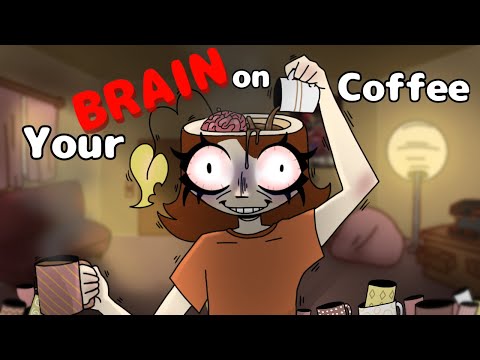
So, let’s talk about caffeine. I mean, it’s everywhere, right? We grab a cup of coffee to kickstart our mornings or down an energy drink just to keep things moving.
But what happens when you suddenly cut the stuff out? Ugh, it can be rough. You might feel like you’re in a fog or just plain cranky. Seriously, I’ve been there.
It’s wild how something as simple as coffee can mess with your head when you go without it. So yeah, let’s unpack this whole caffeine withdrawal thing and how it really messes with our mental wellbeing!
Exploring the Impact of Coffee Withdrawal on Mental Health: What You Need to Know
Caffeine withdrawal is one of those things you might not think about until you’re going without your daily cup of coffee. Seriously, it’s no joke! If you’ve ever tried cutting back on caffeine, you probably know it can hit you hard.
When you suddenly stop drinking coffee or other caffeinated beverages, your body goes through a whole adjustment phase. Caffeine is a stimulant that messes with neurotransmitters in your brain. In simple terms, it makes you feel more alert and boosts your mood. But when you stop consuming it? Your brain can feel the difference.
Here are some common effects of caffeine withdrawal:
- Fatigue: You might find yourself feeling unbelievably tired. Like, no-energy kind of tired.
- Headaches: Those pesky headaches can show up suddenly. It’s like your brain is mad at you for ditching its favorite pick-me-up.
- Irritability: You could become a bit more easily frustrated or moody. Your friends and family might notice the change too. Sorry, guys!
- Anxiety: For some people, giving up caffeine can actually lead to increased anxiety levels. It’s weird how something that helps you focus can also add to stress when withdrawn.
- Difficulty concentrating: You might feel foggy or struggle to focus on tasks—kind of like trying to work underwater.
Mental health plays a big role during this withdrawal phase. Let’s say you’re someone who relies on caffeine to manage stress or boost productivity at work. When you cut it out, that little safety net disappears! Your mood dips because you’re missing that jolt of energy and happiness. It’s like having a favorite hoodie in the winter—it just feels comforting.
Now, remember: the severity and duration of these symptoms vary from person to person. Some folks may get through it with just mild irritability while others might experience more intense mood swings.
If you’re thinking about cutting down on caffeine but are worried about how your mental health could be impacted, here’s where planning comes into play! Gradually reducing your intake could ease those nasty withdrawal symptoms—a bit like weaning off an old habit gently instead of going cold turkey.
In closing, paying attention to how coffee—or lack thereof—affects your mental state is key! A smooth transition can help keep your mood steady as you adjust to life without that morning cup (or three). Plus, knowing what’s happening in your body can make all the difference in how well you cope with those changes!
The Hidden Dangers of Quitting Caffeine: Understanding the Psychological Effects
Quitting caffeine can feel like a big deal, right? You might think it’s just about giving up that morning cup of joe. But the thing is, there are some serious psychological effects tied up in caffeine withdrawal that you may not expect.
Caffeine is a stimulant. It works by blocking adenosine, a brain chemical that makes you feel sleepy. When you suddenly stop consuming it, your body can react in some surprising ways. You might find yourself feeling more tired, irritable, or even anxious. It’s like your brain is crying out for its usual boost.
Common symptoms of caffeine withdrawal include headaches, fatigue, and difficulty concentrating. But there’s more to it than just physical discomfort. You could also experience mood swings or feel downright depressed for a bit while your brain adjusts.
- Anxiety increases: If you already struggle with anxiety, quitting caffeine might ramp it up even more. That jittery feeling can turn into full-blown anxiety as your body realizes it’s missing its usual stimulant.
- Depression symptoms: Some folks notice they feel low when they stop drinking caffeine. It’s not always about sadness; it can just be a sense of disconnection from things you usually enjoy.
- Difficulty focusing: A lot of people rely on caffeine to help sharpen their mental clarity. Without it? You might find tasks that were once easy feel suddenly insurmountable.
Let’s talk about how quickly these effects can hit you after quitting—usually within 12 to 24 hours! Picture this: You woke up ready to take on the world but suddenly feel like you’re dragging yourself through mud instead.
And here’s a wild thought: Some people even report feeling less social during withdrawal. This could be linked to how our brains handle mood and social interactions when we’re off our usual routine with caffeine.
So what do you do if you’ve decided to cut back or quit altogether? Gradually decreasing your intake is often recommended. This way, your body has time to adjust without throwing everything into chaos. Cutting down by swapping out that second or third cup for herbal tea or water can help ease the transition.
But seriously—be kind to yourself during this process! It’s totally normal for things to feel a bit rocky at first as your brain rebalances itself without caffeine’s support.
In the end, while quitting caffeine can indeed lead to some challenging psychological effects initially, many people ultimately find their mental health improves once they’re fully adjusted and no longer relying on that daily jolt. Isn’t it fascinating how such a common substance impacts us so deeply? Staying aware of how your mental state shifts during this time will help guide you through the changes and make the experience more manageable!
Exploring the Impact of Quitting Caffeine on Brain Health: Benefits and Changes
Quitting caffeine can feel like a rollercoaster ride for your brain. Seriously, it’s not just about giving up your morning coffee or that afternoon energy drink. The impact on brain health and mental wellbeing is quite significant, and it can hit you in various ways.
First off, when you decide to quit caffeine, your brain has to adjust to a sudden change. Caffeine works by blocking adenosine receptors. Adenosine is the stuff that makes you sleepy. So, when you stop having caffeine, adenosine gets a chance to do its thing. That’s why one of the first things you might experience is fatigue or drowsiness. You know how after a long day you just crash on the couch? Imagine that feeling but multiplied!
Then there’s caffeine withdrawal, which can bring on some pretty uncomfortable symptoms. These usually peak within the first week and can last from two days to a couple of weeks. Common experiences include:
- Headaches: Many people report pounding headaches as their brains adjust.
- Irritability: You might find yourself snapping at friends or family over little things.
- Anxiety or nervousness: Suddenly without your usual jolt of energy, life might feel a bit more overwhelming.
- Difficulty concentrating: It’s like trying to read a book with music blasting in the background—harder than normal.
These symptoms can feel rough at first. I remember when my buddy decided to quit his daily coffee habit. He was all kinds of grumpy for about a week. Just ask his roommate! But once he pushed through those initial days, he started noticing some benefits.
After the withdrawal phase starts to fade away, you’ll likely notice several positive changes too! Many people report:
- Improved sleep quality: Without caffeine messing with your sleep cycle, you might find it easier to drift off at night.
- Stable energy levels: Instead of riding that wild caffeine wave with crashes and peaks, many find their energy levels become steadier throughout the day.
- Cognitive clarity: Once you’re past the initial fog of withdrawal, thinking may become clearer and less scattered.
So what’s going on in your brain during all this? Your body starts balancing out those neurotransmitter levels again—essentially finding its groove without caffeine’s constant interference.
It’s also important to mention that everyone’s experience can look different here; some folks sail through quitting like pros while others struggle more intensely (*raises hand*). The key takeaway is this: while quitting caffeine might have its bumps at first, many people find improvements in their overall mental wellbeing once they’ve settled into their new routine.
In short, if you’re thinking about kicking the caffeine habit: brace yourself for some rough days ahead but know that there are real benefits waiting for you on the other side!
Caffeine withdrawal can really sneak up on you, can’t it? I mean, one minute you’re feeling all energized and high-fiving the world with that cup of coffee in hand, and the next, you’re dragging your feet like you just ran a marathon. I remember a time I decided to cut back on caffeine. I thought it would be a breeze—just a few less cups of coffee each day. But wow, was I in for a ride!
The first couple of days were fine. Then came the headaches, which felt like tiny jackhammers pounding away at my skull. Seriously! And those mood swings? Whoa. One minute, I was grumpy as heck; the next, I’d burst out laughing at a silly cat video. It was all over the place. It’s wild how something as simple as caffeine can turn your world upside down.
The thing is, many people don’t realize just how much impact caffeine has on our mental state until we try to cut it out. You might feel more anxious or irritable than usual. That’s because caffeine affects neurotransmitters—the little messengers in your brain that help regulate mood and energy levels. When you stop suddenly or reduce your intake drastically, it’s like your brain’s suddenly missing its go-to fuel.
But here’s where it gets tricky: we often depend on that quick jolt to power us through our day-to-day tasks or even help with focus during work or studies. When you’re withdrawing from caffeine, concentration can fly out the window along with that shot of espresso you usually rely on.
It’s important to take it slow if you’re thinking about cutting back—it can make all the difference for your mental health! Try swapping some of those caffeinated drinks with herbal teas or decaf versions. Like I said before, it’s wild how something so common can mess with you mentally! Give yourself time to adjust and be kind to yourself during those rough patches; they do pass eventually.
In the end though? It’s about finding balance and knowing what works best for you—caffeine isn’t inherently bad but being aware of how it affects you is key! So if you’re feeling off after cutting back—totally normal! You just gotta ride it out a bit until your body finds its groove again without that caffeinated boost.