So, you know how life can throw curveballs at us? It’s tough sometimes. And when you’re feeling down or overwhelmed, it helps to have someone who really gets it. That’s where something like “CalmHSA Peer Certification in Mental Health Support” comes into play.
Picture this: you’re chatting with a friend who just knows what you’re going through. They’ve been there, done that. That kind of support is priceless, right? Well, becoming a certified peer supporter means you can be that friend for someone else.
It’s all about creating connections and lending a hand to those navigating their mental health journeys. Seriously, it’s a chance to empower yourself and others in ways that really matter.
Ready to see what this certification can do? Let’s get into it!
How to Obtain Your Peer Support Specialist Certification in California: A Comprehensive Guide
Well, if you’re looking to get your Peer Support Specialist certification in California, you’ve come to the right spot. It’s a process that helps you turn your lived experiences into something meaningful. So, let’s break it down.
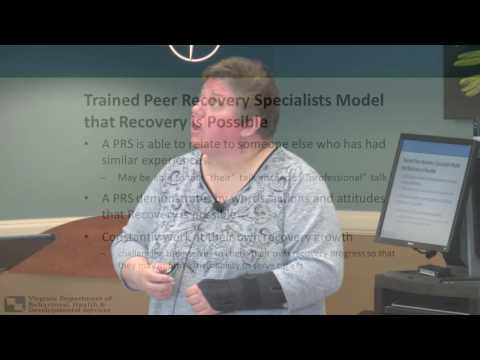
First off, what is a Peer Support Specialist? These folks use their personal experience with mental health or substance use challenges to help others. Think of it like being a friend who gets it. You know, someone who’s been through similar stuff and can lend an understanding ear.
Now, to get certified in California through CalmHSA, there are some steps you’ll need to follow:
1. Eligibility Requirements: You need to have personal experience with mental health issues or substance use challenges. A minimum of 12 months of recovery is usually required too. This isn’t just about having the experience; it’s about being ready to share that experience effectively.
2. Complete Training: You’ll need to complete a training program that’s approved by the California Department of Health Care Services (DHCS). CalmHSA offers a specific training course designed for peer support specialists. This typically includes topics like communication skills, ethics in peer support, and how to facilitate support groups.
3. Certification Exam: After you complete the training, there’s an exam you’ll have to pass. It’s not just a pop quiz; it tests your understanding of what you’ve learned throughout the training. So make sure you’re ready for this part!
4. Submit Application: Once you’ve passed your exam, you’ll submit your application for certification. This will include proof of your training completion and any necessary documents showing that you’ve met all requirements.
5. Maintain Your Certification: It doesn’t stop once you get certified! You’ll need ongoing education every two years or so—usually around 20 hours—to keep up with new practices and concepts in the field.
And remember:
It’s not just about credentials; it’s about human connection too! You’ll be helping others find their way through tough times by sharing not only what you’ve learned but also how they can navigate their own paths.
Plus, getting this certification can open doors for various positions within mental health organizations and community programs across California—so it’s definitely worth considering if you’re passionate about helping others heal through shared experiences!
In summary: You’ve got eligibility checks, required training courses provided by CalmHSA, passing an exam, submitting an application with all the right documents, and keeping up with continuing education afterward.
Pretty straightforward when you break it down! If you’re ready for this journey and excited about making a difference in people’s lives through peer support—go for it!
Free Online Training for Peer Support Specialists: Enhance Your Skills in Mental Health
So, let’s talk about free online training for peer support specialists. You might be wondering what exactly that is. Well, it’s basically a program designed to help people who want to provide support to others dealing with mental health challenges. The idea is to make it accessible and helpful for those who really need it.
Peer support specialists are folks who have lived experience with mental health issues. They use that experience to connect with others facing similar struggles. This training can help you refine your skills and deepen your understanding of mental health.
One program you may come across is the CalmHSA Peer Certification in Mental Health Support. This program focuses on providing essential skills and knowledge. And the best part? It’s free! Seriously, what a great way to get involved without breaking the bank.
Here are some key things you’ll learn through these online courses:
- Understanding Mental Health Conditions: You get insights into various conditions like depression, anxiety, PTSD, and others. Knowing how they impact people helps you relate better.
- Effective Communication Skills: Communication is key! You’ll learn how to listen actively and respond empathetically—skills that make a huge difference in support.
- Crisis Management: Sometimes things get heavy. Training includes techniques for de-escalating crisis situations, which can be super valuable.
- Self-Care Practices: You can’t pour from an empty cup, right? The course emphasizes the importance of looking after your own mental well-being while helping others.
You might be thinking about how this training can affect real lives. Picture someone named Sam. Sam struggles with anxiety but finds comfort talking to someone who understands their pain—maybe a peer support specialist trained through programs like CalmHSA. That connection could change everything for Sam.
Plus, these trainings often include opportunities for group discussions or role-plays where you can practice what you’ve learned in a safe space. It’s one thing to read about skills; it’s another entirely to try them out in a supportive setting.
Also cool? Many organizations look favorably on peer support certifications when hiring staff or volunteers. Completing this type of training could definitely boost your resume if you’re looking into jobs in the mental health field.
Remember, becoming a peer support specialist isn’t just about having lived experience; it’s also about being willing to learn and grow in ways that help you connect with others more effectively. And hey, if you’re someone passionate about supporting friends or family members dealing with their own mental health stuff, this training could equip you with useful tools too!
So yeah, whether you’re thinking about turning your personal experiences into something powerful or just want better ways to support those around you, free online training like this can really enhance your skills in mental health support—making a positive impact along the way!
Understanding CalMHSA Peer Certification Verification: A Guide to Mental Health Support
When we talk about mental health support, especially in California, the CalMHSA Peer Certification program really stands out. It’s all about folks who’ve been through their own mental health struggles stepping up to help others. You see, sometimes, just having someone who gets it can make a world of difference.
So, what exactly is **CalMHSA Peer Certification Verification**? Well, basically, it’s a process that validates that peers—people with lived experience in mental health—are trained and ready to help others. This is crucial because it ensures that those providing support have the right skills and knowledge.
Here’s how it works:
- Peer Support Specialists: These individuals are usually certified through a training program. They learn about mental health issues, effective communication skills, and how to provide support without judgment. They’re not therapists but rather companions on the journey of recovery.
- Certification Training: To get certified, peers often undergo specialized training programs designed to equip them with the tools they need. This can include understanding different mental health conditions, crisis intervention techniques, and self-care strategies.
- Verification Process: After completing their training, peers need to go through a verification process to confirm they meet certain standards set by CalMHSA. This is like getting a badge of honor that shows they’re ready for this important work!
Now picture this: imagine you’re having one of those days where everything feels off. You walk into a support group and see someone who’s been there too—their story mirrors yours in some ways. That connection? That’s what peer support is all about! It isn’t just someone telling you what to do; it’s about sharing experiences and understanding.
The verification not only helps ensure quality but also builds trust for those seeking help. People feel more comfortable opening up when they know their peer supporter has been trained and validated.
It’s also worth mentioning how vital this program can be in broader communities across California. Diverse backgrounds mean various perspectives on healing. So having peers from different walks of life helps make sure everyone feels represented.
In short, **CalMHSA Peer Certification Verification** is pretty much about empowering individuals with lived experiences to assist others on their path to mental wellness—while making sure they’re well-prepared for that role! It’s all about connection and shared experience operating within a structured framework for support.
The next time you hear someone mention peer support or CalMHSA certifications, remember—it’s not just paperwork or training; it symbolizes hope, understanding, and community resilience in the face of mental health challenges.
You know, mental health support is one of those things that’s really important but often gets overlooked. It’s like when you’re walking by someone who clearly needs a hand, and you just keep going. That’s why something like the CalmHSA Peer Certification stands out to me.
This certification isn’t just another stamp of approval; it’s about real people helping other real people. Imagine someone who’s been through their own struggles stepping up to support others. It’s kind of beautiful, right? They’ve lived it, felt the weight of anxiety or depression, and now they’re sharing what they learned. It seems so relatable and genuine when you think about it.
I remember talking to a friend who had gone through a tough time—she mentioned how isolating it felt at one point. But then she found this peer support group where people openly shared their experiences. She told me how comforting it was to hear someone say, “I get it.” Like, seriously, those words can be such a lifeline when you’re feeling lost.
The CalmHSA certification sort of sets a standard for these experiences too. It suggests that there are some guidelines and knowledge behind offering emotional support—making sure that peer supporters know what they are doing while still keeping that human touch intact. That’s the thing: combining this training with lived experience can really create powerful connections.
And let’s face it; we all need some allies in this crazy life sometimes. Having that peer-support system feels like having someone in your corner who gets what you’re going through without judgment or obligation—that friendship vibe, if you catch my drift.
So yeah, in a world where mental health is finally starting to get the attention it deserves, initiatives like CalmHSA’s Peer Certification make sense. This approach shows that compassion can come with knowledge—it just makes everything feel more hopeful and attainable for those needing help. Anyway, here’s hoping more folks recognize the power of human connection!