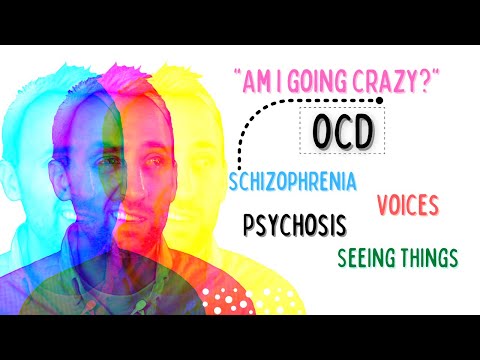
So, you know how sometimes you get stuck in your head? Like, really stuck? Well, for folks with obsessive-compulsive disorder (OCD), it can feel like being on a mental treadmill—running hard but not getting anywhere.
You might think, «Okay, what’s the big deal?» But here’s the thing: when OCD goes untreated, weird stuff can happen down the road. Like, some people wonder if it might ramp up the risk of developing schizophrenia.
Crazy thought, right? You might be like, “Wait… what?” Yeah, it’s a bit of a wild ride. Let’s chat about this because understanding this connection could really matter for someone who’s struggling.
Exploring the Connection: Can OCD Increase the Risk of Schizophrenia?
Obsessive-Compulsive Disorder (OCD) and schizophrenia are two mental health conditions that can really impact a person’s life, but they’re pretty different in terms of symptoms and how they feel. That said, there’s been some talk about the connection between untreated OCD and the risk of developing schizophrenia. So, let’s unpack that a bit.
First off, OCD is marked by unwanted thoughts (obsessions) and repetitive behaviors (compulsions) that someone feels driven to perform. It can be super distressing! You might find yourself checking if the door is locked over and over or needing to wash your hands repeatedly. It’s like a loop you just can’t escape from.
Schizophrenia, on the other hand, involves more severe disruptions in thinking. It includes things like hallucinations or delusions that can make it tough for someone to tell what’s real and what isn’t. Now, these are two distinct disorders, but research has pointed out some interesting overlaps.
One key thing is comorbidity. This term means that someone can have both conditions at the same time. Studies suggest that about 10% of people with schizophrenia also have OCD. But does having OCD increase your risk of developing schizophrenia?
There aren’t clear-cut answers yet, but some experts think that chronic stress caused by untreated OCD could play a role. Long-term stress impacts brain functioning and could potentially lay ground for more serious conditions to emerge down the line.
Here are a few points to consider:
Still, it’s really important not to panic if you or someone you know has OCD! Just because there may be connections doesn’t mean everyone with OCD will develop schizophrenia. There are tons of factors involved—everything from environment to genetics plays a role.
Plus, early treatment for OCD—whether through therapy or medication—can significantly reduce risks not just for worsening symptoms but also potentially for any future complications including other mental health issues.
If you’re feeling stuck in those obsessive thoughts or compulsive behaviors, talking things out with a mental health professional is super helpful! They can guide you on finding effective strategies so you don’t have to fight this battle alone.
At the end of the day, always prioritize getting support when dealing with mental health challenges. There’s hope out there!
Exploring the Link Between OCD and Schizophrenia: Insights from Reddit Discussions
OCD and schizophrenia are two pretty different mental health conditions, but some folks on Reddit have been talking about whether untreated OCD could lead to an increased risk of developing schizophrenia. So, let’s break it down a bit.
First off, **Obsessive-Compulsive Disorder (OCD)** involves persistent, unwanted thoughts (the obsessions) and repetitive behaviors or mental acts (the compulsions) that you feel driven to perform. It can be super distressing and time-consuming. Now, if that goes untreated, it can seriously affect your daily life.
On the other hand, **schizophrenia** is a much more severe mental health issue, characterized by symptoms like hallucinations, delusions, disorganized thinking, and changes in behavior. Reddit discussions often highlight how these two conditions might intersect in certain cases.
Now here’s the thing: while they can appear similar at times—like when someone with OCD experiences intrusive thoughts that might seem delusional—there isn’t solid evidence proving that having untreated OCD will directly cause schizophrenia. Most mental health pros agree that the two are distinct disorders and have different underlying causes.
But, looking through those Reddit threads, you’ll see people sharing stories where they felt their OCD spiraled out of control. For example, someone might share how their obsessive thoughts led them to feel isolated or paranoid over time. That kind of chronic stress could theoretically contribute to other issues down the line—possibly even psychotic symptoms in extreme cases—but that’s not the same as saying one causes the other.
A few key points pop up in these discussions:
- Shared Symptoms: Both conditions can involve intense anxiety and distorted thinking.
- Coping Mechanisms: Some folks use compulsions as a way to cope with stress or anxiety from life events; this could make them more vulnerable over time.
- Pre-existing Vulnerability: If someone already has a genetic predisposition toward schizophrenia, untreated OCD might just add more fuel to the fire.
- Seeking Help: Many Reddit users emphasize getting treatment early on for any mental health issue; therapy or medication can make a huge difference.
It’s also important to note that mental health doesn’t work in black and white terms. People often experience overlapping symptoms due to various factors like genetics or environment. It gets complicated!
The bottom line is this: if you’re battling with OCD—especially if it feels like it’s getting worse—it’s really crucial to reach out for help before things escalate further. While it’s essential not to jump into conclusions about risks for developing something like schizophrenia based solely on experiencing OCD alone, tackling OCD early may help prevent additional complications as you move forward.
So yeah, stay informed and don’t hesitate to talk about what you’re feeling with a professional! Your mental health deserves attention just like your physical health does.
The Link Between Untreated OCD and Psychosis: Understanding the Risks
OCD, or Obsessive-Compulsive Disorder, is more than just a quirky habit. It’s a mental health condition that can seriously mess with your day-to-day. Now, when you hear about untreated OCD, it raises some eyebrows. Could it potentially lead to something as serious as psychosis? To understand this link, let’s break it down.
First off, OCD is characterized by unwanted thoughts (obsessions) that lead to repetitive behaviors (compulsions). You might find yourself washing your hands multiple times or double-checking if the door is locked. It’s frustrating and exhausting.
Now here’s where the concern comes in. When OCD isn’t treated, the distress from those obsessions and compulsions can become overwhelming. This pressure doesn’t just sit there; it can evolve in ways that might lead someone toward psychotic symptoms. Here’s what you need to consider:
- Untreated OCD can heighten stress: Chronic stress isn’t just a bad mood—it’s like living with a weight on your chest all the time. Stress can make your mind play tricks on you.
- Symptoms may overlap: Some people experience intrusive thoughts in both OCD and more severe conditions like schizophrenia. The lines can get blurry.
- Isolation: Avoiding situations because of compulsions leads to loneliness. This isolation can sometimes contribute to distorted thinking or paranoia.
- Cognitive distortions: As OCD gets worse, your thinking patterns might change too. You start believing things that aren’t real, which could be a step toward psychosis.
Let me share an example: imagine someone who has obsessive fears about germs and spends hours cleaning their house every day instead of spending time with friends or family. That person isn’t just missing out on social interactions; they are also piling on stress and anxiety which could worsen their mental state over time.
But does this mean everyone with untreated OCD will develop schizophrenia or experience psychosis? Not necessarily! It’s more about increased risk rather than certainty. Just because someone struggles with OCD doesn’t mean they’ll end up facing those severe conditions.
Early intervention is super important! Treatment options like therapy (especially CBT), medications, and support groups really help manage symptoms effectively and reduce risks down the line.
So yeah, while there’s no direct cause-and-effect relationship between untreated OCD and developing psychosis like schizophrenia, there are significant risks involved if left unchecked for too long. Taking care of yourself early on makes a world of difference—don’t sleep on it!
So, let’s talk about OCD and schizophrenia for a second. It’s kinda mind-boggling how our brains work, isn’t it? You might know someone, or maybe even yourself, who battles with obsessive-compulsive disorder. It can feel like you’re stuck on a merry-go-round of intrusive thoughts and those rituals you just have to perform to feel okay.
Now, here’s the thing: there’s some research suggesting that if OCD goes untreated for a long time, it could potentially increase the risk of developing schizophrenia or other severe mental health issues later on. Yeah, it sounds pretty scary. Imagine being so caught up in your compulsions that you don’t even notice things spiraling out of control. It makes you think about the importance of addressing mental health concerns early on.
I remember a friend named Jamie who dealt with this heavy mix of OCD and anxiety for years without seeking help. He felt trapped in his own mind—a real prison built from fears and repetitive rituals. The more he brushed off his feelings, the more isolated he became. He started hearing voices—not in that typical «schizophrenia» way but more like echoes of his anxiety making everything worse. The longer he waited for things to get better on their own, the deeper he sank into confusion.
That particular story reminds me how vital it is to seek treatment when you’re struggling with OCD or any mental health issue. You know? Therapy can really help people navigate their thoughts and behaviors in healthier ways before they get too tangled up in them.
So yeah, while not everyone with OCD will develop schizophrenia or anything like that—there’s definitely some connection between untreated OCD and escalating mental health challenges down the line. It emphasizes how crucial it is to take those first steps towards getting help early on instead of waiting until things get worse.
Remember, reaching out for support doesn’t make you weak; it just means you’re trying to take control and find balance again—something we all deserve!