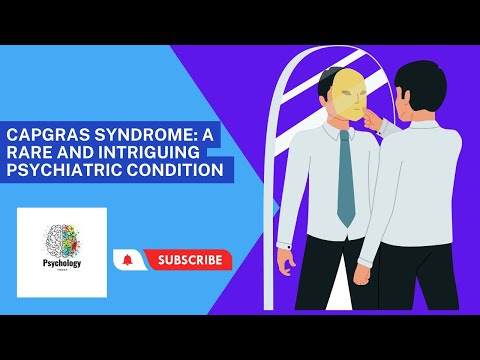
Ever hear of Capgras delusion? It’s a real head-scratcher. Picture this: you see someone you know really well, but something feels off. You’re convinced it’s not them. Instead, it’s a doppelgänger, a total imposter. Super weird, right?
This isn’t just some quirky movie plot; it actually happens to people dealing with certain mental health issues. It gets chaotic inside their minds. You can only imagine how frustrating that must be!
So let’s chat about what Capgras delusion is all about. We’ll dive into why it pops up and the emotional rollercoaster that comes with it. Seriously, you won’t want to miss this ride!
Understanding Fregoli Syndrome: Symptoms, Causes, and Treatment Options
Fregoli Syndrome is one of those fascinating yet perplexing conditions you might not hear about every day. It’s a rare delusional belief where a person thinks that different people are actually the same person in disguise. Imagine seeing your friend at a coffee shop and suddenly believing they are your long-lost relative trying to trick you. Yeah, it’s pretty wild!
Symptoms of Fregoli Syndrome can really shake up a person’s reality. People may feel paranoid and anxious because they think others are constantly following them or changing identities. They might even have hallucinations, which means seeing or hearing things that aren’t really there. This can lead to some serious confusion in relationships and daily life.
On the causes side of things, this syndrome is often associated with neurological disorders like brain injuries, strokes, or tumors. Sometimes psychological issues such as severe anxiety or schizophrenia can also play a role. The brain just takes a wrong turn and starts connecting dots that aren’t there!
So, how do we tackle Fregoli Syndrome? Treatment options usually involve therapy and medication to help manage the symptoms. Cognitive Behavioral Therapy (CBT) is commonly used because it helps individuals challenge their thoughts and perceptions. Medications like antipsychotics might also be prescribed if the symptoms are severe.
Imagine Sarah, who believed her coworkers were all her ex-boyfriend trying to mess with her head. She felt hunted at work! After some therapy sessions, she learned how to navigate her thoughts better. With time and support, she started recognizing her coworkers for who they truly were instead of seeing shadows of someone else.
The thing about Fregoli Syndrome is that it’s often misunderstood but seriously deserves attention within mental health contexts, much like Capgras Delusions, where folks believe their loved ones have been replaced by impostors. Both conditions challenge our understanding of identity and perception.
While this seems like a heavy topic, it’s essential to know that with appropriate treatment and support, individuals can find ways to cope and regain some normalcy in their lives!
Effective Strategies for Treating Capgras Syndrome: Understanding and Managing Delusional Misidentification
Capgras Syndrome, or the belief that someone close to you has been replaced by an imposter, is a pretty bewildering mental health condition. Dealing with it can be tough not just for the person experiencing it, but also for their loved ones. Understanding how to manage this syndrome involves a blend of psychological techniques, supportive environments, and sometimes medication.
Understanding the Basics
This syndrome usually happens in the context of other mental health disorders like schizophrenia, dementia, or brain injury. The thing is, the person believes that someone familiar—like a spouse or parent—has been replaced by an identical-looking stranger. Imagine turning to your partner and feeling like they’ve suddenly turned into a complete stranger. That’s where the confusion sets in.
Effective Strategies for Treatment
So how do you tackle this? Here are some approaches that have shown promise:
- Therapeutic Approaches: Cognitive Behavioral Therapy (CBT) can help change those distorted thoughts. It’s all about gently challenging those beliefs and encouraging more realistic thinking.
- Validation: It’s crucial to validate their feelings without reinforcing delusions. If they feel their loved one is an imposter, acknowledging their feelings while gently redirecting them can help. For example: “I get that you feel this way. Let’s talk about why you think that.”
- Creating a Safe Environment: A calm space can ease anxiety and fear which often accompany these delusions. Reducing stressors in their environment helps them feel more at peace.
- Medications: While there isn’t a specific medication for Capgras Syndrome itself, sometimes antipsychotic medications are prescribed when it’s part of another disorder like schizophrenia.
Family Support Matters
The role of family in treatment can’t be overstated. Having supportive conversations without confrontation is key! I remember talking to someone whose elderly father had this syndrome; she shared how instead of arguing over his beliefs, they just reminisced about fun family memories together—something that brought warmth back into their interactions.
The Importance of Patience
Dealing with Capgras Syndrome requires patience from everyone involved. It’s frustrating when someone you love sees your face but believes you’re not really you! Understanding this doesn’t happen overnight makes it easier on everyone.
A Final Thought
In a lot of ways, treatment isn’t just about fixing the belief itself; it’s also about helping people feel safe and connected again. So whether through therapy or just showing up as support, being there for someone with Capgras Syndrome makes all the difference!
Understanding Capgras Syndrome: Is It a True Mental Illness?
Capgras Syndrome can be one of those topics that make you scratch your head. Imagine believing that someone you love has been replaced by an identical impostor. Sounds eerie, right? That’s basically what happens with this condition. Let’s break it down a bit.
What is Capgras Syndrome? It’s a type of delusion where a person feels convinced that someone close to them—like a partner or family member—has been replaced by someone else who looks exactly the same. It’s named after Joseph Capgras, a French psychiatrist who first described it back in 1923. This isn’t just some weird prank your mind is playing on you; it has real roots in the brain and can be associated with various mental health disorders.
Now, concerning whether it’s a true mental illness, that’s kind of tricky. Capgras can happen in the context of other conditions like schizophrenia, dementia, or brain injuries. It doesn’t exist as a standalone disorder; instead, it rides along with these other issues. Think of it like an uninvited guest crashing a party! So yes, while it’s not classified as its own illness, it does indicate something serious happening in the brain or mind.
And here’s where things get even more interesting: neurobiology. Research suggests that Capgras might involve disruption in specific brain areas responsible for emotion and recognition. Normally, when you see your loved one, there’s this warm feeling connected to recognizing them—that’s your emotions kicking in! But if there’s a disconnect because of trauma or neurological conditions, that emotional response might be absent. You end up seeing their face but not connecting emotionally.
Imagine Sarah—she always knows her brother Jake’s laugh from across the room. One day, she sees him but feels completely off about him being “the real Jake.» She starts insisting he’s an impostor because her mind isn’t linking his image to her feelings anymore.
Symptoms can vary but typically revolve around that core delusion: thinking people have been replaced. This can lead to some pretty tense situations at home and cause strain on relationships—not fun for anyone involved! People may fear for their safety or feel confused when trying to explain what they’re living through.
Another layer is treatment options. Since Capgras usually tags along with other disorders, treatments focus on those underlying conditions rather than treating the symptoms outright. Psychotherapy can help folks navigate their feelings and maybe adjust how they interpret reality. Sometimes medications used for schizophrenia or mood disorders might also help manage overall symptoms.
In terms of living with Capgras Syndrome or understanding someone who does—that requires tons of empathy and patience from everyone involved. The person isn’t just trying to be difficult; they genuinely believe what they’re experiencing is real!
To wrap it all up: while Capgras Syndrome itself isn’t classified as its own mental illness, it definitely represents serious challenges linked to other mental health issues. If you ever find yourself or someone you care about having these strange feelings about loved ones being replaced—getting professional help is key! There are paths forward with understanding and support for those navigating such unusual experiences.
So, Capgras syndrome, huh? It’s one of those things that can seriously mess with your perception of reality. Imagine walking into your home and thinking the person you love the most—maybe your partner or your best friend—isn’t really them. Instead, it feels like a total impostor has taken their place. That’s what those with Capgras delusion experience. It’s like something out of a movie, but for people living with it, there’s nothing fictional about the fear and confusion it brings.
I once talked to a guy named Mark who had been diagnosed with schizophrenia, and he shared his experience with Capgras delusions. One day, he found himself convinced that his mom had been replaced by someone who looked just like her. He described this feeling as both terrifying and strange—the voice was the same; she even smelled the same! But in his mind, she was somehow an intruder. Can you imagine how jarring that must be? The emotional toll is heavy; you start to doubt everyone around you.
What really gets you thinking is that this kind of delusion doesn’t just pop up on its own. It often appears alongside other mental health conditions like schizophrenia or brain injuries. It can also be linked to cognitive decline—like some forms of dementia where your brain just isn’t linking things up right anymore. So when someone insists their loved ones have been swapped out, it’s not just their mind making wild stories; it’s a complex interaction of mental health issues at play.
Understanding Capgras syndrome involves recognizing how our brains process familiarity and identity. When that connection breaks down, it can lead to some pretty wild misconceptions about reality. You might feel totally lost if what you see does not align with what your heart knows.
It’s crucial for friends and family—really for all of us—to approach this with empathy rather than judgment. Like Mark’s mom told him during one of these episodes, “I’m still me; I love you.” She knew he was struggling more than anything else, not just acting out or being paranoid.
Navigating a world with Capgras can be exhausting—for both the individuals experiencing it and their loved ones trying to support them through such deep confusion and fear. Understanding these delusions helps not only in compassionately addressing people who face them but also in creating better support systems for managing these tough realities in mental health contexts overall.