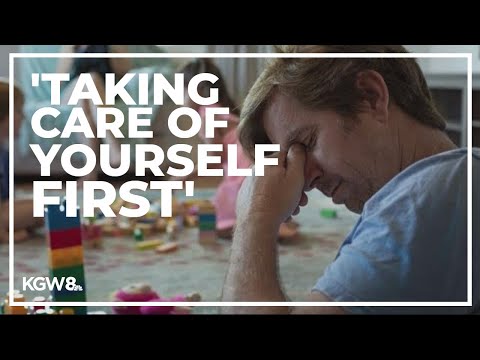
Hey there. So, let’s talk about something that doesn’t get enough attention: caregiver depression. You know, when you’re juggling your own feelings while trying to care for someone else? It’s a lot.
I mean, it can be really draining. You might feel isolated or overwhelmed—like no one really gets what you’re going through. And that can leave you feeling down in the dumps.
But here’s the thing: you’re definitely not alone in this. Seriously, tons of people are riding that same rollercoaster with you. What’s important is finding ways to cope and take care of yourself too.
So let’s dig into it! We’ll touch on what caregiver depression looks like and how to navigate those rough waters together. Sound good? Cool!
Recognizing Caregiver Burnout: Essential Signs to Watch For
Recognizing caregiver burnout is seriously important. You may love helping others, but the toll it takes on your mental health can be overwhelming. It’s like carrying a backpack loaded with bricks every day—eventually, you’re gonna feel that weight.
What is caregiver burnout? Well, it’s a state of physical, emotional, and mental exhaustion that caregivers experience. And it can sneak up on you. At first, you might think you’re just tired or busy. But over time, those feelings can morph into something way heavier.
Here are some essential signs to keep an eye on:
- Chronic Fatigue: You wake up feeling like you never slept. Getting through the day feels like climbing a mountain.
- Irritability: Little things start to bug you more than usual. Maybe your loved one’s favorite show grates on your nerves now.
- Withdrawing: You don’t want to hang out with friends or go to family gatherings anymore. Isolation becomes all too comfy.
- Lack of Motivation: Tasks that once excited you seem boring or pointless now. Even showering might feel like a chore.
- Physical Symptoms: Headaches or stomach issues? Those can pop up when you’re stressed out and overwhelmed.
Think about Julie, who cared for her aging father. She started feeling these signs creep in after months of managing appointments and medications for him alone. One day she realized she hadn’t laughed in weeks; it hit her hard that she was losing herself in the process.
Coping with these feelings? It’s crucial! First off, talk to someone—whether it’s a friend or a therapist who gets it. Don’t underestimate the power of sharing what you’re going through; it can lighten that heavy load.
Also, take breaks whenever possible—yeah, even if it’s just five minutes to breathe deeply or enjoy a cup of tea in silence! Self-care isn’t selfish; it’s necessary.
And hey, if you’ve noticed some of these signs in yourself or a fellow caregiver, don’t ignore them. Burnout isn’t just about feeling tired; it’s about recognizing that organizing your life around someone else can drain your spirit.
Basically, being aware of these signs is step one toward making sure you’re taking care of yourself too—not just the person you’re looking after!
Understanding Caregiver Syndrome: Signs, Symptoms, and Support Strategies
Caregiver syndrome is a really important topic, especially for those who are pouring so much energy into caring for others but often forget about their own needs. Let’s break it down.
What is Caregiver Syndrome?
Basically, caregiver syndrome is a state of physical, emotional, and mental exhaustion that can hit when you’re looking after someone who’s ill or has special needs. It’s like being on a treadmill that just won’t stop. You know how hard it can be to juggle your own life while being there for someone else?
Signs and Symptoms
Here are some signs to watch for:
- Emotional Exhaustion: You feel drained or empty. It’s not just tiredness; it’s a deep sense of fatigue.
- Anxiety: Worrying constantly about the future or the person you’re caring for? That’s common.
- Irritability: Little things start to annoy you more than they should.
- Social Withdrawal: You might notice yourself pulling away from friends or family. You’re too busy or just too tired to engage.
- Physical Symptoms: Headaches, stomachaches, and other health issues can creep in when you’re stressed out.
Picture this: Sarah used to love going out with friends every Friday night. But over time, she started canceling plans because she felt overwhelmed caring for her mom after her surgery. One day, she realized she hadn’t left the house in days—just her and a mountain of responsibilities.
Coping Strategies
It’s super important to find ways to cope with the weight of caregiver depression.
- Acknowledge Your Feelings: Don’t brush off what you’re feeling as “no big deal.” Recognize that your emotions matter!
- Set Boundaries: Learn how to say «no.» This can protect your personal time and energy.
- Create a Support System: Talk to friends or join support groups where you can share experiences with others in similar situations.
- Pursue Hobbies: Make time for activities that bring you joy—whether it’s reading, painting, or gardening.
And let’s not forget: even little breaks can help! Maybe it’s just stepping outside for some fresh air or setting aside 10 minutes a day to breathe.
Another way Sarah managed was by finding a local support group where she met others feeling like her. Just hearing “I get it” from someone else was like a lifeline thrown into turbulent waters.
Your Own Health Matters
Remember that taking care of yourself isn’t selfish; it’s essential! When you’re healthier emotionally and physically, you’ll be better equipped to care for others. Prioritize check-ups with doctors or mental health professionals if needed.
In short, caregiver syndrome is no joke, but recognizing the signs and being proactive about managing them makes all the difference. Find your balance—you deserve that peace too!
Being a caregiver can feel like this intense roller coaster ride. You’re juggling a million things at once, and while you’re busy helping others, your own emotional well-being can sometimes take the backseat. Caregiver depression is real, and it often sneaks up on you when you least expect it.
Imagine waking up every day feeling like the weight of the world is on your shoulders. You know you have someone depending on you—maybe it’s a parent, spouse, or a friend—who needs your support. But in all that hustle to keep everything together, it’s so easy to overlook how you’re feeling inside. There was this time when my friend Sarah was caring for her mom, who had just gone through some tough health issues. All she ever talked about was how to make her mom comfortable, and while that’s amazing, I couldn’t help but notice how drained she looked. She started canceling plans and pulling away from friends as if isolating herself was the only way to cope.
That kind of pressure can lead to some serious emotional struggles. It’s like being on high alert 24/7—you’re constantly watching for signs that something might go wrong while also trying to manage your own life (whatever that even means anymore). And then there’s guilt—that nagging feeling that somehow you’re not doing enough or that maybe taking some time for yourself makes you selfish. It’s not selfish though; it’s necessary!
We often forget that caregivers need care too. It’s a simple idea but so hard to put into practice because society doesn’t really talk about this stuff openly. You might feel like if you take a break, everything will fall apart, but let me tell you—the world won’t end if you step away for an hour or even just take five minutes for yourself.
Talking about feelings can sometimes feel like walking through fog—you can’t see clearly ahead and it feels uncomfortable. But reaching out to someone—a friend or even a therapist—can help lift at least some of those dark clouds hovering above your head.
Finding ways to cope with caregiver depression isn’t just about surviving; it’s about thriving too—or at least getting closer to finding balance again. Activities like going for walks or engaging in hobbies—remember those? They can give you just enough space before jumping back into caregiving mode.
In one way or another, we’ve all felt overwhelmed at some point in our lives. But with caregiver depression specifically, recognizing what you’re experiencing is huge—it opens doors for healing and self-care strategies you might not have considered before.
So if this resonates with you or someone close to you is in the trenches of caregiving right now? It’s totally okay to reach out and ask for support while remembering that taking care of yourself isn’t just important; it could very well be essential!