You ever feel like you’re just running on empty? Like, trying to be the rock for someone else but forgetting to take care of yourself? Yeah, I get it.
That’s what caregiver fatigue is all about. It sneaks up on you when you least expect it. One minute, you’re helping someone through a tough time, and the next, you’re feeling drained and overwhelmed.
It’s not just about being tired—it’s this heavy weight that settles in your chest. Seriously, it affects your mind and body in ways you might not even notice at first. So let’s chat about how to recognize this fatigue before it takes over. Sound good?
Assess Your Well-Being: Take the Caregiver Burnout Quiz Today
Caregiver burnout is a real thing, and it affects so many people. You might not even realize it’s happening to you until you’re so drained that you can barely function. You know what I mean? Caring for someone else can be exhausting, both physically and emotionally. It’s like being on a never-ending treadmill, where the pace just keeps getting faster.
So, let’s talk about how to recognize the signs of caregiver fatigue. Here are some key points to think about:
Now, think about your own situation. If you’re caring for a loved one—let’s say your mom with Alzheimer’s—it’s easy to lose yourself in that role. There was this one time when I was helping a friend who was caring for her dad after his stroke. She’d skip meals because she was too busy worrying about him, and soon enough, she wasn’t sleeping well either.
That’s where the burnout quiz comes into play! It can help you reflect on your well-being. Seriously, taking that quiz can shed light on how you’re really feeling inside.
When you go through the quiz questions, think honestly about your emotions and physical state. Some popular questions might ask how often you feel overwhelmed or if you’ve been sleeping poorly lately.
If your results indicate significant burnout, it might be time to consider some self-care strategies:
Recognizing caregiver fatigue is so important—not just for yourself but for the person you’re caring for as well. If you’re running on empty, it’s hard to give them the love and support they need.
In a nutshell, if caring feels too heavy right now—and believe me when I say it happens to the best of us—take a moment today to check in with yourself through that quiz. Being aware of where you’re at can lead to better days ahead!
Understanding the Stages of Caregiver Burnout: Recognize, Address, and Overcome
Caregiving can be one of the most rewarding yet challenging roles you might take on. But let’s face it, over time, it can lead to something pretty serious called burnout. Understanding the stages of caregiver burnout is crucial if you want to recognize, address, and ultimately overcome it.
So, what does caregiver burnout look like? It’s like this slow fade where your energy gets drained and your enthusiasm just kind of… disappears. You might start feeling overwhelmed or emotionally exhausted. For example, maybe you’ve been helping a loved one with mental health issues for a while now. At first, it felt fulfilling—like you were making a difference. But as days turn into months, that initial high can start to feel more like low energy.
The stages of caregiver burnout generally come in waves:
- Stage 1: The Honeymoon Phase – Everything feels good at first. You’re energized and ready to tackle any challenges that come your way.
- Stage 2: Stress – Little things begin to irritate you more than they used to. Maybe you find yourself losing patience over small tasks that didn’t bother you before.
- Stage 3: Burnout – This is when feeling overwhelmed becomes a constant state of being. Tasks seem insurmountable, and emotional exhaustion sets in.
- Stage 4: Habitual Burnout – At this point, burnout has become your norm. Your physical health may begin to suffer too—think sleepless nights or frequent headaches.
- Stage 5: Crisis Mode – Here’s where things get really tough. You might feel hopeless or helpless and could even experience a breakdown if nothing changes.
Recognizing these stages helps because it means you can take action before things spiral out of control.
Once you’ve spotted the signs of burnout in yourself or someone else, addressing them is critical. This isn’t just about taking a break (although that helps!). It’s about creating a sustainable plan for self-care:
- Set Boundaries: It’s okay to say no! Protecting your time and energy is essential.
- Seek Support: You don’t have to do this alone! Reach out to friends or family for emotional support—or consider joining a support group.
- Pursue Activities: Make room for hobbies or activities that make you happy—even if it’s just taking an hour for yourself here and there.
And hey, let’s talk about overcoming caregiver burnout too! It starts with awareness—kind of like putting on your oxygen mask before helping others with theirs on an airplane.
You also gotta prioritize self-care continuously; it’s not just a one-time deal! Also consider speaking with professionals if you’re feeling really lost—it could be helpful talking things through with someone who gets it.
Remember, taking care of yourself isn’t selfish; it’s necessary so you can continue being there for those who rely on you. So take it seriously; recognize how you’re feeling now because doing so puts you on the road to recovery from caregiver fatigue.
In short? Caregiving is tough but worth it when balanced well against caring for yourself too!
Understanding Spouse Caregiver Burnout: Signs, Strategies, and Support
Spouse caregiver burnout is a reality many people face but don’t always talk about. Caring for a partner who has mental health issues can be overwhelming. It’s like being on a never-ending rollercoaster—some days are fine, and others feel completely out of control. Recognizing the signs of burnout is super important because it can impact your well-being and your relationship.
So, what are the signs that you might be experiencing burnout? Here are a few to look out for:
Let me tell you, I’ve seen friends go through this. One buddy of mine was caring for his spouse who struggled with anxiety and depression. He loved her deeply but felt like he was losing himself in the process. It got to the point where he just didn’t want to come home because he felt like he was constantly «on duty.»
Now, how do you deal with this? There are definitely some strategies that can help:
And here’s the thing: don’t forget that sustained support, both emotional and practical, is crucial too. Join support groups (many are online!), where others share similar struggles. Hearing from people who get it makes such a difference.
When my buddy finally opened up about his experience, he found relief not only from venting but also through community resources designed specifically for caregivers in mental health contexts. It reminded him he wasn’t alone—and that lifted so much weight off his shoulders.
Remember, feeling burnt out doesn’t make you weak; it means you’re human! It’s totally okay to ask for help and take breaks whenever needed. Being there for someone else is important, but caring for yourself should always come first too!
You know, being a caregiver can feel like running a marathon with no finish line. Seriously. It’s so easy to pour your heart and soul into caring for someone else and forget to take care of yourself. I remember a friend, let’s call her Sarah. She’s been caring for her brother, who struggles with severe anxiety and depression. At first, she was super energized, ready to do anything to help him through tough times. But after months of sleepless nights and endless worry, she started feeling drained.
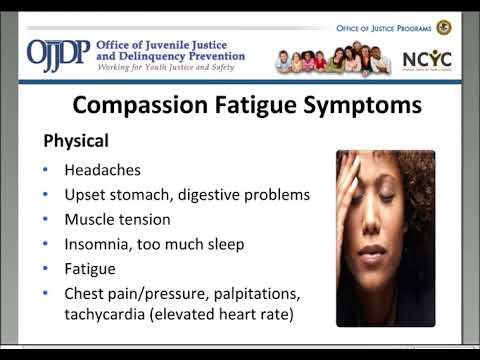
Caregiver fatigue is real—it creeps up on you slowly at first. You might notice you’re more irritable or just plain tired all the time. Maybe you find yourself snapping over little things or feeling guilty because you need a break but think you shouldn’t want one. That’s when it starts to hit hard; the stress can even lead to physical symptoms like headaches or stomach issues.
It’s tough because caregivers often put their loved ones’ needs first, thinking they have to be strong for them. But here’s the thing: if you’re not taking care of yourself, how can you take care of someone else? It’s like that airplane safety rule—put your oxygen mask on before helping others.
Recognizing caregiver fatigue is essential in mental health contexts. It’s OK to feel overwhelmed; it doesn’t mean you’re failing or weak. Reaching out for support isn’t just helpful—it’s necessary! Talking to friends, joining support groups, or just finding quiet time for yourself can make a world of difference.
So if you’re feeling those signs creeping in—maybe it feels like you’re stuck in an emotional fog—don’t brush them off! Acknowledging what you’re going through is the first step toward healing and regaining some balance in your life. Remember, even superheroes need a break sometimes!