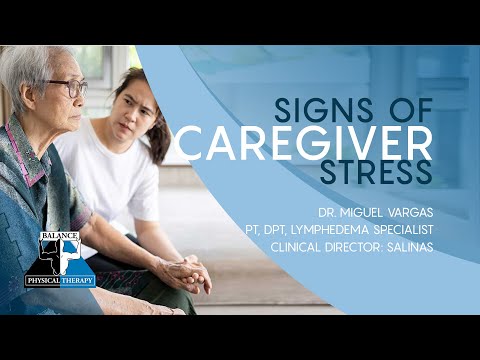
You know how sometimes you’re just running on empty? Yeah, that feeling. If you’re a caregiver, that might be your everyday vibe. Seriously, it can be overwhelming.
You’ve probably got a million things on your plate. Caring for someone is rewarding, but it can also drain your energy and spirit faster than you’d think.
And let’s face it: when was the last time you checked in on yourself? If you’ve been feeling more stressed, anxious, or just plain worn out, you’re not alone.
There are signs of caregiver stress that can sneak up on you. Some of them are pretty tricky to spot until they hit hard. So, let’s talk about what to look for and how it all ties into your mental well-being. It matters!
Assess Your Well-Being: Take Our Caregiver Burnout Quiz Today!
If you’re taking care of someone else, it’s easy to lose sight of yourself. Seriously, caregiver burnout is real. You might feel exhausted, overwhelmed, and maybe even a little resentful. It’s like you’re running on fumes and no one really sees how hard it is for you. That’s why assessing your well-being is crucial.
So, let’s chat about some common signs of caregiver stress.
- Emotional exhaustion: You might feel drained all the time, like you’ve got nothing left to give.
- Physical symptoms: Headaches, stomach issues, or a constant feeling of fatigue can creep in.
- Feeling isolated: You may notice that you’re pulling away from friends or family because you’re just too tired to socialize.
- Cynicism: Maybe you’ve started feeling indifferent about your loved one or even the care you provide.
- Difficulties sleeping: It might be tough to wind down at night or sleep through the night without waking up stressed.
Now, imagine this: You spent all day helping your loved one get through tasks that can seem simple but are monumental when you’re juggling everything else in your life. By the end of the day, you collapse on the couch but can’t stop thinking about what still needs to be done. That’s not just tiring; it’s soul-crushing.
Taking a caregiver burnout quiz can help put things into perspective. These quizzes often measure how stressed and overwhelmed you’re feeling and identify where improvements can be made. They’re not magic solutions but more like a wake-up call.
Sometimes it helps just to acknowledge where you’re at mentally and emotionally. It’s okay not to have superhuman strength! Think about who you lean on for support—if you’ve got someone in your corner who understands what you’re going through, that’s invaluable.
Keep an eye on those signs mentioned earlier—and don’t brush them aside! Recognizing these feelings means you can take steps toward taking care of yourself again because let’s face it: if you’re not okay, how can you help anyone else? Make sure to check in with yourself regularly.
In short: assessing your well-being is vital for both you and those depending on your care. So go ahead, take that quiz today! Your mental health matters as much as anyone else’s—remember that!
Recognizing Caregiver Stress: 3 Key Signs You Shouldn’t Ignore
Caring for someone you love can be deeply rewarding, but it can also take a toll on your mental health. You know, the pressures of juggling responsibilities can pile up. Recognizing caregiver stress is crucial for both your well-being and the person you’re caring for. Here are three key signs you really shouldn’t ignore.
- Emotional Exhaustion: This is a big one. If you find yourself feeling drained or completely overwhelmed, it’s a clear warning sign. Maybe you have trouble getting out of bed or feel like you’re just going through the motions every day. I once talked to a friend who cared for her elderly parent and confessed she felt like she was carrying the weight of the world on her shoulders. She started crying out of nowhere and realized she hadn’t allowed herself to feel anything good in months.
- Changes in Mood: If you’re snapping at people or finding yourself overly irritable, pay attention to that shift! Caregivers often experience anxiety and even depression when they’re stretched too thin. If small things suddenly feel monumental, it might be time to check in with yourself. One caregiver told me she’d lose patience with her kids over trivial stuff like toys scattered on the floor—stuff that didn’t use to bother her at all.
- Physical Symptoms: Don’t overlook your body! Stress can manifest in headaches, fatigue, or stomach issues—things we often brush aside as “just part of life.” I remember chatting with someone who had constant neck pain because of all the tension she was carrying from caregiving duties. She thought it was just aging until a doctor told her it was stress-related.
So, if any of this resonates with you or someone you know, don’t hesitate to reach out for help. Seeking support isn’t just okay; it’s vital! Caregiving is tough work, and acknowledging your own needs makes you better equipped to care for others too. You deserve some care as much as anyone else!
Understanding the Stages of Caregiver Burnout: Recognizing and Managing Stress for Better Mental Health
Caregiver burnout is something many people experience, yet it often goes unrecognized until it’s too late. If you’re caring for someone—maybe a parent, partner, or friend—you might feel overwhelmed by the responsibilities. Seriously, taking care of another person can take a toll on your mental health. Let’s break it down into stages to help you see what’s happening and how to manage it.
Stage 1: The Honeymoon Phase
At first, being a caregiver can feel rewarding. You might feel that sense of purpose and love when helping someone close to you. It’s exciting and fulfilling! But as time goes on, little signs may begin to creep up on you.
Stage 2: Onset of Stress
You start feeling more tired than usual and maybe even a bit irritable. Responsibilities pile up. You might notice your patience wearing thin or find yourself snapping at your loved one over small things. Stress starts to become part of your daily life.
Stage 3: Chronic Stress
This is where things get serious. You could be experiencing headaches or trouble sleeping regularly. Your mind races with worries about making mistakes or not doing enough. You might withdraw from friends or activities that once brought you joy. Sound familiar?
Stage 4: Burnout
Now we hit the wall! Burnout can feel like complete exhaustion—physically and emotionally—and leads to feelings of hopelessness or disconnection from the person you’re caring for. You may notice that even small tasks feel monumental, and you don’t find joy in what you once loved doing.
Stage 5: Seeking Help
Recognizing these stages is crucial because seeking help can turn things around. This could mean talking to friends or professional counselors about what you’re going through. It’s important not to wait until you’re at the very end of this journey before reaching out.
So, what can you do? Here are some ways to manage caregiver stress:
- Pace Yourself: Set realistic expectations about your caregiving duties.
- Taketime for Yourself: Even short breaks help recharge your batteries.
- Avoid Isolation: Keep those connections with friends and family strong; they can provide support when things get tough.
- Counseling: Professional support can give you tools to cope better with stress.
- Pursue Hobbies: Engage in activities that bring you happiness outside caregiving.
Taking care of yourself isn’t selfish; it’s necessary! When you’re mentally healthy, you’ll be in a better position to provide care for someone else effectively—it’s like putting on your own oxygen mask first in an airplane emergency!
Recognizing the warning signs of caregiver burnout can make all the difference. Remember, if you’ve been feeling overwhelmed, reach out for support as soon as possible—it could be just what you need to get back on track!
You know, being a caregiver can be really tough. You love the person you’re taking care of, but sometimes it feels like the weight of the world is on your shoulders. I’ve seen friends go through this. One of my buddies, let’s call him Mike, took care of his mom for years after she got sick. At first, he was all in—doing everything he could to help her feel better. But over time, I noticed he started changing.
Caregiver stress is sneaky, right? It can creep up on you when you least expect it. Mike would miss out on hangouts because he was too exhausted or just couldn’t find the energy anymore. He seemed more irritable and was forgetting stuff—like things we talked about or plans we made. Yeah, he wasn’t just physically drained; mentally? He was pretty worn out too.
It’s important to recognize those signs before they pile up like laundry you keep meaning to fold. If you’re constantly feeling overwhelmed or feeling guilty for wanting a break, that’s a big red flag waving at you! Ever catch yourself snapping at your loved one over something trivial? That frustration can seriously build up and affect your mental health in ways you might not even realize.
And let’s not forget about isolation! Caregivers often put their own social lives on hold to take care of someone else—which is super admirable but also kinda lonely. You start losing touch with friends or hobbies that once brought joy. And before long? You might find yourself feeling like an island, surrounded by all that caregiving responsibility but totally cut off from support.
Emotional exhaustion isn’t something to brush off either. It’s like being stuck in a fog where nothing really feels good anymore—not even the things you used to love doing. If you’re feeling hopeless or sad way more than usual, that’s definitely worth paying attention to.
So if you’re out there caring for someone and starting to feel those signs popping up? Don’t ignore them! Reach out to a friend or even look into local support groups; they can be a lifesaver—trust me on this one! You gotta take care of yourself so that you can keep being there for others without burning out completely. Seriously, it’s not just okay to ask for help—it’s necessary!