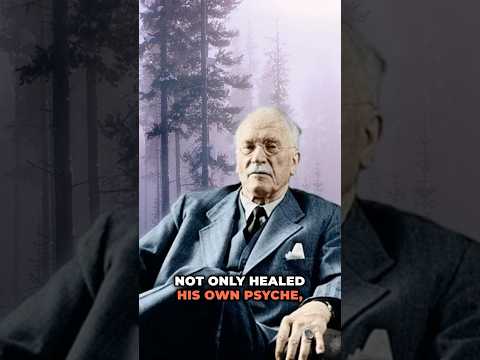
So, you know that weird feeling when life starts to feel… different? Like, you wake up one day, and suddenly, you’re questioning everything? Your job, your relationships, maybe even the meaning of life? Yup, that’s called a midlife crisis.
Carl Jung had some pretty interesting stuff to say about all that. He really dug deep into what it means to find yourself when you’re stuck in that messy middle ground. His ideas can be super helpful when you’re navigating this chaotic time.
It’s like he handed us a map for understanding our inner worlds. So buckle up! We’re about to take a closer look at Jung and how his thoughts can totally change the game during these funky life phases.
Understanding Carl Jung’s Perspective on Midlife Crisis: Insights for Personal Growth
Carl Jung had some pretty interesting ideas about the midlife crisis. You know, it’s that weird and often tough period when many people start to question their life choices. Jung believed this phase was crucial for personal growth. He saw it as a time to rediscover oneself, a way to reconnect with deeper aspects of the psyche.
In Jung’s view, the midlife crisis is linked to the concept of individuation. This process means integrating all parts of yourself—your conscious and unconscious minds, your persona and shadow, and even your personal experiences with collective ones. At midlife, when you begin reflecting on who you’ve become versus who you wanted to be, this journey can feel daunting yet transformative.
Jung thought that around age 35 to 40 or so, people often face an internal struggle. It’s not uncommon to feel discontent or unease during this time. Think about it—many folks start reassessing their careers, relationships, and life choices. You might feel like you’re at a crossroads—what if you haven’t achieved what you aspired to? This existential questioning isn’t just a symptom; it’s part of your growth.
He introduced the idea of the shadow, which represents those parts of ourselves we usually ignore or repress. During midlife, these shadow aspects can become more visible. They might bubble up in unexpected ways—like sudden anger or feelings of anxiety. Instead of pushing these emotions away, Jung encouraged us to embrace them, as they hold valuable insights into our true selves.
Also important is what Jung called archetypes. These are universal symbols found in our collective unconscious—in stories, myths, and dreams throughout cultures. During a midlife crisis, it’s common for certain archetypes like the Hero or Sage to emerge more prominently in our lives. They can guide you toward self-awareness and understanding your place in the world.
You might ask yourself: “What does all this mean for me?” Well, recognizing these patterns can be deeply healing! By confronting your shadow and embracing different archetypal energies within yourself during this stage—you could uncover new paths for growth that may have previously been hidden from view.
In practical terms:
- Reflection: Take time each day for journaling or meditation. Really think about what’s been bothering you.
- Seek Guidance: Maybe consider therapy; talking things through can bring clarity.
- Engage with Creativity: Try art or hobbies that allow you to express those shadow feelings.
- Explore Archetypes: Read myths or stories that resonate with your current experience—you’d be surprised how much they reflect personal journeys!
In essence, Jung saw the midlife crisis not just as a roadblock but also as a major opportunity—a chance for renewal! It’s like hitting a reset button on your life where transformation is possible if you’re willing to dive deep and confront what’s really going on inside. Embracing this perspective can lead you to greater fulfillment and self-acceptance as you navigate through life’s twists and turns.
Exploring Carl Jung’s Stages of Life: A Comprehensive PDF Guide to Personal Development and Psychology
Carl Jung’s perspective on life stages is pretty fascinating, to say the least. He believed that our lives unfold in various stages, each with its own psychological tasks and challenges. Understanding these can really help you navigate those tricky times in life, especially during a midlife crisis.
The Four Stages of Life are: childhood, youth, middle age, and old age. Jung thought each stage has unique goals and insights that shape who we are.
- Childhood: This is where you gather experiences and build your basic personality. It’s all about play, learning about the world, and figuring out who you are.
- Youth: During this stage, which usually spans from late teens to early adulthood, you’re exploring identity. You might be trying different roles—like student or employee—and asking big questions about values.
- Middle Age: This is often when people hit that infamous midlife crisis. You start to reflect on what you’ve done so far and what’s left to do. It’s a time for reevaluation and finding deeper meaning in life.
- Old Age: In this stage, it’s all about reflection and acceptance. You look back at your journey with a sense of understanding or even regret. The goal here is to find peace with your life story.
So why does this matter? Well, understanding these stages can give you clarity during tough transitions. For example, if you’re in your 40s feeling unfulfilled or questioning everything—classic midlife crisis vibes—you might just need to reevaluate what you’ve been doing versus what truly matters to you now.
It’s like when I met a friend named Sarah at a coffee shop who was having one of those moments. She worked hard for years building her career but felt an emptiness creeping in as she hit her 40s. Her soul-searching led her back to painting—a passion she had set aside long ago. Rediscovering that creative spark helped her find joy again.
Jung emphasized the importance of the unconscious mind, too! He believed that dreams and personal symbols could guide us through these transitions. Journaling or talking through your thoughts can help bring those unconscious feelings into awareness.
Engaging with yourself during these phases isn’t just helpful; it can be transformational! In fact:
- Self-reflection: Take time regularly to reflect on where you’ve been and where you’re headed.
- Acknowledge change: Accept that it’s okay not to have everything figured out.
- Pursue passions: Don’t hesitate to dive into hobbies or interests as they can reignite your sense of purpose.
Really understanding Jung’s thoughts on life stages isn’t just interesting theory; it’s like having a compass when you’re lost at sea during life’s turbulent times. You know? There’s something comforting in knowing that others have walked this path before you—all while trying to tackle their own inner demons along the way!
Exploring Carl Jung’s Philosophy: Why Life Truly Begins at 40
Carl Jung, the Swiss psychiatrist and psychoanalyst, had some pretty profound thoughts about midlife that still resonate today. He believed that life truly begins at 40 because that’s when we start to dive deeper into our psyche. You know how, when you hit a certain age, everything seems to shift? Jung thought it was all part of a natural psychological process.
So, what’s up with the idea of the midlife crisis? Well, Jung saw this phase as an opportunity for growth rather than just a time of chaos. Around 40, many people begin questioning their life choices and goals. This reflection isn’t just about a crisis—it’s more like a psychological journey. You start to realize what really matters to you and what’s been holding you back.
In Jung’s view, this midlife exploration can lead to something called the Self-actualization. It’s like peeling back layers of an onion. You get closer to the core of who you really are. And believe me, that can be both exciting and scary!
From his perspective, there are key components this journey typically involves:
- Confronting your shadow: This means acknowledging parts of yourself you might have ignored or rejected. It can be confronting but ultimately liberating.
- Individuation: This is the process of integrating different aspects of your personality. It’s about becoming whole.
- Embracing spirituality: Many people find themselves exploring deeper spiritual beliefs or practices during this time.
Think about it—maybe you’ve felt a pull toward hobbies or passions that you brushed off in your younger years. That can be part of this awakening! Like one friend told me she suddenly felt drawn to painting after years in corporate life. It was like she finally gave herself permission to explore her creative side.
Jung also emphasized the importance of symbolism and dreams. He believed our subconscious sends us messages through these channels during midlife transitions. Ever had a dream that felt so real? Maybe it’s trying to tell you something about where you’re heading next.
You see, not everyone experiences a full-blown crisis in their 40s—but many do feel unsettled and restless. What Jung encourages is not just running away from those feelings—instead, use them as tools for transformation and self-discovery.
Life at this stage isn’t meant to be static; it becomes rich with potential for renewal! So if you’re feeling off-kilter as you approach or hit 40—and hey, that’s totally normal—try framing it as an opportunity rather than a setback.
Getting comfortable with change can feel daunting but think about it: every shift brings new lessons. Life really doesn’t end at 40; it’s more like a new season beginning! By embracing this transitional phase with curiosity and openness, you might just discover parts of yourself you never knew were there.
So yeah, life’s twists and turns can lead us down some unexpected paths; Jung’s philosophy gives us tools to navigate them effectively. When we understand this critical period as a chance for growth rather than just turmoil, we might actually make peace with what comes next!
You know, when you think about midlife crisis, it’s kind of like one of those cliches we all hear about. But it’s real, and honestly, a lot of people deal with it in some way or another. Carl Jung really had a grasp on how this stage of life plays out psychologically. So, let’s unpack that a bit.
Jung viewed midlife as a critical time for personal transformation. He called it the «second half of life,» where we confront our true selves—you could say it’s like peeling an onion, layer after layer. One thing he emphasized was the importance of integrating different parts of ourselves, including things we might’ve ignored when we were younger—stuff like our shadow self, which is essentially those traits we don’t want to acknowledge.
I remember a friend sharing her experience during this phase. She used to be all about her career and pleasing everyone around her. But as she reached her forties, she hit this wall and started questioning everything. Who was she outside of work? What did she really want? It was tough for her; the discontent felt so heavy. What Jung pointed out is that these feelings aren’t just signs of failure or something to push away—they’re invitations to explore deeper parts of ourselves.
And that brings me to Jung’s idea of individuation; you know, the process where you become who you truly are? It often surfaces in midlife crisis moments because people start realizing they’ve been living according to others’ expectations instead of their own desires. Jung believed that if you don’t address these inner conflicts, they’ll just keep nagging at you like an annoying little mosquito.
Navigating this can feel messy and chaotic—like being lost in a forest without a map—but there’s beauty in that chaos too. By facing those anxieties head-on and digging deeper into their roots, many folks discover profound truths about themselves that change everything going forward.
So yeah, if you’re going through your own version of a midlife crisis or just feeling stuck at some point in life, remember: even though it feels daunting right now—like climbing up a steep hill—it can lead to incredible insights about who you are and what truly matters most to you. It’s all part of the journey!