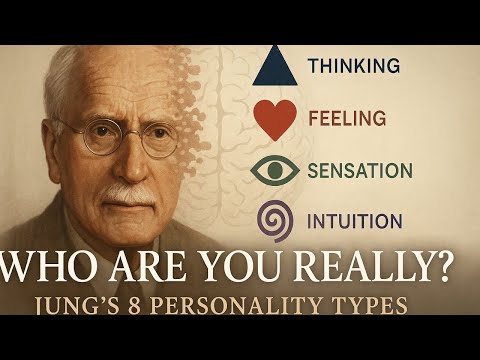
Okay, so let’s chat about Carl Jung for a sec. You know, the guy who really got into the whole personality types thing?
He had this wild idea that we all have different ways of seeing the world. It’s pretty cool when you think about it.
Like, imagine if knowing your personality type could help you understand why you do what you do? Sounds kinda magical, right?
Well, Jung’s ideas totally changed how we think about ourselves and each other. Seriously, they even shaped modern psychology in a huge way!
So, let’s dig into how Jung’s insights can totally influence your behavior and relationships. Trust me; this is gonna be interesting!
Exploring Jung’s Personality Type Theory: Understanding Your Inner Self
So, let’s talk about Carl Jung and his fascinating ideas around personality types. You might know him as one of the big names in psychology. He really dug into how our inner selves influence the way we act, think, and connect with others.
Jung’s personality type theory is all about understanding yourself better. He believed that everyone has their unique way of perceiving the world and making decisions. This isn’t just some random guesswork—Jung laid out a framework that helps categorize our personalities into different types. You could say it’s like a lens through which you can view your behavior.
Introversion vs. Extraversion is one of the key concepts here. Jung pointed out that some folks recharge by spending time alone (introverts) while others gain energy from social interactions (extraverts). Think back to a time when you felt overwhelmed at a party. If you’re an introvert, maybe you found yourself sneaking away for a quiet moment to recharge, right? On the flip side, an extravert might have been in their element, soaking up the energy from everyone around.
Then there’s Sensing vs. Intuition. This dimension describes how we gather information. Sensing types tend to be detail-oriented and focus on concrete facts—like someone who loves following recipes precisely when cooking. Meanwhile, intuitive types are more about the big picture and possibilities; they might whip up something creative without even looking at measurements!
Next up is Thinking vs. Feeling. This is all about decision-making styles. Thinkers often rely on logic and objectivity to make choices; they might analyze a situation like an engineer solving a complex problem. Feelers, on the other hand, prioritize emotions and values in their decisions; imagine someone choosing to volunteer for a cause close to their heart instead of taking a more profitable job.
And we can’t forget Judging vs. Perceiving. This dimension describes how we approach structure in our lives. Judgers prefer plans and organization—like having a detailed itinerary for a trip—while perceivers enjoy flexibility; they might choose to go with the flow instead of sticking to a strict schedule.
So why does this matter? Well, understanding these personality dimensions can help you navigate your relationships and your own behaviors better! For example, if you’re an introverted thinker married to an extraverted feeler, knowing these differences can ease communication problems that arise from misunderstandings.
To put it simply: Jung’s theory isn’t just about fitting people into boxes but more about recognizing different shades of human experience—that’s what makes it so interesting! It encourages self-reflection and insight into not only who you are but also how you relate to others in your life.
Embracing your personality type can also lead to personal growth. Like when Lisa realized she was more intuitive than her friends who were solidly sensing types; she started embracing her creativity rather than feeling pressured to stick strictly by “the rules.” It’s those little realizations that can lead us towards living our most authentic lives!
In short, Jung’s personality type theory gives us tools for understanding ourselves—and each other—on deeper levels that really make sense in daily life ad interactions!
Exploring Archetypes: The Hidden Forces Shaping Human Behavior
When you think about the patterns of how people act, it’s like looking at a map of human behavior. This is where archetypes come in. They’re these universal symbols and roles that shape our experiences and interactions. Carl Jung, a big name in psychology, was one of the first to really dig into this concept.
Jung believed that we all have these archetypes living inside us. They pop up in our dreams, art, myths—basically anywhere humans express themselves. So, let’s break this down a bit.
- The Hero: Think of your classic action movie protagonist—brave, determined, always up for a challenge. This archetype pushes us to overcome obstacles. You know that feeling when you’ve tackled something tough? That’s the hero in you.
- The Mother: This isn’t just about being a parent; it’s about nurturing, caring for others, and offering support. You might see this when someone goes out of their way to help a friend or volunteer at a shelter.
- The Trickster: This one loves to shake things up! The trickster challenges norms and can bring humor into tough situations. You ever have that friend who makes light of things even when they get serious? That’s them being the trickster.
- The Sage: The sage represents wisdom and insight. It’s like having that older relative who always gives the best advice based on life experience. You know those times when you just sit back and think, “Man, they really get it”? That’s the sage speaking.
Okay, so how do these archetypes actually shape our behaviors? Well, they influence our decisions and reactions without us even realizing it sometimes. For instance, if you find yourself always wanting to play the hero in every situation—like when your friend is feeling down—you might ignore your own needs just to help them out.
Imagine this: you’re sitting with a group of friends discussing plans for a weekend trip. One person jumps right in with ideas (the hero), another suggests making sure everyone has what they need (the mother), while someone cracks jokes about getting lost on purpose (the trickster). It creates a dynamic where everyone contributes differently based on their inner archetypes.
Now let’s talk personality types because Jung also connected archetypes with how we see ourselves and others. He developed several personality types based on these concepts—think introverts vs extroverts or thinkers vs feelers.
Understanding your own archetype can give you insight into why you react the way you do in life situations or relationships. It helps make sense of those moments when everything feels chaotic because it connects back to something deeper within us all.
So here is the thing: exploring archetypes isn’t just some abstract concept meant for academics; it’s like holding up a mirror to understand why we tick the way we do! By recognizing these hidden forces shaping behaviors, not only can you learn more about yourself but also deepen connections with others around you.
That exploration makes us all realize we’re part of something bigger—the collective stories of humanity narrating itself through these timeless roles we play every day!
Exploring Carl Jung’s Theory of Personality Archetypes: Understanding the Foundations of Human Behavior
So, let’s chat about Carl Jung and his theory of personality archetypes. He was this brilliant Swiss psychiatrist who believed our personalities are shaped by universal, mythic characters—the archetypes. It’s like we all have these characters living in our heads, influencing how we act and feel.
What are Archetypes?
Archetypes are basically these big ideas or images that come from our collective unconscious. They show up in myths, dreams, and stories across cultures. Jung thought that understanding these would help us understand ourselves better.
Think of them as the roles we play in life. Some common archetypes include the Hero, the Mother, the Wise Old Man, and the Trickster. Each one represents different facets of human experience that can guide our thoughts and behaviors.
Why Are They Important?
These archetypes help explain why people behave the way they do. You might find yourself resonating with certain ones at different times in your life. Maybe you’re feeling like a Hero when you tackle a tough challenge at work or embrace your inner Mother when nurturing a friend in need.
Here’s the thing: Jung believed that recognizing these archetypes within ourselves leads to personal growth and self-awareness.
- The Persona: This is the social mask you wear—how you present yourself to others. It’s not necessarily fake but definitely influenced by societal expectations.
- The Shadow: This part contains your repressed weaknesses and instincts—things you don’t want others to see. Acknowledging your Shadow can be pretty liberating.
- The Anima/Animus: These represent the feminine side of men (Anima) and the masculine side of women (Animus). Balancing these traits helps create harmony within yourself.
- The Self: This is your whole being—the integration of all parts of yourself into a complete identity.
Anecdote Time
Imagine Sarah—a friend of mine who had this constant need to please everyone around her. Her Persona was so strong that she often lost sight of her own desires and feelings. But after some therapy focused on Jung’s ideas, she began recognizing her Shadow, understanding how it influenced her actions. It wasn’t easy; facing those hidden aspects felt like opening Pandora’s box! Yet now she’s learning to embrace herself more fully.
Understanding these components can lead to deeper insights into why you might feel conflicted or stressed in certain situations.
The Takeaway
Jung’s theory isn’t just some abstract concept; it has real-world applications in therapy and self-help contexts today. By exploring personality archetypes, we can find meaning in our experiences and better navigate relationships with others—and ourselves.
So next time you’re feeling a little lost or confused about why you reacted a certain way, think about which archetype might be influencing you at that moment! Seriously, it could change everything.
You know, when you start digging into Carl Jung’s ideas about personality types, it’s like peeling back layers of an onion; there’s just so much depth to it. Jung was all about understanding people on a deeper level, and he really got into how our personalities shape our behavior and interactions.
So, the whole thing kicks off with his belief that there are these different personality types that can define how we see the world and relate to others. He talked about introverts and extroverts—like two different worlds colliding. I remember chatting with a friend who is a total extrovert; she lights up every room she walks into! On the other hand, I’ve got this buddy who’s more introverted, prefers chilling at home with a book rather than hitting up a party. It’s wild to see how those basic differences influence their decisions and feelings.
And then there’s the intuitive versus sensing aspect. I’ve noticed that folks who lean towards intuition often have big dreams and ideas floating around in their heads—like my sister who’s always coming up with these wild projects. Meanwhile, those who favor sensing are super practical and grounded. It’s like looking through different lenses at life!
Jung also introduced the idea of archetypes—these universal symbols within ourselves that show up in stories, myths… you name it. Ever notice how certain characters in movies feel oddly familiar? That connection isn’t accidental. We all have bits of those archetypes within us that guide our actions.
The real beauty of Jung’s work is how it invites you to think about yourself and others in richer ways. Understanding your personality type can lead to those “aha!” moments where everything clicks into place about why you react a certain way or why conflicts can arise in relationships.
It’s almost comforting to know that our quirks and behaviors aren’t random; they’re part of a larger tapestry woven from psychological patterns. For me personally? It’s helped me appreciate my friends’ differences instead of getting frustrated by them.
So next time you’re feeling stuck or confused by someone’s behavior—or even your own—consider diving into Jungian ideas. They might just shine a light on things, making the complex dance of human interaction a little clearer and more manageable!