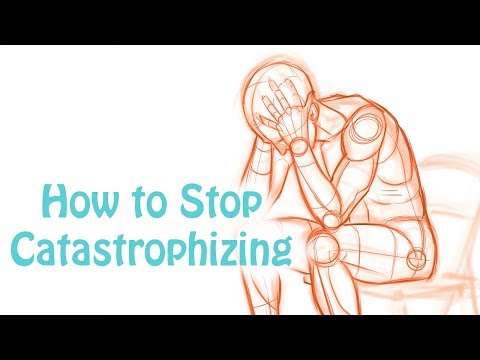
You know that feeling when your brain spirals out of control? Like, you’re just trying to chill, but suddenly you’re worried about everything? That’s catastrophizing.
It’s that sneaky little voice in your head that takes a small worry and blows it up into a full-blown disaster. I’ve been there too.
Picture this: you miss a call from your boss and immediately think you’re getting fired. Crazy, right? But it happens!
So let’s chat about these overwhelming worries. We’ll break down how to manage them without losing our minds. Sound good?
Overcoming Worry: Effective Strategies to Stop Catastrophizing and Find Peace of Mind
Catastrophizing is that sneaky little gremlin in our minds, you know? It whispers worst-case scenarios into your ear about everything from what you said at that meeting to the health of a loved one. You might find yourself spiraling, thinking, «What if I lose my job?» or «What if something happens to my kids?» and before you know it, you’re in a mental whirlwind. So, let’s chat about some ways to manage this overwhelming anxiety and find a bit of peace.
One effective strategy is recognizing your thought patterns. Start paying attention to when those catastrophic thoughts pop up. Are they linked to specific situations or feelings? For instance, maybe you notice they come out when you’re feeling stressed or tired. Just becoming aware can help you catch yourself before you dive too deep into that rabbit hole.
Another handy technique is challenging those thoughts. When your mind goes dark, ask yourself: “Is there real evidence for this?” or “What’s the worst that could actually happen?” Often, you’ll realize that the scenarios swirling around are unlikely or exaggerated. Let’s say you’re worried about failing an exam—think about how many times you’ve studied hard before and done fine.
Next up is practice mindfulness. Seriously. Learning to focus on the present helps ground you. Techniques like deep breathing or meditation can do wonders. I remember when a friend started meditating during stressful times; it felt like watching her take off a pair of heavy boots she didn’t even realize she was wearing! Suddenly, she could move through her day with more ease.
Finding a support system is also crucial. Talk to friends or family who can give perspective when your brain goes haywire. You don’t need someone to “fix” things for you; sometimes just sharing those worries makes them feel so much lighter. It’s kind of like carrying a backpack—sharing the weight with someone else makes it less burdensome.
Lastly, set limits on worry time. Sounds weird? Here’s how it works: dedicate a specific time in your day—maybe 15 minutes—to think about any worries you have. When that time’s up? Move on! Do something enjoyable instead. It’s like putting worry on a leash; you get control over it rather than letting it run wild.
So there you go! These strategies aren’t magic fixes but can definitely help curb that nasty habit of catastrophizing and lead to greater peace of mind over time. Remember, it takes practice and patience—be kind to yourself as you navigate these feelings!
Mastering the 3-3-3 Rule: A Simple Technique to Overcome Overthinking
So, overthinking can be a real pain, right? It’s like your mind is stuck on a loop, playing the same anxious thoughts again and again. You might find yourself worrying about stuff that hasn’t even happened yet—like your mind’s own horror movie. But hey, there’s this neat little trick called the 3-3-3 rule that can help you chill out and get back to reality. Seriously, it’s super simple.
What is the 3-3-3 Rule?
Okay, so here’s how it works. The rule asks you to look around and identify three things you can see, three things you can hear, and three parts of your body you can feel. This technique pulls you back into the present moment, which is where anxiety often has no power.
Let’s break it down:
- See: Look around wherever you are. Maybe it’s a clock ticking on the wall or a tree swaying outside your window. Just focus on those things.
- Hear: What sounds are happening right now? Could be birds chirping or a car passing by. Tune into those noises.
- Feel: Bring awareness to how your body feels. Are there any pressure points? Maybe the chair beneath you or the ground under your feet? Just noticing these sensations helps ground you.
A Quick Example:
Imagine you’re sitting in class or at work, and suddenly your thoughts spiral into a frenzy about an upcoming presentation. You’re convinced everyone will judge you harshly if it flops—classic catastrophizing! Stop for a sec. Take a breath and look around: “Okay, I see my laptop, my notes, and some plants.” Then listen: “I hear typing from my colleagues and the hum of the AC.” Finally, check in with yourself: “I feel the weight of my hands on the table; my feet resting flat on the floor.” Doing this for just a minute brings your focus back—it shifts you away from anxious thoughts.
Why It Works:
The magic here lies in interruption. Your brain has this tendency to spiral when things get overwhelming or stressful. By shifting your attention onto sensory details around you—three things at a time—you disrupt that anxiety loop. It’s almost like hitting pause on Netflix when that cliffhanger has got you all worked up!
But remember—this isn’t going to solve everything overnight; practice makes perfect! The more often you use this technique, the better you’ll become at calming that storm of worries in your head.
In summary, if overwhelming worries are ruining your peace of mind with their incessant chatter about worst-case scenarios—or what some folks call catastrophizing—the 3-3-3 rule is an effective way to break free from that mental jam. Give it a shot next time those spiraling thoughts hit; who knows—you might find yourself packing away anxiety one thought at a time!
Conquering Anxiety: Effective Strategies to Stop Worrying About the Uncontrollable
Anxiety can really feel like a heavy backpack that just keeps getting fuller. When you’re stuck in that loop of worrying about every possible “what if,” it’s exhausting. You know the feeling, right? Those moments when your brain goes down rabbit holes, thinking about the worst-case scenarios. That’s known as catastrophizing, and it can make anxiety spiral out of control. Let’s break down some ways to manage those overwhelming worries and take back a little control.
First, it’s really helpful to acknowledge your feelings. Seriously, don’t brush them off. When you feel anxious, pause for a moment and recognize what you’re experiencing. Instead of shutting those feelings away, say to yourself, «Yeah, I’m feeling anxious right now.» It might sound simple, but giving yourself permission to feel is actually a big step in managing anxiety.
Another powerful tool is grounding techniques. These are little tricks that help you stay connected to the present moment instead of spiraling into those “what if” thoughts. Try focusing on your senses:
- What do you see around you?
- What sounds can you hear?
- Can you name five things you can touch?
It pulls your attention back to reality and helps quiet down that storm in your head.
Then there’s the whole idea of challenging your thoughts. When you catch yourself thinking something catastrophic—like «If I mess this up, my life is over»—pause and ask yourself: “Is this thought true?” or “What evidence do I have?” Most of the time, you’ll find that these worries are exaggerated or far from reality.
Also consider deep breathing exercises. When anxiety hits hard, our body goes into fight-or-flight mode which makes everything worse. Just taking a few minutes to breathe deeply can really calm those racing thoughts. Inhale through your nose for four counts, hold for four counts, then exhale through your mouth for six counts. Do it a few times and notice how much lighter you feel.
Working on setting boundaries is important too. If certain situations or even people trigger your anxiety—like watching the news or being around overly negative friends—it might be time for some distance. Protecting your mental space isn’t selfish; it’s self-care.
And let’s not forget about staying active! Exercise releases those feel-good chemicals called endorphins which can significantly reduce anxiety levels. You don’t need to run marathons; even a walk around the block or dancing in your living room will work wonders.
Lastly, talking about what you’re feeling is huge! Open up to someone—a friend, family member or therapist who gets it. Just sharing what’s going on inside your head can make everything seem less daunting and more manageable.
All these strategies take practice though; it won’t change overnight but sticking with them pays off big time! Remember, conquering anxiety isn’t about having zero worries but learning how to cope when they come knocking at your door instead of letting them take over completely. So keep trying new things until something clicks for you!
Catastrophizing anxiety is like that annoying friend who always shows up uninvited and takes over the whole conversation. You know, the one who jumps to the worst-case scenario? Instead of just feeling a little worried about an upcoming exam, you find yourself convinced you’ll fail and ruin your entire future. It’s exhausting. Seriously.
I remember this one time before a big presentation at work. I pictured every possible disaster: tripping on stage, my voice cracking, or even worse—blanking on what I was supposed to say. The night before, I hardly slept, just spiraling into this black hole of worries. And when I finally stepped in front of that audience? It turned out fine! They were actually paying attention and nodding along as I spoke. Funny how that works out, huh?
So what’s the deal with catastrophizing anyway? It’s like our brains have this funky way of saying “Hey, let’s freak out over something that might not even happen.” You start with a tiny worry and then suddenly it feels huge—like there’s a giant elephant dancing around your mind. The problem is when these thoughts take over, they can really mess with your daily life.
But you can manage it! One way is to catch those thought patterns—like noticing when you’re spiraling into disaster mode. Ask yourself if there’s any real evidence supporting your fears. Is there a chance things could go wrong? Sure! But also remember that most times they don’t.
Another technique is grounding yourself in the present moment. Just focus on what’s happening right now rather than letting your mind run wild in the future. You could try deep breathing or even just reminding yourself of past successes to give you a dose of confidence.
Connecting with others can also help break that cycle of anxious thoughts. Talking about your worries with friends can lighten the load; after all, sharing can sometimes make those worries feel smaller and more manageable.
The journey isn’t always smooth sailing, but taking steps to curb catastrophizing can be really freeing. You’ll still have those moments where anxiety creeps in—that’s totally normal—but learning to challenge those grim thoughts makes handling them much easier over time. So yeah, next time you catch yourself thinking the worst, hit pause for a moment and check in with reality instead!