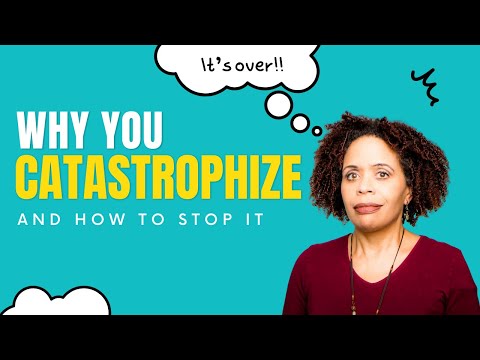
Ever found yourself spiraling into the worst-case scenario? You know, that moment when your brain decides to take a walk on the wild side? Seriously, it feels like one tiny worry evolves into full-blown chaos.
Catastrophizing is that sneaky little trick our minds play on us. It’s like turning a molehill into a mountain, and it can mess with your whole day, or even week!
You’re not alone in this. A lot of folks do it, sometimes without even realizing. But hey, there’s a way to challenge those thoughts and find some peace amidst the storm.
Let’s chat about how you can start flipping that script!
Overcoming Catastrophic Thinking: Effective Strategies to Shift Your Mindset
Dealing with catastrophic thinking can feel like being stuck in a loop of doom. Seriously, it’s that nagging voice in your head that jumps to the worst possible conclusion, often blowing things way out of proportion. Like when you send a text and don’t get an immediate reply; your brain goes from zero to “They must hate me” in seconds. It can be exhausting!
To tackle this slippery slope of thoughts, here are some strategies that can help redirect your mindset:
- Challenge Your Thoughts: Start by questioning those catastrophic thoughts. Ask yourself, “What evidence do I have that this will happen?” Often, you realize there’s little to back it up.
- Reframe the Situation: Try to see things from a different angle. Instead of thinking, “If I fail this test, my life is over,” consider, “If I don’t do well, I’ll learn more for next time.” It’s about shifting focus.
- Practice Mindfulness: Being present can ground you. Techniques like deep breathing or meditation help you notice when your mind is spiraling and bring you back to the here and now.
- Set Realistic Goals: Sometimes we freak out because our expectations are sky-high! Break tasks into smaller steps and celebrate those victories along the way.
- Limit Exposure to Stressors: If certain news or social media accounts fuel your anxiety, take a step back from them. Curating what you consume can lighten that emotional load.
- Talk About It: Sharing your worries with someone you trust can ease the burden. They might offer perspective or even just listen—it helps more than you’d think!
Let’s not forget: setbacks happen to everyone. Just recently, a friend of mine was convinced he’d mess up at work after making a small mistake during a presentation. He thought he’d be fired! But after talking it out and reframing it as an opportunity for growth, he felt so much lighter.
Remembering that catastrophic thinking isn’t reality is crucial. It may feel super real at the moment but recognize it’s just one interpretation of events—a pretty skewed one at that! Taking these steps doesn’t always flip the switch overnight; it takes practice and patience.
In short: nurture self-compassion while challenging those extremes in thought; give yourself grace as you work through this process. Shifting how you think isn’t easy but totally doable!
Mastering the 3-3-3 Rule: A Simple Technique to Overcome Overthinking
Overthinking can be a real roadblock, you know? We’ve all been there—stuck in our heads, worrying about stuff that hasn’t even happened. That’s where the 3-3-3 Rule comes in. It’s a simple technique to help kick those overthinking patterns to the curb.
So, what’s this rule all about? Well, it’s pretty easy to remember. Here’s how it works:
Now, let me share a quick story that really emphasizes how this works. A friend of mine used to get super anxious before job interviews. She’d think of every worst-case scenario—like tripping on stage or forgetting her name! But one day, she decided to give the 3-3-3 Rule a shot before heading out. She looked at her coffee mug and noticed three cute designs on it, then heard her cat purring nearby and finally stretched out her arms just because. With those little actions, she felt lighter walking into that interview.
The beauty of this technique isn’t just about naming things; it’s like giving yourself a mental reset button when those catastrophizing thoughts start creeping in. You might be thinking: “But is naming three things really gonna change my life?” Well, it might not solve everything right away but trust me—it helps break that cycle of anxiety by pulling you back into reality.
So next time you’re caught up in that whirlwind of thoughts about what could go wrong, try using the 3-3-3 Rule. It sounds so simple but sometimes simplicity is exactly what we need when our minds get too noisy. You’ll find yourself more centered and maybe even able to tackle challenges head-on instead of spiraling down into worry-town!
Understanding Catastrophizing: Is It a Mental Health Concern or Just a Cognitive Habit?
Catastrophizing is one of those things that can really mess with your head, you know? Like, imagine you’re on your way to a big presentation at work. As you’re getting ready, your mind starts spiraling out of control. You think, «What if I trip on stage? What if nobody likes my ideas? What if I get fired?» This way of thinking is a classic example of catastrophizing.
So, what is it exactly? Well, catastrophizing isn’t just about thinking something bad might happen. It’s more like leaping from a small concern to this massive disaster in no time flat. Instead of seeing a situation as it really is, you blow it out of proportion. It’s like looking through a funhouse mirror—everything seems distorted and exaggerated.
Now, the thing to realize here is that this isn’t just some quirky mental habit. For some people, catastrophizing can be tied to mental health issues. If you find yourself constantly spinning scenarios in your head where everything goes wrong—especially when faced with stress—it could be linked to anxiety disorders or depression. That kind of relentless negative thinking can really wear you down over time.
But does it mean you’re dealing with a mental health problem? Not necessarily! Sometimes it’s simply a cognitive habit we pick up along the way. Maybe you’ve learned to view the world through that «what’s the worst that could happen?» lens due to past experiences or even just how you’ve been conditioned by friends and family. It’s frustrating but totally normal.
Something important to remember: while it might seem innocent enough at first, catastrophizing can lead you down a dark path. It affects your mood and can make you feel paralyzed by fear or anxiety. And when you’re stuck in that loop of worry, trying to move forward with life becomes tough.
So how do you tackle this little gremlin in your brain? Challenge those thoughts! When you notice yourself sliding into catastrophic thinking, pause for a sec. Ask yourself questions like: “What’s truly likely to happen?” or “How many times has this actually happened before?” This can help pull you back into reality.
Additionally, talking things out can be super helpful too. Whether it’s with friends or professionals, sharing what’s on your mind helps clarify those worries and sometimes makes them seem way less scary.
At the end of the day, understanding catastrophizing means recognizing when to take those crazy thoughts seriously and when they’re just over-the-top reactions based on fear rather than fact. Being aware of how these thoughts sneak into our lives is a solid step toward managing them better—and finding some peace along the way!
So, let’s talk about catastrophizing. You know, that lovely little habit where your brain takes a tiny problem and blows it up into a full-blown disaster? Yeah, I’ve been there. It’s like when you get a paper cut and suddenly you’re convinced you’ll need to take an extended leave from work due to severe bleeding. Not a fun mental place to be in, right?
One time, I was having coffee with a friend who had just bombed a job interview. We sat there, and she went on about how she’d never find another job and would basically end up living in her parents’ basement forever—her words, not mine! I mean, maybe it felt like the end of the world at that moment, but really? That kind of thinking can spiral out of control so fast.
Catastrophizing is common in mental health struggles. It often happens when we’re anxious or overwhelmed. Your mind jumps straight to the worst-case scenario, and everything feels hopeless. It’s like being on a rollercoaster that only goes downhill—yikes!
But here’s the thing: we can challenge these thoughts. First off, recognize when you’re doing it—like catching yourself mid-sneeze before it ends up all over your favorite shirt. Ask yourself: Is this thought accurate? What evidence do I have that supports or contradicts this idea? Just because your mind threw you into panic mode doesn’t mean you have to ride that wave.
You can try breaking things down into smaller pieces instead of looking at the whole catastrophe picture. So if you’re worried about failing an exam and flunking out of school…hold up! Maybe focus on just studying for that one test first instead of imagining your entire future crumbling.
Connecting with someone can also help—a friend or therapist who can offer another perspective might save the day sometimes. They might remind you about other times when things turned out okay even when you thought they wouldn’t.
In short, challenging catastrophizing doesn’t mean ignoring reality; it’s more about finding a balance between feeling what you’re feeling and letting those feelings spin completely out of control. Your thoughts might be trying to protect you from pain but sometimes they just add to it instead.
So next time you’re spiraling down that catastrophic rabbit hole, take a beat and breathe. You’ve got more power over your thoughts than they want you to believe!