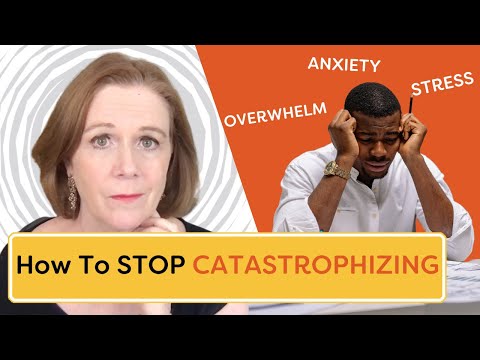
So, you know that feeling when your mind takes a tiny issue and, like, blows it way out of proportion? Yeah, that’s catastrophizing. It’s like your brain is throwing a drama party and inviting every worst-case scenario.
Honestly, we all have those moments. One minute you’re chilling at home, and the next, you’re convinced your friend is mad at you forever just because they didn’t text back right away. Seriously! It can be exhausting.
But here’s the thing: there are ways to tackle this habit head-on. You don’t have to let it run the show. In this chat, we’ll explore some strategies to help ease that anxious mind and get you back to a calmer place. Sounds good? Let’s jump in!
Effective Strategies to Overcome Catastrophizing: The Best Treatments Explained
Catastrophizing can be a real bugger. It’s that tendency to jump to the worst possible conclusion about things, like, “If I don’t nail this job interview, I’ll never work again!” Sounds familiar? You’re not alone. This way of thinking can lead to some serious anxiety and stress. But here’s the good news: there are effective strategies to help you overcome it.
Cognitive Behavioral Therapy (CBT) is one of the top choices for tackling catastrophizing. This approach basically helps you challenge those negative thoughts and replace them with more realistic ones. So instead of thinking “I’m going to fail,” you might start thinking, “I may not get the job, but I can learn from the experience.” It’s all about shifting that mental focus.
Another great strategy is mindfulness meditation. Practicing mindfulness lets you notice your thoughts without judgment. You learn to sit with uncomfortable feelings instead of spiraling into panic. For example, imagine you’re in a stressful situation at work; mindfulness teaches you to recognize your thoughts without getting caught up in them. It’s kind of like watching clouds float by instead of trying to chase them.
You might also want to give exposure therapy a shot. This technique involves gradually confronting what scares you in real-life situations. Maybe you’re afraid of public speaking—start by talking in front of a mirror, then step it up with friends before tackling larger groups. It’s like training yourself every time you face those fears.
Using journaling can also be super helpful for managing your thoughts. Write down those catastrophic thoughts when they pop up and then challenge them on paper. Ask yourself questions like: “What evidence do I have that this is true?” or “What’s the worst that could realistically happen?” Sometimes seeing those worries laid out can really put things into perspective.
And let’s not forget about social support. Chatting with friends or family when you’re feeling overwhelmed can lighten your load significantly. Just talking it through often helps put things into a different light; they can help remind you how far off base your fears might really be.
Lastly, consider incorporating some healthy coping mechanisms, such as exercise or creative activities like drawing or playing music. These outlets can reduce stress and give your mind something positive to focus on, breaking the cycle of negativity.
So there you have it! With these strategies—CBT, mindfulness, exposure therapy, journaling, social support, and healthy coping mechanisms—you’ve got some solid tools at your disposal for tackling catastrophizing head-on! Seriously—you’ve got this!
Medications for Catastrophizing: Effective Treatments for Managing Anxiety and Stress
Catastrophizing is a real struggle for a lot of people. It’s when your mind jumps to the worst possible outcome in any situation. You know, like thinking that if you mess up an interview, you’ll end up homeless. That thought process can ramp up anxiety and stress. So let’s talk about some medications that can help manage these intense feelings.
Antidepressants are often used for anxiety disorders and they can really help with catastrophizing thoughts too. Selective serotonin reuptake inhibitors (SSRIs) like fluoxetine or sertraline can ease those overwhelming feelings. These meds take a bit of time to kick in, usually a few weeks, but many people find relief after they settle into their system.
Another class of medications is benzodiazepines. These are more fast-acting and can be helpful in acute situations where you’re feeling super anxious, like before that big presentation. However, they’re not meant for long-term use because they can be addictive. You want to be careful here.
Then we have beta-blockers. They’re a bit less common but worth mentioning. They don’t affect your mood directly but can help with physical symptoms of anxiety—like that racing heart when you’re worried about something spiraling out of control. People might use them before public speaking or similar situations.
Of course, medication isn’t the only option to manage catastrophizing—therapy plays a huge role too. Cognitive-behavioral therapy (CBT), for example, works on challenging those negative thought patterns and reframing them into something more realistic. Some folks find combining therapy with medication really effective.
Still, it’s super important to talk to your doctor about what’s right for you! Everyone’s body reacts differently so what works for one person might not work for another—seriously! Don’t just jump into anything without chatting with someone who knows their stuff.
In the end, managing catastrophizing is often about finding that sweet spot between therapy and medication while also building up your own custom toolkit of coping strategies. It’s all about living a healthier life where anxiety doesn’t run the show! So keep searching until you find what clicks for you—you deserve to feel good!
Effective Strategies to Support Clients Overcoming Catastrophizing in Therapy
When you’re working with someone who tends to catastrophize, it’s like watching a movie where everything that can go wrong, does go wrong. They’ll take one small issue and blow it up in their mind until it feels like the end of the world. This can make therapy quite a challenge! But don’t worry; there are effective strategies to help clients flip that script and start seeing things in a more balanced way.
1. Normalize Their Feelings
First off, just let them know they’re not alone. Many people get caught in the cycle of catastrophic thinking, and acknowledging this can be really comforting. Say something like, «Hey, we all have those moments when our minds run wild.» It makes them feel understood and less isolated in their experience.
2. Reality-Checking
This is all about grounding them in reality. When they start rattling off worst-case scenarios, you can gently guide them to ask questions like:
- “What evidence do I have that this will actually happen?”
- “Has anything like this happened before? How did it turn out?”
- “What would I tell a friend who was thinking this way?”
These questions help clients step back from their spirals and see things more clearly.
3. Cognitive Restructuring
This one’s big! Help your clients identify negative thought patterns and replace them with more balanced thoughts. If they say something like, “If I fail this test, my life is ruined,” they could shift to, “If I don’t do well, I can still learn from it and try again.” This reframing takes practice but is super valuable in breaking the cycle of catastrophizing.
4. Mindfulness Techniques
Encourage mindfulness practices! Mindfulness helps bring attention back to the present moment rather than drifting into future fears. Breathing exercises or simple meditation can do wonders for calming an overactive mind.
5. Problem-Solving Skills
Sometimes clients get stuck in catastrophic thinking because they feel powerless about a situation. Teach them effective problem-solving skills so they can tackle issues head-on rather than spiraling into «what-ifs». This could be breaking problems down into smaller steps or brainstorming solutions together.
6. Gratitude Journaling
Sounds corny but trust me; it works! Encourage your clients to keep a gratitude journal where they jot down at least three good things that happened each day. Shifting focus from what’s going wrong to what’s going right helps balance their perspective over time.
7. Set Realistic Goals
Help them set attainable goals instead of overwhelming ones that lead to panic attacks down the line! Like breaking larger tasks into smaller bites or setting time limits on how long they’ll focus on these tasks during the week.
It’s all about helping your clients recognize their patterns of thinking and then giving them tools to change those cycles around—so instead of “Oh no! Everything will go wrong!” It becomes “Okay, there’s a challenge here; let’s tackle it.” Remember, progress takes time! So staying supportive while encouraging small changes makes all the difference as they navigate through these tricky thoughts together with you by their side.
Catastrophizing can really mess with your head. You know that feeling when your mind spirals into the worst-case scenarios? It’s like you put the worst possible spin on everything. Last month, my buddy Nick was worried about a job interview. He kept thinking, “What if I mess up? What if they laugh at me?” But it wasn’t just that; he turned every little detail into this massive disaster. The way he described it, you’d think the end of the world was coming.
So how do you tackle that? One thing that comes to mind is cognitive-behavioral therapy, or CBT for short. Basically, it’s all about challenging those negative thoughts and reframing them. Instead of letting your mind take control and run wild with dread, you start questioning those thoughts like a detective on a case. “Is this thought really true?” or “What’s the evidence?” Like Nick could’ve asked himself if anyone had ever actually laughed at him during an interview—spoiler: no one had!
Another strategy could be mindfulness. It’s kind of like pressing pause on all those racing thoughts and just breathing for a moment. When you focus on your breath or what’s happening right now, it can really help ground you in reality. I remember when I tried this during a particularly anxious week; just taking five minutes to breathe made a huge difference. Instead of panicking about deadlines and what-ifs, I felt calmer and more present.
And then there are some practical things too—like journaling or talking it out with someone. Sometimes writing down what you’re worried about can help to see how exaggerated those fears are when they’re in black and white. Or even just chatting about it with friends or family can provide perspective.
But here’s the thing: sometimes we need a combination of strategies because everyone’s different. Some folks might find success relying heavily on therapy techniques, while others might need more immediate solutions in their toolkit.
In any case, recognizing when you’re spiraling into catastrophizing is half the battle won! Just knowing that you can step back and reassess is powerful. And yeah, it’s totally okay to not have everything figured out immediately; it’s all part of the journey toward feeling better!